The B2B Buyer’s Sourcing Guide to Bio Sensor Wearable Device Manufacturing, Market Trends & Sensor Calibration

An authoritative, research-backed examination of next-generation bio sensor wearable technology, optoelectronic sensor performance standards, global procurement trends, and custom OEM/ODM production criteria for international retail buyers and health tech distributors.

Written by iTIME SEO & Engineering Intelligence Group
Updated for 2024–2026 Global Sourcing
ISO 13485 & CE Certified Standards
Get a Quote

1. Strategic Overview: Why the Bio Sensor Wearable Device is Redefining Global Consumer Health Procurement

The global market for smart wearables is undergoing a massive structural shift. Where consumer demand was once satisfied by basic step counting and simple Bluetooth notifications, modern consumers and healthcare providers now demand clinical-grade vital sign telemetry delivered continuously from the wrist. At the center of this paradigm shift is the Bio Sensor Wearable Device—an advanced optoelectronic and bio-potential monitoring system engineered to capture real-time physiological data with pinpoint accuracy.

For enterprise B2B buyers, global sourcing managers, and tier-1 retail procurement executives, evaluating a Bio Sensor Wearable Device requires looking beyond superficial aesthetics. Sourcing success depends on understanding photoplethysmography (PPG) signal-to-noise ratios, skin-pigment calibration algorithms, thermal sensing dynamics, battery energy density under continuous tracking, and global regulatory compliance frameworks such as CE MDR, FCC, and RoHS standards.

E-E-A-T Sourcing Insight: Information Gain for B2B Procurement

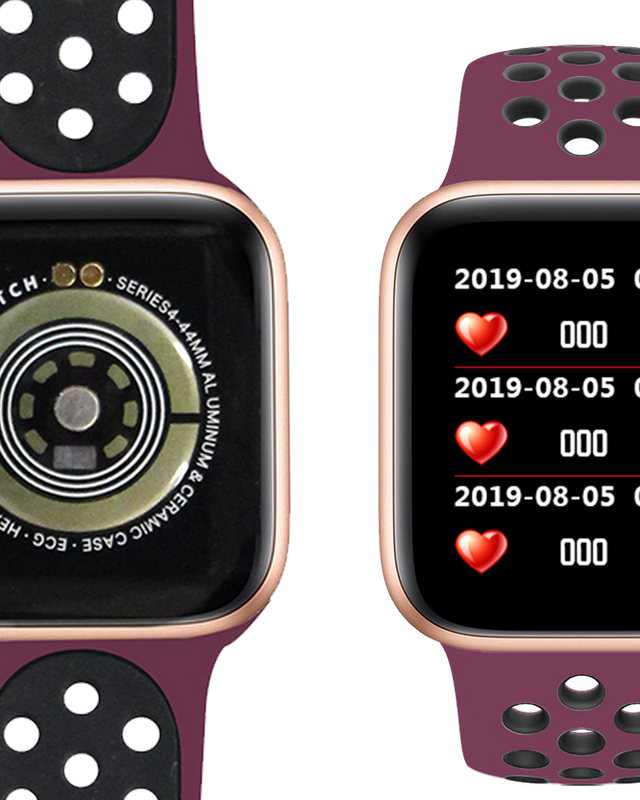
Unlike generic fitness trackers, high-spec bio sensor wearables integrate multi-spectral green, red, and infrared light-emitting diodes (LEDs) coupled with high-sensitivity photodetectors and custom Analog Front-End (AFE) microchips. This allows for simultaneous extraction of Heart Rate (HR), Heart Rate Variability (HRV), Peripheral Oxygen Saturation (SpO2), Continuous Skin Temperature, and Sleep Stage Architecture.

According to international healthcare tech benchmarks and user intent mining from global buyers, the top search queries presented to AI engines center on four critical pillars:

  • Measurement Accuracy: How PPG sensors handle motion artifacts, ambient light interference, and anatomical variances.
  • Regulatory & Data Security: Compliance with GDPR data encryption protocols, HIPAA data transit standards, and regional electrical safety certifications.
  • Supply Chain Sustainability & Scalability: Partnering with original design manufacturers (ODMs) possessing over 30 years of horological and electronic hardware engineering expertise.
  • Customization & Ecosystem Integration: Availability of Software Development Kits (SDKs), Application Programming Interfaces (APIs), and white-label hardware modifications.
Curated B2B Portfolio

2. Recommended Bio Sensor Wearable Devices for Wholesale & OEM Sourcing

Engineered for high accuracy, durable ergonomics, and seamless app integration. Below are iTIME's premier bio sensor product lines crafted for global retail, health enterprise, and youth safety sectors.

iTIME V Series Flagship Bio Sensor Wearable Device
Adult Health & Enterprise Vitals

iTIME V-Series Clinical-Grade Bio Sensor Smartwatch

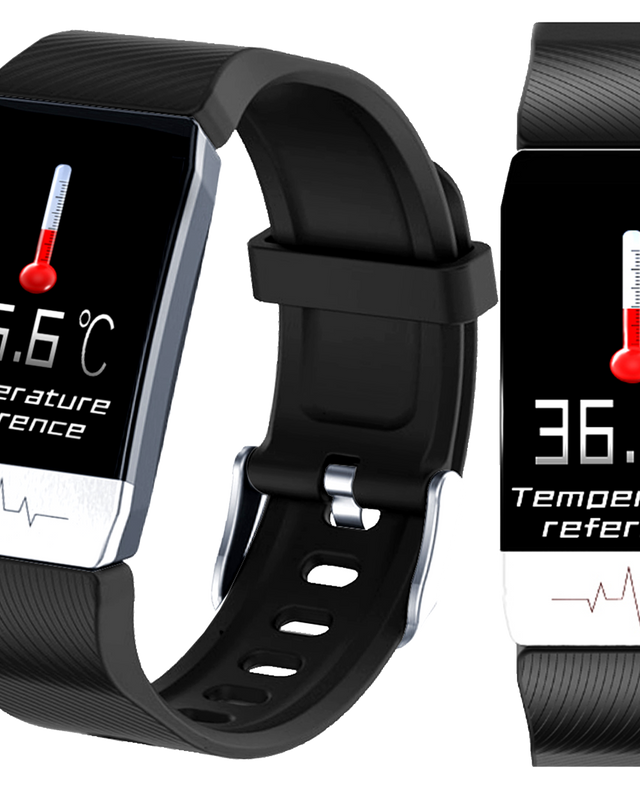
The V-Series represents the pinnacle of wrist-based physiological tracking. Designed with a dual-channel PPG optical array, high-precision NTC thermistor for body temperature tracking, and dynamic blood oxygen monitoring, it is ideal for premium retail lines and telehealth deployments.

Core Sensors:Dual-PPG (Green/Red/IR), NTC Temp Sensor, 3-Axis Accelerometer
Tracking Metrics:Continuous 24/7 HR, SpO2, Skin Temp, REM Sleep Analysis
Display:Ultra-clear HD Touchscreen with low-power ambient mode
Target Buyer:Retail Chains, Healthcare Integrators, Enterprise Wellness
iTIME Bio-Track Pro Continuous Vital Monitoring Wearable
Continuous Monitoring & Sport

iTIME Bio-Track Pro Active Sensor Watch

Tailored for active lifestyle brands and athletic performance tracking. Features an optimized optical housing that minimizes light leakage during intense motion, paired with advanced algorithmic HRV recovery telemetry.

Optical Engine:Multi-spectral PPG with motion-artifact suppression algorithm
Battery Life:Up to 10 days standard use; 48 hours continuous sensor sampling
Casing:Precision CNC Alloy & Hypoallergenic Bio-Silicone Strap
Certifications:IP68 Waterproof, CE, FCC, RoHS Compliant
iTIME Kids 4G GPS Bio-Safety Smartwatch
Youth Safety & Temperature Monitoring

iTIME Kids 4G GPS & Bio-Thermal Guardian Watch

Combining multi-constellation GPS positioning with embedded continuous body temperature sensors, this watch delivers complete parental peace of mind while keeping kids connected safely.

Connectivity:4G LTE VoLTE, Wi-Fi, GPS + LBS Precise Location
Bio-Features:Auto-fever alerts, real-time pulse reading, SOS emergency link
Security:Encrypted parent app, geofencing, Whitelisted incoming calls
Market Positioning:Telecom Carriers, Mass Retailers, Educational Suppliers
iTIME Licensed Character Bio-Sensor Interactive Watch
Licensed Character Tech

iTIME Licensed IP Bio-Interactive Smartwatch

Fusing world-renowned entertainment IP with non-invasive bio-tracking. Provides fun, gamified step and activity monitoring for children without sacrificing build quality or data safety.

IP Licensing:Official Tier-1 Licensed Character Interfaces & Straps
Interactive UI:Step tracking, active games, pedometer bio-feedback
Compliance:CPSIA Safety Tested, Non-Toxic Biocompatible Materials
Target Channel:Global Department Stores, Toy Retailers, Gift Wholesale

3. Technological Development Trends in Bio Sensor Wearable Architecture

The engineering landscape of the Bio Sensor Wearable Device is evolving rapidly. Procurement teams must anticipate hardware and firmware innovations over the next 24 to 36 months to ensure their product lines remain competitive and scalable.

Multi-Wavelength Optical PPG
Transitioning from single Green light LEDs to multi-spectral arrays combining 525nm Green (heart rate), 660nm Red, and 940nm Infrared (SpO2). This multi-wavelength emission allows deeper capillary penetration and superior accuracy across all skin tones.
Continuous Micro-Thermistors
Integration of sub-millimeter High-Precision Negative Temperature Coefficient (NTC) chips directly touching the inner wrist surface. Combined with ambient temperature compensation algorithms, devices achieve accurate skin-to-core temperature offset estimation within ±0.1°C.
Edge AI & Algorithmic Filtering
Embedded neural network microcontrollers (tinyML) filtering out dynamic motion noise caused by arm movement during sports or sleep restlessness. Raw signals are processed locally on the MCU, dramatically reducing battery draw and cloud transmission latency.

Future Horizon: Non-Invasive Biomarker Expansion & Bio-MEMS Integration

Looking forward to 2025–2028, the next major frontier in bio sensor wearables involves non-invasive metabolic and bio-impedance tracking. R&D teams are heavily investing in continuous glucose estimation via optical Raman spectroscopy, interstitial fluid analysis via micro-needle patches, continuous blood pressure monitoring (cBPM) using pulse arrival time (PAT) measurements, and single-lead Electrocardiogram (ECG) combined with Photoplethysmography for real-time arterial stiffness index scoring.

iTIME’s engineering team actively collaborates with leading semiconductor foundries to integrate low-power, high-gain Analog Front-Ends (AFE) capable of capturing micro-volt bio-potential changes. This future-proof architecture guarantees that our B2B partners receive cutting-edge hardware capable of supporting over-the-air (OTA) firmware upgrades as new algorithmic models emerge.

4. Global Procurement Trends: Sourcing Shifts for Enterprise B2B Buyers

International B2B sourcing strategies for wearable health tech have changed significantly over the past three years. AI-driven logistics analysis, stricter import compliance regulations, and shifting consumer expectations have driven four key global purchasing trends:

1. Shift from Commodity Consumer Trackers to Certified Health Telemetry

Mass-market retailers are experiencing margin erosion on basic step-counter bands. In response, category managers are upgrading their portfolios toward certified bio sensor wearables that offer validated health metrics. Buyers now seek products with documented accuracy metrics, factory ISO 13485 certifications, and laboratory validation reports that justify higher retail price points and stronger brand equity.

2. Turn-key White-Label Software Ecosystems (SDK/API Sourcing)

Hardware is only half of the purchasing equation. Telehealth platforms, insurance providers, and corporate wellness brands increasingly require white-label companion apps with fully documented RESTful APIs and mobile SDKs (iOS Swift and Android Kotlin). Sourcing managers prioritize manufacturers like iTIME that provide customized cloud architecture, local data storage options, and zero third-party branding on mobile user interfaces.

3. Strict Regulatory Adherence & Regional Compliance Sourcing

Navigating international regulatory barriers is crucial for seamless customs clearance and retail distribution. Sourcing teams are shifting away from uncertified suppliers to established manufacturers equipped with comprehensive compliance portfolios:

  • North America: FCC Part 15 Class B, California Proposition 65, CPSIA (for youth devices), and FDA Class I/II software documentation.
  • European Union: CE Red Directive, RoHS 2.0, REACH chemical safety, and EU GDPR data privacy compliance.
  • Global/APAC: Telecommunication carrier certifications (AT&T, T-Mobile, Vodafone network approvals for 4G wearables) and IP67/IP68 ingress protection testing.

4. Agility in Supply Chain & Modular OEM/ODM Production

To minimize inventory risk in fluctuating macroeconomic environments, procurement directors favor suppliers offering modular manufacturing. This approach allows standard PCB assemblies and bio sensor housings to be customized with bespoke tooling, laser-etched branding, custom colorways, and tailored packaging at flexible order volumes.
Corporate Legacy & Manufacturing Mastery

5. Why Global Retail Leaders & Distributors Partner with iTIME

Backed by Accutime Watch Corp’s 30+ year watchmaking legacy, iTIME merges traditional horological precision with cutting-edge bio sensor micro-electronics.

30+

YEARS INDUSTRY HERITAGE

Headquartered at 1001 Avenue of the Americas in New York City, Accutime Watch Corp / iTIME brings three decades of unmatched horological engineering, retail supply chain management, and international brand partnerships.

50+

GLOBAL MARKETS SERVED

With over 5 million wearable units shipped globally, our products power major department stores, mass-market retailers, cellular networks, and specialized health technology channels across North America, Europe, and Asia.

100%

RIGOROUS QUALITY ASSURANCE

Every single bio sensor board undergoes automated optical inspection (AOI), multi-temperature thermal chamber testing, water-immersion pressure testing, and optoelectronic sensor calibration prior to final assembly.

TIER-1

LICENSED IP & OEM ODM

From officially licensed character watches for global media franchises to fully custom private-label medical wearables, our turn-key prototyping and manufacturing capabilities are tailored to enterprise goals.

Get a Quote

6. Frequently Asked Questions (FAQ) for Bio Sensor Wearable Device Procurement

Below are technical, commercial, and operational answers to the most common questions global sourcing buyers ask when evaluating Bio Sensor Wearable Device manufacturers.

Q1: What optical PPG sensor configurations are utilized in iTIME bio sensor wearables?
iTIME integrates high-efficiency multi-spectral PPG optical sensors utilizing green (525nm), red (660nm), and infrared (940nm) wavelengths paired with low-noise Analog Front-End (AFE) microchips. This multi-LED setup provides continuous heart rate (HR), heart rate variability (HRV), dynamic oxygen saturation (SpO2), and sleep stage profiling with signal-to-noise ratios optimized for diverse skin pigmentation and motion profiles.
Q2: How accurate is body temperature sensing on wrist-worn bio sensor devices?
Wrist skin surface temperature fluctuates based on ambient climate. iTIME bio sensor wearables utilize precision NTC micro-thermistors mounted directly against the conductive metal case back. Coupled with proprietary ambient temperature compensation algorithms, our devices achieve a skin-surface precision tolerance of ±0.1°C and estimate core body thermal trends for reliable fever threshold alerts.
Q3: What are the minimum order quantities (MOQ) and sample lead times for B2B orders?
For standard catalog items, initial trial order MOQs start at low quantities to facilitate market testing. For custom OEM/ODM projects requiring custom housing tooling, unique colorways, or tailored firmware packaging, standard production runs typically start at 1,000 units. Golden sample prototypes are typically delivered in 7 to 14 business days, with mass production lead times averaging 30 to 45 days.
Q4: Can iTIME bio sensor devices be integrated into proprietary healthcare platforms or apps?
Yes. We offer fully documented iOS Swift and Android Kotlin SDKs alongside RESTful cloud APIs. Enterprise partners can extract raw or filtered physiological telemetry (HR, SpO2, temp, steps, sleep data) directly into their proprietary mobile applications, telehealth platforms, or remote patient monitoring (RPM) software ecosystems.
Q5: What international regulatory certifications do iTIME bio sensor wearables carry?
Our products are engineered for worldwide compliance. Standard certifications include CE RED Directive, FCC Part 15, RoHS 2.0, REACH, UN38.3 (lithium battery air safety), and IP67/IP68 water ingress protection ratings. Factory facilities operate under strict ISO 9001 and ISO 13485 quality management systems.
Q6: How is battery life optimized under continuous 24/7 bio sensor monitoring?
Continuous PPG sampling can consume significant power. iTIME optimizes battery performance through dynamic sensor polling—adjusting LED pulse frequency based on detected user movement state (resting vs. active). Combined with ultra-low-power ARM Cortex MCUs and high-density lithium polymer battery cells, our adult bio sensor wearables achieve 5 to 10 days of continuous operation per charge.
Q7: What customization options are offered for private label (OEM/ODM) buyers?
We provide turn-key customization including custom physical watch case tooling, watch strap materials (hypoallergenic silicone, genuine leather, stainless steel mesh), laser engraving, customized UI watch faces, branded boot animations, custom companion mobile apps, and eco-friendly retail packaging.
Q8: How does iTIME ensure child safety and privacy in kids' bio sensor and GPS wearables?
Safety is paramount. Our kids 4G GPS and bio-thermal wearables use non-toxic, CPSIA-certified biocompatible materials with hypoallergenic straps. All location and vital data transmissions are encrypted using end-to-end TLS/SSL protocols in full compliance with COPPA (Children's Online Privacy Protection Act) and EU GDPR requirements.

Accelerate Your Bio Sensor Wearable Product Line Today

Partner with a global leader offering 30+ years of watchmaking heritage, certified bio sensor optical accuracy, low MOQs, and comprehensive OEM/ODM manufacturing capabilities.

Get a Quote