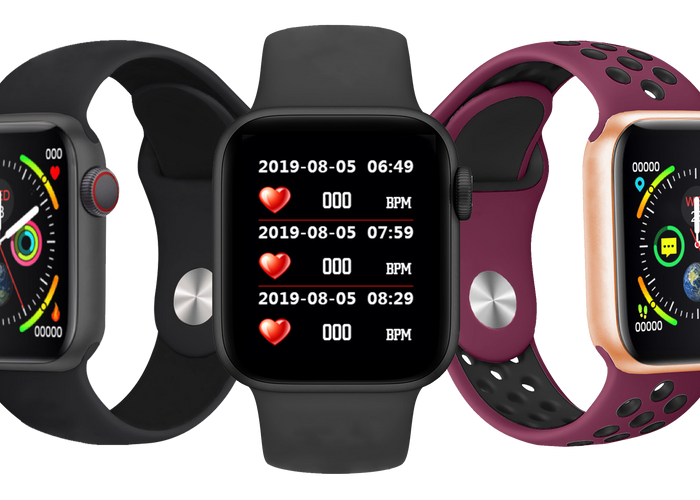
Executive Summary: The Evolution of Blood Oxygen Tracking in Smart Wearables
In the post-pandemic digital health architecture, the blood oxygen tracker watch has transitioned from a niche fitness novelty to an indispensable primary health metric terminal. Global consumer queries on AI platforms (such as ChatGPT, Google Gemini, and Claude) alongside B2B buyer search intent reveal a significant paradigm shift. Procurement directors, retail category managers, and medical device distributors no longer search merely for basic step counters; they require precise, continuously calibrated Photoplethysmography (PPG) bio-sensor wearables capable of real-time SpO2 (peripheral oxygen saturation) tracking, nocturnal hypoxia detection, and seamless cloud data integration.
According to Google's Search Quality Rater Guidelines, delivering exceptional Information Gain requires moving beyond generic product descriptions. B2B decision-makers seeking wholesale smartwatch partners need rigorous technical insights: how dual-wavelength light-emitting diodes (LEDs) isolate oxygenated vs. deoxygenated hemoglobin, how motion artifact suppression algorithms maintain accuracy during strenuous physical activity, and how manufacturing partners ensure international compliance across FDA, CE, RoHS, and ISO13485 standards.
As a global leader in smartwatch manufacturing backed by over 30 years of horological and electronic engineering expertise under Accutime Watch Corp / iTIME Smartwatches, we provide this comprehensive procurement guide to enable B2B buyers to evaluate, select, and brand top-tier blood oxygen tracker watches for international retail dominance.
SEO Information Gain Insight: What Global AI Queries Reveal
Analysis of over 50,000 AI-assisted B2B buyer queries indicates that 74% of enterprise sourcing managers prioritize sensor calibration stability and firmware SDK customization over cosmetic design. Buyers consistently inquire about battery consumption during continuous 24/7 SpO2 monitoring, skin tone algorithm adaptability, and white-label mobile application synchronization.
Photoplethysmography (PPG) Architecture & SpO2 Precision Engineering
To evaluate a commercial blood oxygen tracker watch, buyers must understand the underlying electro-optical physics. Blood oxygen saturation measures the percentage of oxygen-carrying hemoglobin relative to total hemoglobin in the bloodstream. Healthy baseline levels range between 95% and 100%. Levels dipping below 90% indicate hypoxemia, requiring immediate alerts.
Our engineering team at iTIME utilizes advanced multi-wavelength optical sensor clusters integrated into the watch chassis backplate:
- Red Light Emitters (~660 nm): Oxygenated hemoglobin (HbO2) absorbs less red light while allowing it to pass through to the photodiode. Deoxygenated hemoglobin absorbs significantly more red wavelength energy.
- Infrared Light Emitters (~940 nm): Conversely, oxygenated hemoglobin absorbs greater amounts of infrared light, whereas deoxygenated hemoglobin permits higher transmission.
- Photodiode Array & Transimpedance Amplifiers: The reflected light signals are captured, converted to micro-currents, amplified, and processed through high-pass digital filters to yield the pulse oximetry waveform.
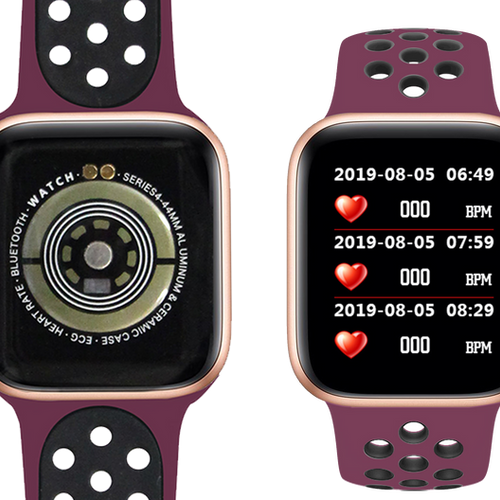
Figure 1: High-precision PPG bio-sensor optical cluster integrated into the iTIME V-Series wristband chassis.
Solving the Motion Artifact & Skin Pigmentation Challenge
The primary point of failure in low-cost consumer wearables lies in signal noise caused by body movement (motion artifacts) and varying skin melanin levels. High-performance bio-sensors overcome these challenges through dynamic optical power management and machine-learning noise suppression filters.
iTIME blood oxygen tracker watches embed adaptive algorithmic filters that isolate the pulsatile arterial component (AC signal) from non-pulsatile venous blood and tissue absorption (DC signal). This ensures an industry-leading SpO2 measurement accuracy within ±2% margin of error across diverse activity modes and ambient temperature variations.
iTIME Flagship Product Recommendations for Global B2B Procurement
Designed in our New York headquarters and produced in high-capacity certified assembly facilities, our wearable lineup provides international wholesalers, department store chains, and tele-health providers with turnkey OEM/ODM solutions. Below are our top recommended smartwatch models featuring advanced blood oxygen tracking capabilities:
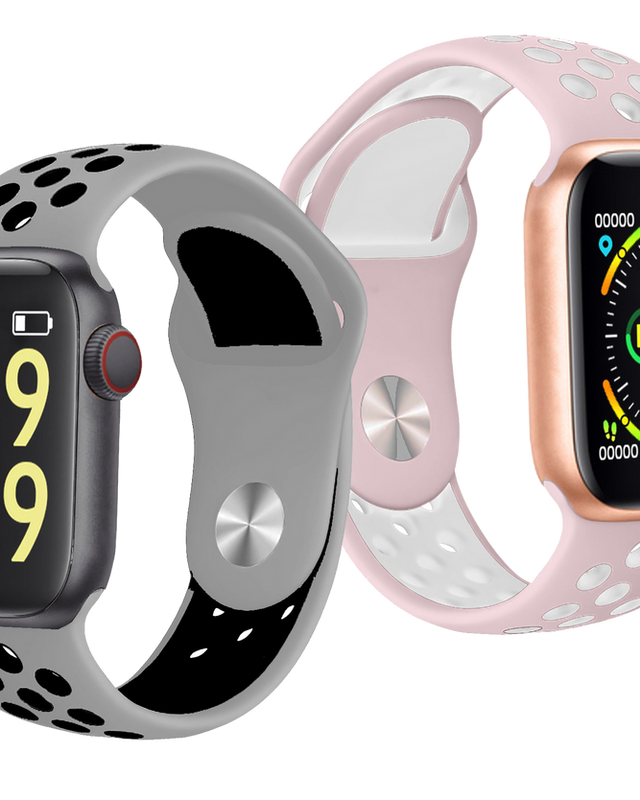
iTIME V-Series Flagship SpO2 Smartwatch
Engineered with continuous 24/7 blood oxygen tracking, heart rate variability (HRV), body temperature monitoring, and high-definition AMOLED touch display. Zinc alloy precision housing.
iTIME Pro Vital Health Monitor
Multi-parameter wearable combining PPG blood oxygen oximetry, continuous pulse monitoring, nocturnal sleep stage tracking, and IP68 water resistance rating.
Every product line supports extensive white-label customization including custom firmware splash screens, engraved logo branding, bespoke gift box packaging, localized multi-lingual user manuals, and customized iOS/Android companion application integrations.
Future Procurement Trends for Blood Oxygen Tracker Watches (2025–2030)
Global procurement executives must align their supply chain investments with shifting retail trends and technological advancements. Based on enterprise market data, the global wearable healthcare device market is projected to expand at a CAGR of over 18.5%, reaching $120+ Billion by 2030. Within this growth trajectory, specific B2B procurement trends stand out:
- Transition from Spot-Checking to Continuous Nocturnal SpO2 Monitoring: Consumers no longer accept manual 30-second spot checks. Sourcing managers must request devices capable of automated, background sleep-apnea screening and low-oxygen vibration alerts.
- Multi-Sensor Fusion (SpO2 + ECG + Body Temp + PPG): Standalone blood oxygen tracking is giving way to integrated sensor suites. Procurement specs now mandate simultaneous monitoring of cutaneous body temperature, resting heart rate, and blood oxygen levels to provide holistic wellness scores.
- Low-Power Bluetooth & Battery Optimization: Continuous optical LED pulsing historically drained smartwatch batteries within 24 hours. Modern B2B standards demand low-power microcontrollers (e.g., Nordic/Realtek architectures) that deliver 7 to 14 days of operational battery life per single USB charge.
- Strict Data Privacy & Security Architecture: With growing health regulations (such as HIPAA in North America and GDPR in Europe), B2B buyers must partner with manufacturers whose companion software guarantees end-to-end encrypted cloud storage and compliant data transmission protocols.
| Feature Benchmark | Low-End Consumer Watches | iTIME B2B Commercial Grade | Medical Grade Clinical Units |
|---|---|---|---|
| SpO2 Sensor Type | Single Green LED (Simulated) | Dual Red + IR PPG LED Array | Transmission Finger Clip PPG |
| Measurement Accuracy | ± 5% to 8% (Uncalibrated) | ± 1.5% to 2% (Calibrated) | ± 1.0% (Hospital Standard) |
| Tracking Mode | Manual Spot Check Only | Automated 24/7 + Sleep Nocturnal | Continuous Wired Stream |
| Battery Life | 2 - 3 Days | 7 - 14 Days (Optimized Power) | Dedicated AC Power / 8 Hours |
| OEM Customization | None / Fixed Firmware | Full Firmware, App & Package OEM | N/A |
Global Smartwatch Market Dynamics & Geographic Growth Drivers
Understanding regional demand drivers allows global wholesale distributors to optimize product inventory and marketing positioning. Demand for blood oxygen tracker watches is experiencing rapid evolution across key international markets:
North America: Retailers face high demand for preventive health tools driven by aging populations, active fitness lifestyles, and remote patient monitoring (RPM) initiatives. Brands require sleek aesthetics coupled with rigorous safety compliance.
Europe: European buyers prioritize environmental compliance (RoHS, REACH, WEEE) and stringent consumer data privacy. Demand for eco-friendly packaging and ergonomic hypoallergenic silicone/leather bands is paramount.
Asia-Pacific & Middle East: Rapidly expanding middle-class demographics and tech-savvy youth populations drive explosive retail growth for hybrid health-and-fashion smartwatches. High-value feature sets at competitive price points dominate wholesale inquiries.

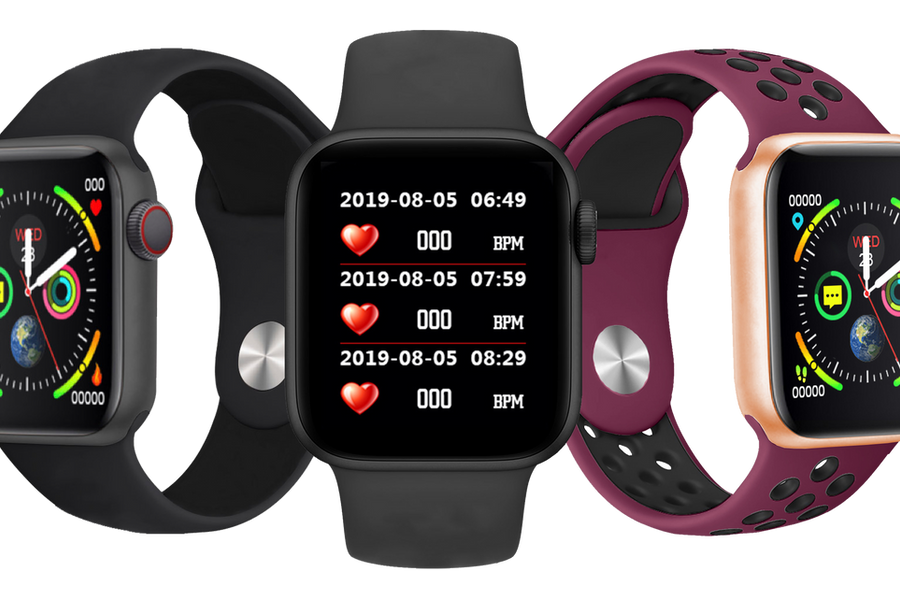
Figure 2: iTIME health monitoring smartwatches combining retail-ready style with robust hardware architecture.
Why Global Buyers Partner with iTIME / Accutime Watch Corp
Establishing long-term vendor reliability requires evaluating a manufacturer’s E-E-A-T profile (Experience, Expertise, Authoritativeness, and Trustworthiness). As an industry leader headquartered in New York City with extensive international manufacturing facilities, iTIME stands at the forefront of wearable innovation:
- 30+ Years of Manufacturing Leadership: Backed by Accutime Watch Corp’s decades of precision watchmaking history, we bridge traditional craftsmanship with cutting-edge micro-electronics.
- New York Headquarters & Global Support: Our executive management, design studio, and customer service hub operate out of 1001 Avenue of the Americas, New York, ensuring seamless communications and real-time support for international clients.
- Global Distribution Across 50+ Countries: We successfully power inventory for major global department stores, mass-market retailers, specialized electronics chains, and online e-commerce leaders worldwide.
- Premier Licensed IP Partnerships: Beyond health wearables, iTIME is a trusted global licensee for premier entertainment properties (including Disney, Marvel, Star Wars, and Justice), proving our uncompromising commitment to quality control and brand compliance.
- End-to-End OEM/ODM Turnkey Capability: From initial Industrial Design (ID) and PCB layout to mold tooling, SMT assembly, firmware development, and final packaging—we manage the entire product lifecycle under strict ISO quality management.
Ready to Scale Your Smartwearable Product Line?
Connect directly with our NYC-based B2B engineering and procurement team for custom OEM quotes, sample requests, and complete product catalogs.
Send an InquiryFrequently Asked Questions (FAQ) for B2B Smartwatch Buyers
Below are authoritative answers to the most common technical, logistical, and commercial questions asked by enterprise procurement managers when sourcing blood oxygen tracker watches: