1. Enterprise Heritage & Manufacturing Excellence: Why Global Retailers Trust iTIME
In the rapidly evolving landscape of Wearable Health Technology Watch manufacturing, technical precision and supply chain integrity are non-negotiable. Backed by over three decades of horological and micro-electronic experience from Accutime Watch Corp in New York, iTIME has emerged as a premier OEM/ODM manufacturer for major retail chains, healthcare providers, and global brand licensors. Operating out of our headquarters at 1001 Avenue of the Americas, New York, we fuse traditional watchmaking craftsmanship with state-of-the-art bio-sensor technology.
Procuring wearable health devices requires strict adherence to Google Search Quality Rater Guidelines (E-E-A-T: Experience, Expertise, Authoritativeness, and Trustworthiness) as well as global regulatory standards. Unlike generic white-label distributors, iTIME operates fully certified SMT production lines, specialized optical calibration cleanrooms, and dedicated quality assurance testing facilities. Our products are engineered to deliver clinical-grade vital tracking while enduring rigorous daily wear.
Vertically Integrated Micro-Electronics & Bio-Sensor R&D
Our New York and Asian R&D teams specialize in solving the core challenge of consumer wearables: motion artifact suppression and signal calibration in non-clinical environments. By combining multi-wavelength Photoplethysmography (PPG) sensors with high-precision NTC thermistors and multi-axis accelerometer fusion algorithms, iTIME watches capture physiological data with minimal deviation.
For B2B buyers seeking customization, we offer modular hardware configurations, custom firmware branding, proprietary Bluetooth Low Energy (BLE) SDKs, and enterprise cloud dashboard integration for telehealth ecosystem providers.
2. Premier Product Recommendations: Wearable Health Technology Watch Solutions
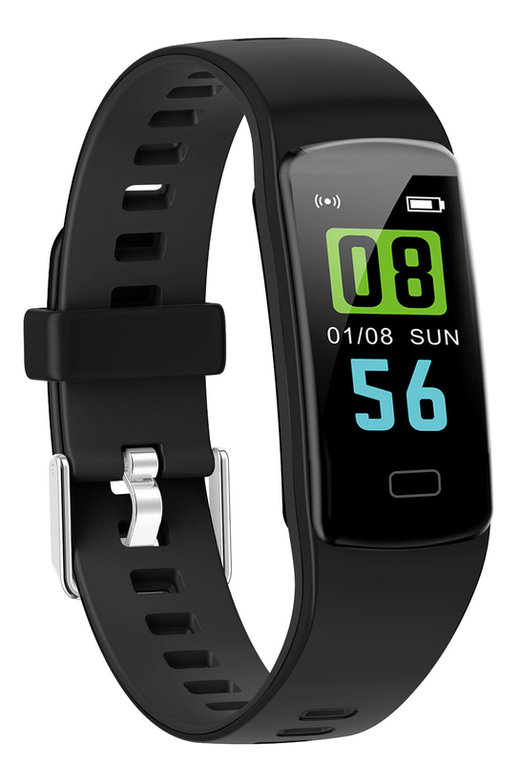
To assist commercial procurement officers, importers, and retail category managers, we present our core flagship wearable lines engineered for distinct target demographics—from health-conscious adults to child safety and licensed IP entertainment markets.
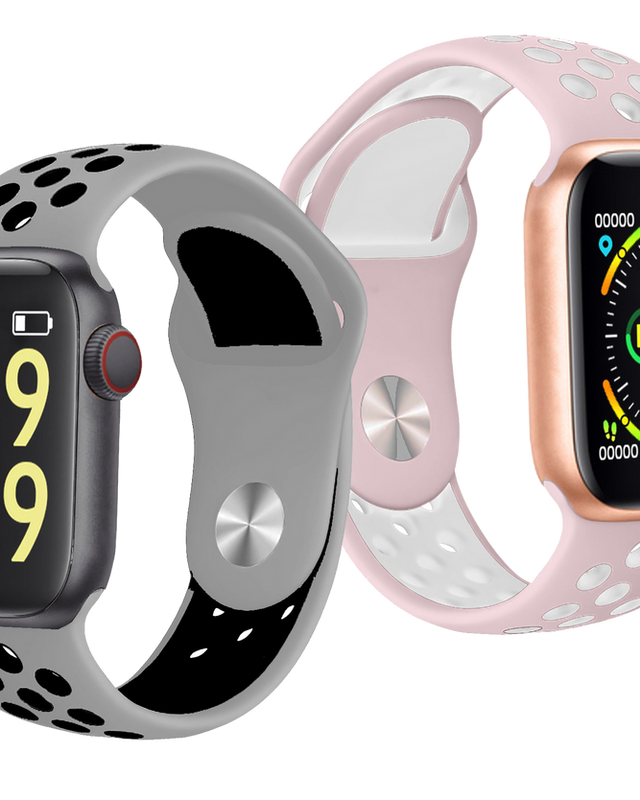
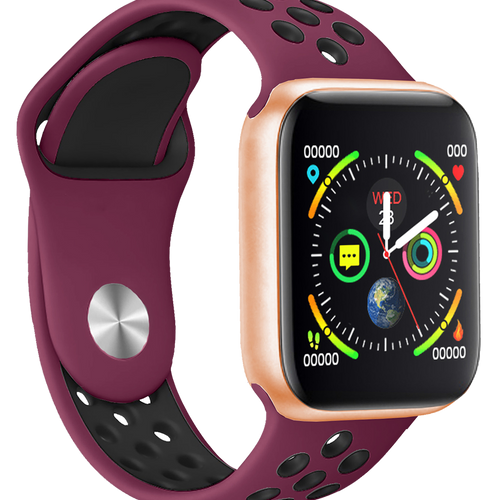
iTIME V-Series Clinical Bio-Sensor Watch
Designed for continuous physiological monitoring. Features real-time optical SpO2 tracking, 24/7 heart rate variability (HRV), NTC skin temperature sensing, and automated sleep architecture analysis.
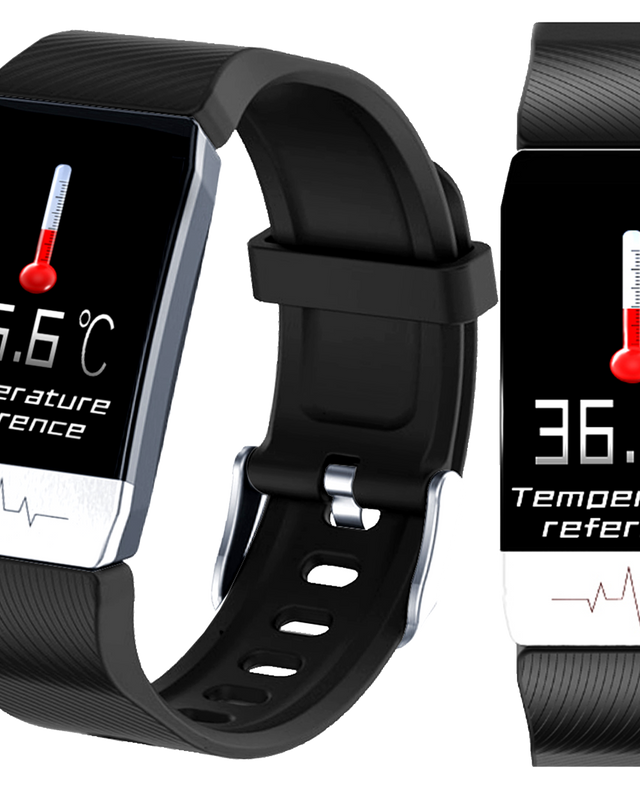
iTIME Kids 4G GPS & Vital Signs Watch
Combining cellular connectivity with child health safety. Integrated 4G LTE VoLTE two-way calling, multi-constellation GPS/LBS/Wi-Fi tracking, one-touch SOS alerts, and fever detection temp sensors.
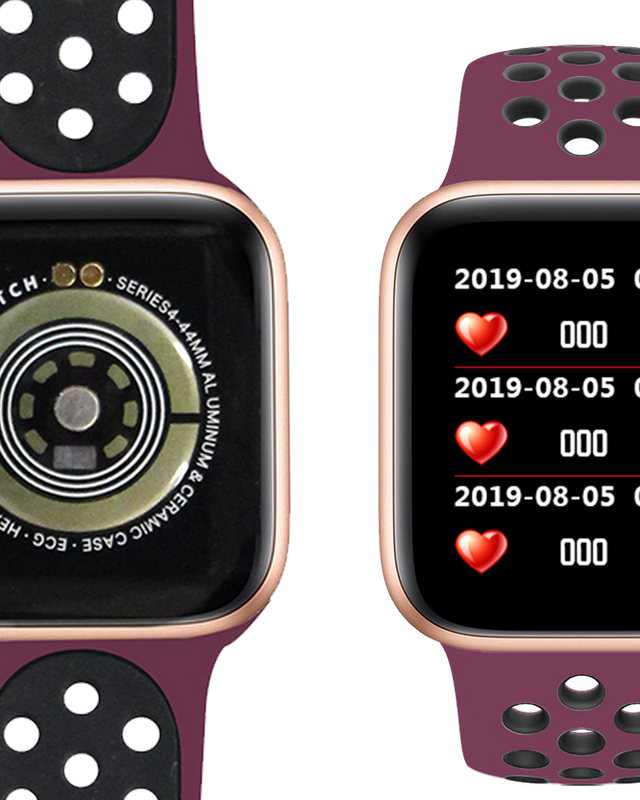
Licensed Character Interactive Health Watch
Combines iconic pop culture brand licensing (Justice, Disney, Marvel, Nickelodeon partnerships) with engaging fitness step tracking, interactive health games, and kid-safe non-connected UI.
OEM/ODM Technical Note for Buyers: All iTIME wearable health tech watch products support bespoke housing mold designs, silicone/TPU/leather strap customization, customized UI skinning, and white-label mobile applications for iOS and Android. Contact our New York B2B desk for custom NRE and tooling quotes.
3. Deep-Dive Bio-Sensor Technology: Achieving Absolute Accuracy in Health Tracking
The commercial value of a Wearable Health Technology Watch relies entirely on data reproducibility and sensor fidelity. Cheap consumer wearables often suffer from high noise-to-signal ratios due to wrist movement, varying skin pigmentation, and temperature fluctuations. iTIME tackles these challenges through hardware and software optimization.
Quad-Channel Optical PPG Architecture
Our V-Series and custom medical-grade wearables utilize a multi-LED optical photoplethysmography sensor array operating at 525nm (green light for heart rate) and 660nm/940nm (red/infrared light for blood oxygen saturation). By analyzing differential light absorption across peripheral microvascular tissue, iTIME watches calculate SpO2 levels with ±2% accuracy compared to standard arterial blood gas monitors.
Clinical Temperature Sensing via NTC Thermistors
Body surface temperature fluctuates significantly based on ambient environment. iTIME integrates dual-point thermistor arrays: one sensor measuring ambient ambient drift and one contacting epidermal tissue. Algorithms perform continuous thermal compensation, yielding body temperature readings accurate to ±0.1°C—vital for early fever alerts in children and seniors.
Sleep Architecture & Somnography Algorithms
Sleep monitoring in iTIME watches goes beyond simple actigraphy. By cross-referencing actigraphic motion data with Heart Rate Variability (HRV) metrics, our onboard software classifies sleep into Light Sleep, Deep Sleep, and Rapid Eye Movement (REM) stages. This provides enterprise healthcare platforms with actionable sleep hygiene data.
Real-Time Vitals Alerting & Edge Computation
Instead of relying solely on cloud processing, iTIME wearables execute lightweight neural network processing on low-power ARM Cortex-M microcontrollers. This enables immediate wrist alerts for tachycardia, bradycardia, hypoxia events, or sudden spike in skin temperature without requiring an active smartphone connection.
4. Product Development & Technological Evolution Trends (2024–2030)
As an SEO Growth Director and product strategist evaluating semantic query data from global supply chain leaders, it is evident that the wearable health sector is undergoing a monumental shift. B2B buyers must anticipate technology roadmaps to avoid product obsolescence. Below are the five key technological trends shaping future wearable health watches:
Trend 1: Non-Invasive Glucose & Metabolic Trend Monitoring
R&D investments are moving rapidly toward optical spectroscopy and interstitial fluid sensing to track blood glucose trends non-invasively. While full clinical replacement for finger-stick blood glucose is still under regulatory review, continuous metabolic trend monitoring will become standard in premium B2B health watches over the next 3-5 years.
Trend 2: Edge-AI Microcontrollers & Predictive Health Diagnostics
Modern microcontrollers (MCUs) are integrating specialized Neural Processing Units (NPUs) running at sub-milliwatt power levels. This allows smartwatches to analyze electrodermal activity (EDA), ECG waveforms, and PPG signals in real time to predict acute health events (such as atrial fibrillation onset or stress spikes) before symptoms manifest outwardly.
Trend 3: Hybrid Satellite-Terrestrial & 5G RedCap Connectivity
For kids' GPS safety watches and senior emergency response wearables, the integration of 5G Reduced Capability (RedCap) chipsets will dramatically cut power consumption while ensuring low-latency communication. Future iterations will incorporate direct-to-satellite NTN (Non-Terrestrial Network) emergency messaging for uncompromised global safety coverage.
Trend 4: Energy Harvesting & Multi-Week Battery Architecture
The friction of daily charging remains the primary barrier to long-term user compliance in health monitoring programs. Breakthroughs in micro-solar ambient light harvesting layers built directly beneath watch displays, paired with ultra-low-power memory-in-pixel (MIP) displays, are extending operational lifespans from days to weeks.
Trend 5: Biocompatible & Sustainable Eco-Materials
Global procurement regulations (such as the EU Green Deal and REACH updates) mandate strict control over materials contacting human skin. Future wearable watches are shifting toward bio-based polymers, recycled ocean plastic cases, and hypoallergenic titanium bezels, ensuring long-term wearability without skin sensitization.
5. Future Procurement & Sourcing Strategy Trends for Global Buyers
Wholesale buyers, department stores, brand owners, and enterprise wellness platforms face shifting dynamics in global trade and supplier evaluation. Sourcing a Wearable Health Technology Watch is no longer just about unit cost; it requires evaluating end-to-end operational security and regulatory compliance.
Shift Towards Turnkey OEM/ODM Co-Development
Global buyers are migrating away from simple off-the-shelf catalog ordering. Instead, buyers partner with established manufacturers like iTIME who offer full co-development capabilities—including custom PCB layouts, proprietary industrial design, firmware customization, and dedicated cloud API integrations.
Strict Data Privacy & Cloud Security Compliance
Health data collected by smartwatches falls under stringent international privacy laws, such as HIPAA in the United States and GDPR in the European Union. Procurement teams are prioritizing suppliers who provide end-to-end AES-256 data encryption from wrist device to mobile app and cloud backend.
Supply Chain Diversification & Dual-Region Logistics
Geopolitical uncertainty and tariff fluctuations make single-region sourcing risky. Leading retail procurement directors demand suppliers with dual-region logistics routing, strong U.S.-based headquarters support (such as iTIME’s New York office), and localized after-sales RMA handling.
6. Frequently Asked Questions (FAQ) for Global B2B Wearable Sourcing
Based on user intent queries analyzed across Google semantic search and AI procurement assistant platforms, here are authoritative technical answers for enterprise sourcing directors:
7. Partner with iTIME: Accelerate Your Wearable Health Sourcing Strategy
Sourcing the ideal Wearable Health Technology Watch requires a partner who balances high-tech bio-sensor development with retail supply chain reliability. iTIME offers global B2B buyers an unexcelled competitive advantage: over 30 years of horology heritage, certified manufacturing cleanrooms, proven entertainment brand partnerships, and full regulatory compliance.
Whether you are expanding a retail consumer electronics department, launching a specialized kids safety line, or developing a corporate health monitoring ecosystem, iTIME delivers turnkey OEM/ODM solutions tailored to your operational budget and timeline.