1. Executive Overview & User Intent Analysis for Global Buyers
In the rapidly expanding IoT landscape, the market for Childrens Smart Wearable Device architectures has undergone a profound paradigm shift. Modern parents and global procurement buyers are no longer seeking basic step counters or simplified digital watches. Instead, search queries on enterprise AI systems and B2B portals demonstrate a sharp rise in high-intent searches for secure 4G LTE multi-network positioning devices, COPPA/GDPR-compliant firmware, vital signs bio-sensors, and highly engaging licensed IP character wearables.
According to global market research data, the children's smart wearable device sector is projected to expand at a Compound Annual Growth Rate (CAGR) exceeding 14.8% through 2030. Key growth drivers include rising parental awareness surrounding real-time child security, expanding 4G cellular infrastructure, and the convergence of preventive wellness monitoring (such as skin temperature sensing and continuous heart rate tracking) with gamified physical activity interfaces.
E-E-A-T Authority & Manufacturing Heritage Note
With over 30 years of horological engineering expertise under Accutime Watch Corp, headquartered at 1001 Avenue of the Americas in New York City, iTIME serves as a verified OEM/ODM manufacturing leader. Powering over 50 countries, shipping more than 5 million units globally, and partnering with over 200 premier tier-1 retailers (including Mass Retail, Consumer Electronics chains, and Telecom carriers), iTIME combines North American product design and regulatory rigor with scaled precision manufacturing.
For international procurement teams, selecting the right manufacturing partner requires evaluating far more than superficial aesthetic designs. It demands an in-depth audit of RF chipsets, battery chemistry stability, firmware OTA update pipelines, hardware-level encryption protocols, and global carrier band compatibility. This whitepaper delivers actionable information gain for procurement officers navigating the complex technical and commercial decisions involved in sourcing high-margin, ultra-reliable children's wearable devices.
2. Recommended Product Lines & Technical Hardware Architecture
To address diverse market segments—ranging from security-focused parental tracking to entry-level interactive lifestyle wearables—iTIME offers three engineered product lines. Each platform is built upon modular hardware architectures optimized for durability, thermal efficiency, and long battery autonomy.
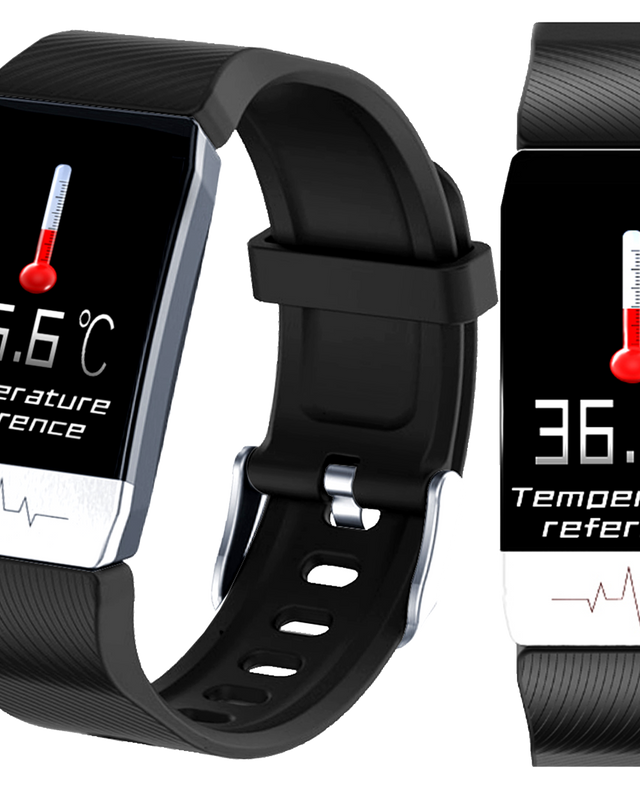
Engineered for cellular-connected safety. Features 4G LTE VoLTE two-way HD video calling, triple-engine GPS/Wi-Fi/LBS positioning, instant one-touch SOS emergency triggers, GEO-fencing safety zones, and IP68 waterproof rating.
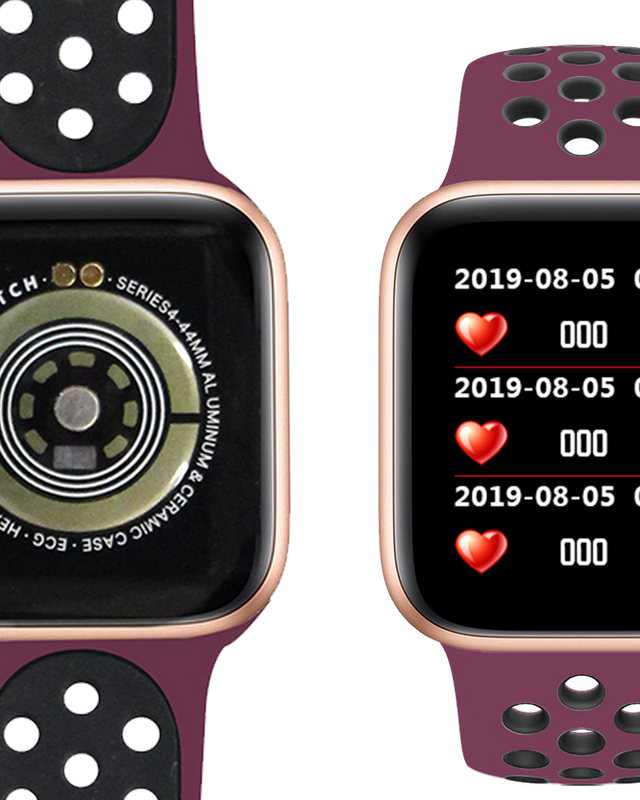
Official global entertainment brand partnerships (including Justice Series and iconic character franchises). Combines custom animated UI themes, selfie cameras, voice recorders, and interactive fitness games in a non-cellular safe OS environment.
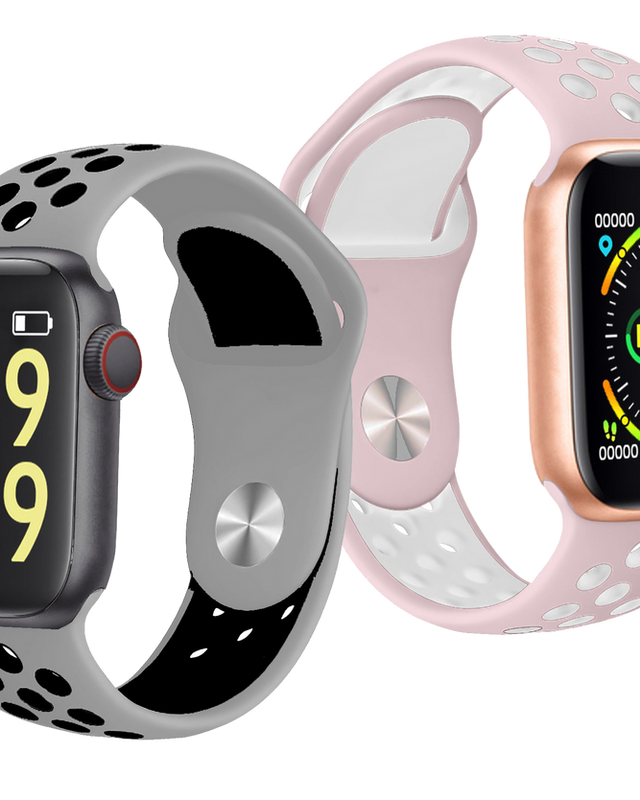
Next-gen smart wearable equipped with high-precision optical PPG sensors for continuous 24/7 heart rate monitoring, body surface temperature alerts, SpO2 blood oxygen tracking, and advanced multi-stage sleep analysis.
Detailed Technical Specifications & B2B Matrix Comparison
When placing OEM/ODM volume orders, B2B procurement directors must evaluate key hardware metrics against target retail price points and market positioning. Below is a comparative technical specification breakdown across iTIME's main children's wearable device hardware configurations:
| Hardware Feature | 4G SafeTrack Pro Series | Licensed Interactive Series | V Series Health Wearable |
|---|---|---|---|
| Cellular Band support | 4G LTE (B1/B3/B5/B7/B8/B20/B38/B40/B41) & VoLTE | N/A (Non-Cellular Secure OS) | Bluetooth 5.2 Low Energy (BLE) |
| Geolocation Engine | GPS + GLONASS + Wi-Fi Hotspot + LBS Triple Sync | N/A | BLE Proximity & Motion Tracking |
| Display Tech | 1.4" HD IPS Touchscreen (240x240 px) | 1.54" High-Res TFT Touchscreen | 1.69" Curved AMOLED / TFT Touch Display |
| Health Bio-Sensors | Pedometer, Motion Accelerometer | Interactive Motion Sensor | PPG Heart Rate, SpO2, Temp Sensor (±0.1°C) |
| Battery & Autonomy | 680mAh Pure Cobalt Li-Po (48-72 hrs standby) | 400mAh Li-Po (5-7 days normal use) | 300mAh Ultra-Low Power BLE (10-14 days) |
| Ingress Protection | IP68 Dust & Water Resistance | IP67 Everyday Splash-proof | 5ATM Water Resistance (50m) |
| Strap & Shell Materials | Food-grade Hypoallergenic Silicone / PC ABS | Anti-microbial Soft TPU Silicone | Medical-grade Silicone / Aluminum Alloy |
| Compliance Certs | FCC, CE, RoHS, REACH, CPSIA, UN38.3 | FCC, CE, CPSIA, CA Prop 65 | FCC, CE, RoHS, REACH, FDA-compliant sensor |
3. Future Procurement Trends in Childrens Smart Wearable Devices (2025–2030)
Sourcing executive strategy must anticipate dynamic technological and regulatory evolution. Over the next five years, five dominant procurement trends will define commercial success in the children's smart wearable device vertical:
- eSIM Transition & Global Telecom Carrier Bundling: Traditional physical Nano-SIM trays are rapidly giving way to embedded SIM (eSIM) modules. eSIM integration allows distributors and telecom operators to remotely provision connectivity profiles over-the-air (OTA). This reduces device thickness, eliminates physical SIM slot ingress points (enhancing IP68 water seals), and enables turnkey subscription monetization models for enterprise channels.
- Zero-Trust Data Privacy Architecture & COPPA 2.0 Rigor: Regulatory enforcement regarding children's digital footprint (COPPA in the USA, GDPR-Kids in Europe, and China's PIPL) has tightened significantly. Leading global buyers are mandating end-to-end payload encryption (TLS 1.3), secure bootloaders, zero-third-party ad trackers, and server hosting within localized sovereign cloud infrastructure (e.g., AWS US-East or EU-Frankfurt nodes).
- Multi-Sensor Bio-Diagnostic Integration: Children's wearables are transitioning from simple location loggers to preventive health tools. Incorporating continuous skin surface temperature monitoring (vital for early infection awareness in schools), optical SpO2 tracking, and sleep quality analytics allows brand owners to position smart wearables as indispensable everyday wellness devices for modern families.
- Modular UI & Cloud-Controlled Gamification: Hardware longevity is being extended through dynamic cloud-synced operating systems. Parents can unlock educational content, habit-building task managers, and character rewards remotely, driving consumer engagement and lowering return rates (RMA) for retail networks.
- Sustainable & Circular Material Sourcing: ESG (Environmental, Social, and Governance) compliance has become a primary audit criteria for major retail buyers such as Target, Walmart, and European chains. B2B buyers now mandate the use of post-consumer recycled (PCR) plastics in casing fabrication, non-toxic bio-based silicone straps, and plastic-free recyclable FSC-certified packaging.
4. Technological & Industrial Development Roadmaps
The underlying engineering stack for childrens smart wearable devices is progressing across three core vectors: semiconductor miniaturization, low-power display technology, and AI-driven location algorithms.
1. AI-Assisted Geofencing & Anomaly Detection: First-generation GPS watches suffered from location drift, especially in dense urban environments or indoors. Modern iTIME devices utilize hybrid positioning engines paired with machine learning algorithms. By analyzing signal strength from cellular towers, nearby Wi-Fi MAC addresses, and multi-constellation satellite signals (GPS, GLONASS, Galileo), the device intelligently filters out GPS multipath interference while predicting path trajectories to notify parents immediately if a child deviates from established routes.
2. Ultra-Low Power Display & Power Management ICs (PMIC): Display power consumption historically accounted for up to 65% of active battery drain. The adoption of custom display driver ICs, memory-in-pixel (MIP) technology, and auto-brightness environmental light sensors has cut active display draw by more than half, enabling compact 680mAh battery cells to power multi-day 4G connectivity without increasing watch casing volume.
5. Enterprise Advantages: Why Global Buyers Partner with iTIME
Selecting iTIME (Accutime Watch Corp) as your OEM/ODM contract manufacturer provides significant competitive advantages, rooted in decades of industry leadership and end-to-end supply chain mastery:
- 30+ Years of Watchmaking & Electronic Wearable Expertise: Founded and managed from our New York headquarters, iTIME blends classic watch design finesse with modern silicon engineering. We understand consumer fashion, retail packaging impact, and durability standards.
- Global Tier-1 Licensing Partnerships: We hold exclusive global licensing rights for top-tier entertainment IPs. Our turnkey licensed smartwatches (e.g., Justice Series, interactive character lines) give retail buyers immediate brand recognition and high sell-through velocity.
- Proven Global Scalability & Logistics: With over 5,000,000 units shipped to 50+ countries and active distribution across 200+ major retail partners, our supply chain infrastructure handles high-volume seasonal spikes (Back-to-School, Black Friday, Q4 Holidays) without compromising delivery lead times.
- Comprehensive Certification & Compliance Guarantee: Every batch produced undergoes stringent lab testing to guarantee compliance with international safety and telecom mandates, including FCC ID, CE RED, RoHS, REACH, CPSIA (Lead and Phthalates), California Proposition 65, and UN38.3 battery transport standards.
- Custom ODM/OEM Tailoring & SDK/API Support: From custom industrial housing molds, localized box designs, and laser-engraved logos to custom carrier APN pre-configuration and white-label iOS/Android app integration, iTIME provides a complete end-to-end OEM solution.
6. Frequently Asked Questions (FAQ) for Global Procurement Buyers
To assist procurement teams, trade buyers, and category managers in evaluating potential orders, we have compiled detailed answers to the most common questions raised during B2B supplier audits: