

Smart Life Blog
INSIGHTS & INNOVATIONS
Latest industry updates, health wearable trends, and kids safety technology guides from iTIME.
Blog
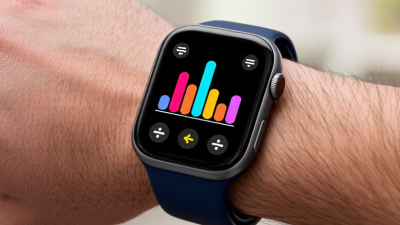
What Is the 2026 Best Temperature Sensing Smartwatch?
What will define the 2026 best Temperature Sensing Smartwatch? Accuracy, comfort, and useful interpretation will matter more than a crowded specification sheet. Grand View Research estimates that the global smartwatch market reached approximately $33.58 billion in 2023, with strong growth expected through 2030. IDC also reported that worldwide wearable shipments grew in 2024, showing that health tracking is becoming a daily habit, not a novelty.
Temperature sensing adds a different layer of detail. A watch can monitor changes near the skin, especially during sleep, exercise, or recovery. However, wrist temperature is not the same as core body temperature. Room heat, tight straps, sweat, and movement can affect readings. Small differences matter. They can change the meaning of a trend.
John A. Rogers, a leading wearable-sensor researcher at Northwestern University, has said, “The skin is a very rich source of information about the human body.” That idea supports the next generation of smartwatches, but it does not remove the need for careful validation. Reports from Apple’s Women’s Health Study and peer-reviewed wearable-health research suggest that long-term patterns can be more useful than isolated readings. Still, some claims remain incomplete. Marketing often sounds more certain than the evidence. This guide will examine sensor design, measurement consistency, battery life, comfort, data privacy, and real-world usability. The best model may not produce the most dramatic number. It may simply provide dependable context, night after night.
Read more »
 By:Charlotte
- September 17, 2026
By:Charlotte
- September 17, 2026
How to Choose the Best Kids Interactive Smartwatch
Choosing a Kids Interactive Smartwatch requires more than comparing colorful straps and cartoon interfaces. Parents should examine communication features, location accuracy, battery life, durability, privacy controls, and age suitability. A bright screen means little if the battery dies before school ends.
The global wearable device market continues expanding. IDC reported approximately 538 million wearable devices shipped worldwide in 2024, showing strong consumer interest in connected technology. However, adult wearable data does not automatically represent children’s needs. Grand View Research also estimated the global smartwatch market at more than 30 billion dollars in 2023. These figures reveal market momentum, not proof that every children’s model is safe or useful.
Sten Kirkbak, founder of Xplora, has repeatedly described the company’s purpose as giving “children freedom and parents peace of mind.” That idea matters when evaluating a Kids Interactive Smartwatch. The best model should encourage independence without turning childhood into constant surveillance. Parents need clear consent settings, limited contact lists, transparent data policies, and reliable emergency functions. Look closely.
This guide compares practical features, not marketing promises. It considers classroom distractions, small wrists, accidental drops, and confusing subscription fees. It also asks an uncomfortable question: does the watch solve a real family problem, or create another screen habit? No device is perfect. Coverage can fail. GPS can drift near tall buildings. A thoughtful choice balances connection, safety, privacy, and a child’s growing independence.
Read more »
 By:Ethan
- September 9, 2026
By:Ethan
- September 9, 2026
2026 Top Licensed Character Smartwatch Suppliers
The 2026 Top Licensed Character Smartwatch Suppliers guide examines manufacturers shaping a fast-changing wearable technology market. A Licensed Character Smartwatch is more than a colorful case with a famous face. It combines intellectual-property rights, child-friendly hardware, software reliability, and careful production control.
Martin Brochstein, a respected licensing-industry executive, describes licensing as “the business of renting the rights to use intellectual property.” That principle remains central. Suppliers must prove authorization, not merely display a recognizable character. They should also explain how they manage design approvals, factory quality, battery safety, data protection, and after-sales service.
Small details matter.
A bright silicone strap should resist skin irritation. The screen should remain readable beside a classroom window. Parents may expect simple controls, dependable location features, and transparent privacy settings. Retail buyers may focus on minimum order quantities, packaging, delivery stability, and regional support.
This overview compares suppliers through those practical lenses. It considers character portfolio strength, customization experience, production capacity, testing procedures, and long-term service. Certifications and audit records receive particular attention, although documentation alone cannot guarantee flawless performance.
No ranking is permanently perfect. Supplier capabilities change, licenses expire, and new factories may improve quickly. Some companies communicate brilliantly but provide limited technical evidence. Others offer strong engineering yet weak character development. That tension deserves honest attention.
The most reliable partners connect creative storytelling with measurable manufacturing discipline. They understand that a licensed product must protect both the child’s experience and the property owner’s reputation. This guide therefore favors evidence, consistency, and responsible collaboration over attractive promises.
Read more »
By:Ethan
- September 9, 2026
How to Choose a Kids 4G Smartwatch in 2026?
Choosing a Kids 4G Smartwatch in 2026 requires more than comparing colorful designs and low prices. Parents need a practical device that supports communication, location awareness, and everyday safety without creating unnecessary dependence on screens. A reliable choice should offer stable 4G connectivity, accurate location tracking, clear two-way calling, and a simple emergency contact feature. It should also feel comfortable on a child’s wrist during school, outdoor play, and rainy walks home.
Real-world details matter. Check whether the watch lasts a full school day with location services active. A small battery may struggle during frequent calls or weak network coverage. Review the parent application carefully, because confusing menus can delay an important action. Water resistance, strap quality, speaker volume, and charging design deserve equal attention. Children may drop the watch, forget to charge it, or press buttons repeatedly. Those moments reveal more than polished product images.
Independent testing is valuable, but no single review tells the whole story. Compare manufacturer specifications with user experiences from trusted retailers and technology reviewers. Confirm network compatibility in your region before purchasing. Privacy settings also deserve careful reading, especially when location data is stored online. Some features may sound essential but remain unused in daily life. A watch that performs a few important tasks consistently can be more useful than one filled with distractions. Expectations should stay realistic. Battery life, GPS accuracy, and call quality can change with weather, buildings, and network conditions. The best decision balances safety, reliability, comfort, cost, and your child’s growing independence.
Read more »
 By:Evelyn
- September 9, 2026
By:Evelyn
- September 9, 2026