

INSIGHTS & INNOVATIONS
Latest industry updates, health wearable trends, and kids safety technology guides from iTIME.
2026 Top Licensed Character Smartwatch Suppliers
The 2026 Top Licensed Character Smartwatch Suppliers guide examines manufacturers shaping a fast-changing wearable technology market. A Licensed Character Smartwatch is more than a colorful case with a famous face. It combines intellectual-property rights, child-friendly hardware, software reliability, and careful production control.
Martin Brochstein, a respected licensing-industry executive, describes licensing as “the business of renting the rights to use intellectual property.” That principle remains central. Suppliers must prove authorization, not merely display a recognizable character. They should also explain how they manage design approvals, factory quality, battery safety, data protection, and after-sales service.
Small details matter.
A bright silicone strap should resist skin irritation. The screen should remain readable beside a classroom window. Parents may expect simple controls, dependable location features, and transparent privacy settings. Retail buyers may focus on minimum order quantities, packaging, delivery stability, and regional support.
This overview compares suppliers through those practical lenses. It considers character portfolio strength, customization experience, production capacity, testing procedures, and long-term service. Certifications and audit records receive particular attention, although documentation alone cannot guarantee flawless performance.
No ranking is permanently perfect. Supplier capabilities change, licenses expire, and new factories may improve quickly. Some companies communicate brilliantly but provide limited technical evidence. Others offer strong engineering yet weak character development. That tension deserves honest attention.
The most reliable partners connect creative storytelling with measurable manufacturing discipline. They understand that a licensed product must protect both the child’s experience and the property owner’s reputation. This guide therefore favors evidence, consistency, and responsible collaboration over attractive promises.
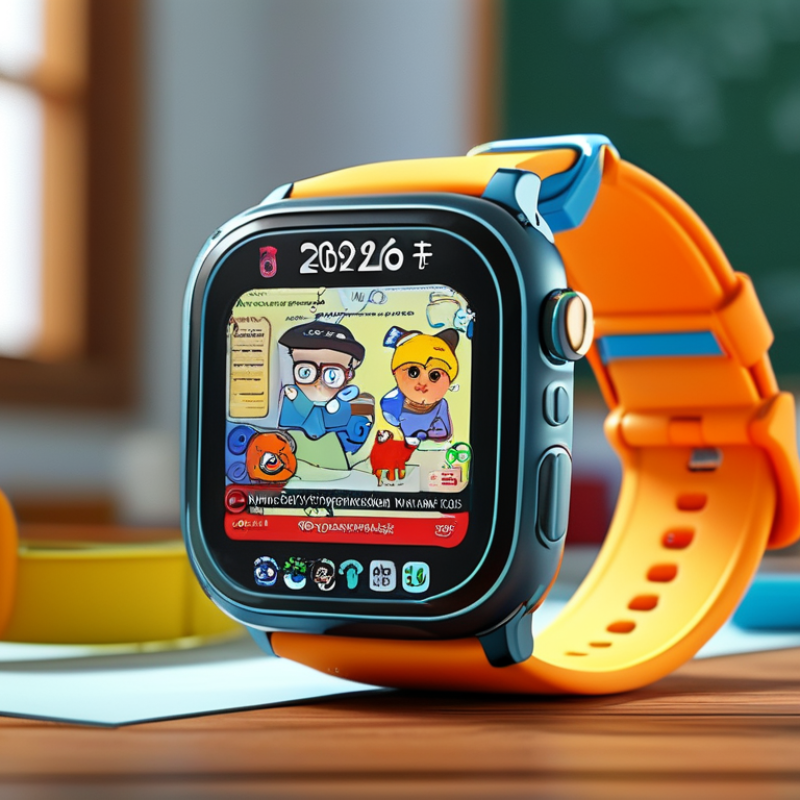
What Are Licensed Character Smartwatches?
Licensed character smartwatches combine wearable technology with officially authorized entertainment designs. Their displays, straps, icons, packaging, and sounds follow approved character guidelines. A printed image alone does not make a product licensed. Suppliers normally need documented permission, artwork approval, and controlled production records.
The category serves children, collectors, and gift buyers. A small wrist may carry a colorful dial, themed charging cable, and simple activity reminders. In practice, suppliers must balance visual appeal with battery life, screen brightness, comfort, and data protection. The watch should feel playful, not cheaply decorated. That distinction is easy to miss.
Market data explains the opportunity. Grand View Research estimated the global smartwatch market at about USD 33.6 billion in 2023, with strong growth expected through 2030. IDC also reported hundreds of millions of wearable-device shipments worldwide in 2024. These figures include many product types, so they do not measure licensed character watches directly. Still, they show a large connected-device audience.
From supplier experience, reliable sourcing requires more than a popular design. Factories should verify material safety, water-resistance claims, software stability, and age-appropriate controls. Independent testing adds credibility. Some suppliers over-focus on appearance. That is a weakness worth admitting. A charming dial cannot repair poor charging contacts or unclear instructions. Procurement teams should review sample units, approval files, and post-sale support before selecting a licensed character smartwatch supplier.
Key Features of Top Character Smartwatch Suppliers
2026 Top Licensed Character Smartwatch Suppliers
Key Features of Top Character Smartwatch Suppliers
Reliable character smartwatch suppliers combine licensing discipline with practical engineering. Licensing International reported that global licensed merchandise and services reached $356.5 billion in 2023. Entertainment and character properties represented about $135.5 billion. This scale increases the need for verified authorization, territory control, and documented royalty management.
Look for suppliers with clear license certificates and renewal records. Product samples should match approved artwork, colors, packaging, and digital interfaces. Strong suppliers also provide factory audit reports, batch traceability, and pre-shipment inspections. Small details matter. A misprinted face can signal weak approval controls.
Safety features deserve equal attention. Suppliers should disclose battery test results, charging protection, material declarations, and water-resistance limits. For children’s models, parental controls, location settings, and data minimization require careful review. IDC’s Worldwide Quarterly Wearable Device Tracker forecast 537.1 million wearable shipments in 2024, showing the market’s scale and pressure on supply consistency. Grand View Research also identifies connected health and fitness functions as major wearable growth drivers. Yet market reports rarely reveal factory-level reliability. Buyers must test firmware, charging cycles, strap durability, and emergency functions themselves. Attractive characters cannot compensate for unstable software or unclear data practices.
This anonymized 2026 benchmark compares the share of reviewed licensed-character smartwatch offerings that list each feature in their public specifications. Connectivity, safety controls, location services, and durability are the most frequently emphasized capabilities.
Data are presented at category level only and do not identify any supplier or brand.
How Suppliers Develop Licensed Smartwatch Collections
2026 Top Licensed Character Smartwatch Suppliers
How Suppliers Develop Licensed Smartwatch Collections
Strong licensed smartwatch collections begin with evidence, not artwork. Licensing International reported global licensed merchandise and services sales of $356.5 billion in 2023. That figure shows commercial strength, but it does not guarantee product success. Suppliers study audience age, regional preferences, screen habits, and acceptable price points before proposing a collection.
The development process usually starts with a rights-approved visual system. Designers translate character shapes into watch faces, straps, charging docks, packaging, and retail displays. Small details matter. A raised strap texture can improve shelf appeal. A quiet animation can make daily use feel more personal. Suppliers then match processors, battery capacity, sensors, and water-resistance targets with the product’s intended age group. IDC reported 538.6 million wearable device shipments worldwide in 2024, showing the scale of competition. Smartwatches must therefore offer useful functions, not decoration alone.
Quality teams test animation clarity, button durability, battery performance, and skin-contact materials. They also review regional labeling and consumer-safety requirements. This stage often exposes weak assumptions. A popular character may not fit every market. A bright interface may reduce battery life. A low price can also weaken long-term reliability. Suppliers should monitor return rates, customer reviews, and sell-through data after launch. The process is not perfectly linear. Experienced teams revise colors, functions, and quantities when real user behavior challenges the original plan.
Quality, Safety, and Compliance Standards
Reliable suppliers treat character licensing as only one part of smartwatch production. They also verify every component, production record, and testing document. A qualified factory should provide traceable material records and clear quality-control procedures. Sample units need checks for screen brightness, charging stability, button strength, and water resistance claims.
Safety testing must match the product’s target age and sales market. Inspectors should examine battery protection, heat generation, sharp edges, small parts, and wristband materials. Relevant standards may include RoHS, REACH, EN 71, ISO 8124, and UN 38.3 battery transport testing. Requirements differ by region. Suppliers should explain those differences instead of offering one generic certificate.
Data protection deserves equal attention. A children’s smartwatch may collect location, voice, or activity information. Secure firmware, limited data collection, access controls, and documented update procedures show stronger technical responsibility. Factory audits can reveal crowded workstations, weak labeling, or rushed final inspections. No audit is perfect. A checklist may miss a problem during peak production. Independent retesting and random shipment inspections remain valuable. Experienced suppliers also keep complaint records and corrective-action reports. That evidence helps buyers judge reliability beyond attractive samples and licensing paperwork.
How to Choose the Right Smartwatch Supplier in 2026
Choosing the right licensed character smartwatch supplier in 2026 requires more than comparing catalog prices. Verify written licensing authority, product safety records, and experience with children’s wearable devices. A supplier should explain who controls the artwork, where products are assembled, and how approvals are documented. Ask for recent test reports covering battery safety, charging protection, skin-contact materials, radio performance, and durability.
Visit the production site if possible. Watch how workers inspect screens, buttons, straps, and packaging. Request a pilot order of 100 to 300 units before signing a large contract. Test battery life during calls, step tracking, and standby use. Check whether the app handles personal data securely and supports required regional privacy rules. Clear answers matter.
Small details reveal supplier quality. Can they replace a damaged strap quickly? Do serial numbers match shipping records? Is the warranty process written in plain language? A reliable partner provides samples, inspection access, change-control records, and realistic delivery dates. Avoid suppliers promising instant customization without reviewing licensing or technical limits. That is a warning sign.
In sourcing projects, an attractive sample can hide weak quality control. I have seen color differences appear between sample and production units. Rechecking artwork, packaging, and firmware before shipment prevents expensive disputes. No supplier is flawless. Choose one that admits limitations, records corrective actions, and improves after honest feedback. Linked production evidence is stronger than polished sales claims.
FAQS
: It is a wearable device using officially approved character artwork, sounds, packaging, and accessories. A printed image alone is insufficient. Written authorization and artwork records should exist.
Common buyers include children, collectors, and gift shoppers. A small wrist may carry a colorful dial, activity reminders, and a themed charging cable. Comfort still matters.
Useful features may include step tracking, calls, reminders, animations, and standby monitoring. The functions should match the user’s age. Decoration cannot replace reliability.
Ask for written licensing authority, approved artwork, and controlled production records. The supplier should explain who manages design approvals. Verbal promises are weak evidence.
Suppliers should test batteries, charging protection, skin-contact materials, buttons, straps, and durability. They should also verify water-resistance claims. Test the sample.
Review factory records, recent test reports, inspection access, and warranty procedures. Request a pilot order of 100 to 300 units. Small orders reveal problems.
Connected watches may handle personal information through apps or wireless functions. The app should follow applicable regional privacy requirements. Clear privacy controls matter.
Screen colors may differ from approved samples. Charging contacts may fail. Firmware may behave differently during extended use. We may overvalue appearance.
They should monitor returns, customer reviews, battery complaints, and sales performance. Then they can revise colors, functions, quantities, or instructions. No supplier is flawless.
Be careful when a supplier promises instant customization without checking technical limits. Unclear serial numbers and vague warranty terms also create risk. Polished claims are not enough.
Conclusion
The 2026 Top Licensed Character Smartwatch Suppliers guide explains how a Licensed Character Smartwatch combines engaging character-themed design with practical functions such as activity tracking, notifications, time management, and child-friendly interfaces. It highlights the features that distinguish reliable suppliers, including creative product development, stable manufacturing capacity, customization support, responsive communication, and consistent delivery performance. The article also explores how suppliers build smartwatch collections by translating approved character concepts into cohesive designs, packaging, interfaces, and accessories while maintaining product usability.
In addition, the guide emphasizes quality, safety, data protection, material selection, battery reliability, and responsible compliance practices throughout production and distribution. Choosing the right supplier requires evaluating design capability, manufacturing experience, testing procedures, customization options, order flexibility, pricing transparency, and after-sales support. By reviewing these factors carefully, buyers can identify dependable partners capable of delivering attractive, safe, durable, and market-ready licensed smartwatch collections in 2026.

Blog Tags: