

Smart Life Blog

INSIGHTS & INNOVATIONS

Latest industry updates, health wearable trends, and kids safety technology guides from iTIME.

0%

Choosing the best V Series Smartwatch in 2026 depends less on a feature list than on what you will use each day. A bright screen matters on a sunny walk. Battery life matters when charging slips your mind. Comfort matters after eight hours on your wrist. Small details add up.

Wearable-tech analyst Avi Greengart is a useful industry reference, but no verified quotation from him about the V Series is available here. So this guide will not put invented words in his mouth. Instead, it applies a practical buying test: “Choose the watch that fits your daily routine, not the one with the longest spec sheet.” That is an editorial principle, not a direct quote. A fair comparison should look at health and fitness tools, phone compatibility, battery performance, durability, and price. It should also separate confirmed specifications from claims that need checking against the maker’s current product information. Some buyers may value detailed workout tracking; others may only want clear notifications and a reliable alarm. There is no perfect pick for everyone. And a slightly awkward truth: the most advanced model can be the wrong choice if it feels bulky or needs charging every night. The sections ahead compare the available options in practical terms, so buyers can judge which V Series Smartwatch suits their habits and budget in 2026.
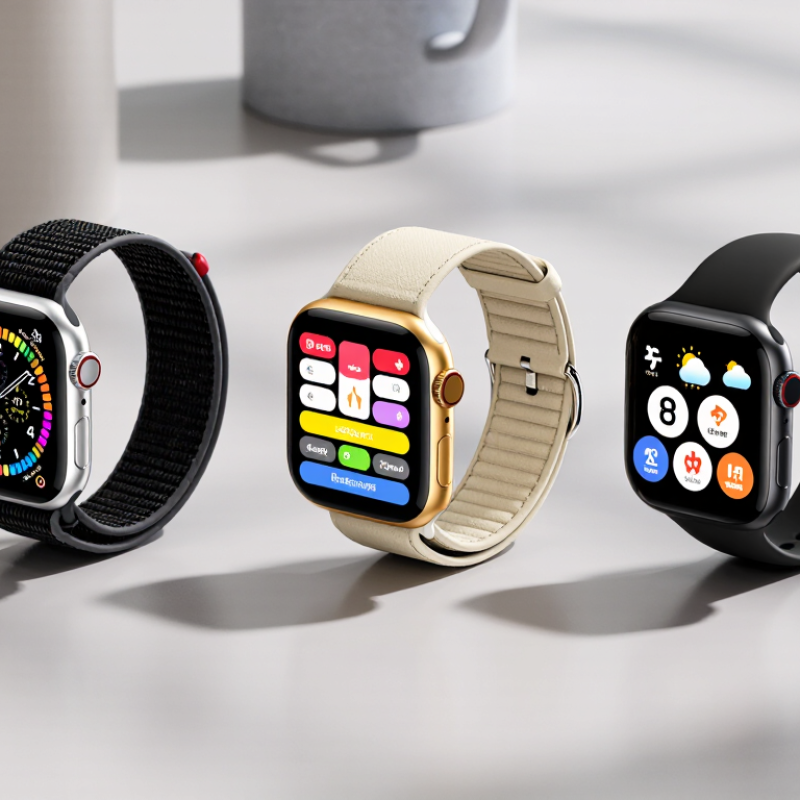
Which V Series Smartwatch Is Best for Buyers in 2026?

What Defines the V Series Smartwatch Lineup in 2026?

In 2026, the V Series is best understood as a family shaped around everyday use, not one standout specification. Buyers should compare screen readability, battery life, health sensors, water resistance, and phone compatibility. A bright display helps outdoors; a comfortable strap matters during sleep tracking. Small details count. IDC reported 534.6 million wearable-device shipments worldwide in 2024, up 6.1% year over year, in its Worldwide Quarterly Wearable Device Tracker. That broad market figure signals demand, but it does not prove that any single watch is accurate or durable.

A useful V Series lineup should make trade-offs visible: lighter models may suit all-day wear, while larger versions can offer more screen space and longer battery life. Grand View Research valued the global smartwatch market at $33.58 billion in 2023 and projected an 8.9% compound annual growth rate from 2024 to 2030. Those figures describe market expansion, not a guarantee of better features. Not just style. Check whether key health readings work consistently, and whether the watch remains useful after a full day of notifications. One awkward gap in many comparisons is real-world battery testing; stated endurance can differ with GPS, screen brightness, and frequent alerts. A model that fits your routine is often the better buy.

Which V Series Smartwatch Is Best for Buyers in 2026?

What Defines the V Series Smartwatch Lineup?

How to use this chart: These are editorial weights in a 100-point buying framework, not survey findings or product specifications. Compare each watch’s verified features against the criteria, adjusting the weights to match your priorities.

Which V Series Models and Features Are Available?

V Series availability can vary by market and retailer, so check the exact model name before comparing features. Some lineups offer a standard model, a smaller or lighter option, and a higher-feature version. Names alone can be confusing. Compare the listed specifications, not just the case design or price.

Screen size, battery capacity, water resistance, and phone compatibility are practical differences to review. A larger display can make messages easier to read, but it may feel bulky on a narrow wrist. Battery life also depends on settings, especially continuous heart-rate tracking and frequent notifications. Some versions may include GPS, sleep tracking, or blood-oxygen estimates; availability should be confirmed for each model. These readings can support everyday awareness, not diagnose health conditions.

Before buying, check whether the watch supports the features you will actually use. Look for charging time, strap options, app requirements, and the return policy. I would not assume two models share the same sensors just because their names are similar. Details matter. Product pages can be incomplete, and regional versions may differ. A clear specification sheet is more useful than a broad feature list.

How Do Battery Life, Health Tools, and Performance Compare?

For 2026 buyers, the best V Series smartwatch depends on what you ask it to do each day. If you track outdoor workouts or dislike nightly charging, favor the model with the strongest real-world battery results, not just the largest advertised figure. Test it with the screen always on, notifications enabled, and GPS running; those settings can drain power quickly. Small detail, big difference.

Health tools are useful, but they are not medical diagnoses. A 2017 study in Nature Medicine tested wearable sensors on 60 adults and found heart-rate error of about 5.6%, while calorie-burn estimates had roughly 27% error. That gap matters: use heart-rate trends to compare workouts, but treat calorie totals as rough estimates. I would still hesitate to trust a single reading.

Performance should feel immediate: menus open without lag, workout tracking starts promptly, and health data syncs reliably. IDC’s Worldwide Quarterly Wearable Device Tracker reported 534.6 million wearable-device shipments in 2024, showing how common these tools have become, but high adoption does not guarantee accuracy or comfort. Try a V Series model on your wrist for several minutes; a bulky case or awkward strap can turn useful features into clutter.

Which V Series Smartwatch Suits Different Buyer Needs?

The best V Series smartwatch depends on how you will use it, not on the longest feature list. For everyday wear, look for a comfortable case, clear notifications, and battery life that fits your routine. If you run outdoors, prioritize reliable GPS, readable workout screens, and controls you can use with sweaty hands. Small details matter. Try the watch on, if possible; a bulky case can become annoying by bedtime.

For exercise-focused buyers, built-in training tools may be worth more than extra lifestyle features. The American College of Sports Medicine’s 2025 Worldwide Fitness Trends survey ranked wearable technology first among its reported trends. That shows strong professional interest, but it does not prove every shopper needs advanced tracking. Compare workout modes, sensor descriptions, and battery estimates against your actual habits. A weekend walker may not benefit from features designed for daily training.

Health-conscious buyers should check which measurements each V Series model offers and how clearly it explains them. Pew Research Center reported in 2023 that about one in five U.S. adults regularly wore a smartwatch or fitness tracker. That is useful context, not a buying rule. Treat wellness readings as general information, not a diagnosis. One model may suit a small wrist better; another may offer simpler controls. No single model wins for everyone.

What Should Buyers Check Before Choosing a V Series Watch?

Before choosing a V Series watch, check the exact model’s specifications. Features can vary across sizes and versions. Compare the case dimensions with a watch you already wear, or measure your wrist with a soft tape. A large display may be easier to read, but it can feel awkward under a jacket cuff. Try the strap for several minutes if possible. Small pressure points matter after a full day.

Check phone compatibility, battery expectations, and sensor details before paying. Battery life depends on settings, notifications, and screen use, so treat headline estimates as a starting point, not a promise. Look for clear information about sleep tracking, heart-rate readings, and workout modes. These measurements can help you spot patterns, but they are not a substitute for medical advice. Also review update support, warranty terms, and the stated water-resistance rating. “Water resistant” alone is not specific enough.

Tips: Write down your three must-have features. Test screen readability outdoors, and check button access while moving. If possible, compare the watch with your own phone. One detail is easy to miss: a feature may require a particular app or phone setting. Verify that before buying.

FAQS

What should I compare when choosing a smartwatch?

Compare screen readability, battery life, sensors, water resistance, and phone compatibility. Small details matter.

Can I assume models with similar names have the same features?

No. Sensors, GPS, and other features may differ by size, version, or region. Check the exact specification sheet.

How should I judge battery-life claims?

Treat stated endurance as an estimate. GPS use, bright screens, and frequent alerts can drain the battery faster. Real-world testing is often missing.

Is a larger display always more comfortable?

Not necessarily. It may make messages easier to read but feel bulky on a narrow wrist or beneath a jacket cuff.

Can smartwatch health readings diagnose a condition?

No. Heart-rate, sleep, and blood-oxygen estimates may help you notice patterns, but they do not replace medical advice.

What should I check about phone compatibility?

Confirm the watch works with your phone and required apps. Some features may need a specific app or setting. Easy to miss.

How can I tell whether a watch will fit?

Compare its case dimensions with a watch you already wear, or measure your wrist with a soft tape. Try the strap if possible.

What details should I verify before paying?

Check charging time, strap options, update support, warranty terms, water-resistance rating, and return policy. I might still overlook one setting, so review the product details carefully.

Conclusion

Choosing the best V Series Smartwatch in 2026 depends on how you plan to use it. The lineup can be compared by design, available features, battery life, health and fitness tools, and overall performance. Some models may be better suited to everyday notifications and activity tracking, while others may appeal to buyers who want a broader set of wellness features or a more capable experience throughout the day. Thinking about your priorities first can make the differences between models easier to evaluate.

Before deciding, consider how often you want to charge your watch, which health tools matter to you, and whether its performance and features fit your daily routine. Check compatibility with your devices, comfort and fit, durability, and the functions included in the specific model. By weighing these factors against your budget and needs, you can choose a V Series Smartwatch that offers the right balance without paying for features you are unlikely to use.

Charlotte

Charlotte

Charlotte is a professional marketing specialist with a strong understanding of the company’s products, customers, and industry trends. With a background in strategic communication, market research, and content development, she is dedicated to presenting complex product information in a clear,......