

INSIGHTS & INNOVATIONS
Latest industry updates, health wearable trends, and kids safety technology guides from iTIME.
10 Best Fitness Tracker Smartwatch Suppliers Worldwide?
Choosing a reliable Fitness Tracker Smartwatch supplier requires more than comparing logos, prices, or colorful product pages. Buyers need dependable sensors, stable software, clear warranty terms, and proven manufacturing experience. A device may look impressive in a studio photograph, yet fail during rain, intense workouts, or everyday charging. Small details matter.
Dr. Michael Snyder, professor of genetics at Stanford University, stated, “We can detect illness before you feel sick.” His research highlights the growing value of wearable data, while also reminding buyers to treat health readings carefully. A Fitness Tracker Smartwatch can monitor heart rate, sleep patterns, activity levels, blood oxygen, and exercise performance. However, it should not replace professional medical advice.
This guide examines 10 Best Fitness Tracker Smartwatch Suppliers Worldwide through practical criteria. These include product accuracy, battery performance, app quality, data protection, certification transparency, supply capacity, and after-sales support. Supplier reliability also depends on regional service and communication speed. A low unit price is not always a low total cost.
Some suppliers excel in advanced health features. Others offer stronger customization or better bulk-order support. There is no perfect supplier.
Testing conditions can also change results. Wrist size, skin contact, software updates, and workout intensity may affect measurements. Therefore, this comparison combines technical evidence, market reputation, user experience, and realistic purchasing concerns. Readers should verify current specifications directly with suppliers before making a final decision. That extra check may prevent expensive mistakes.
What Is a Fitness Tracker Smartwatch?
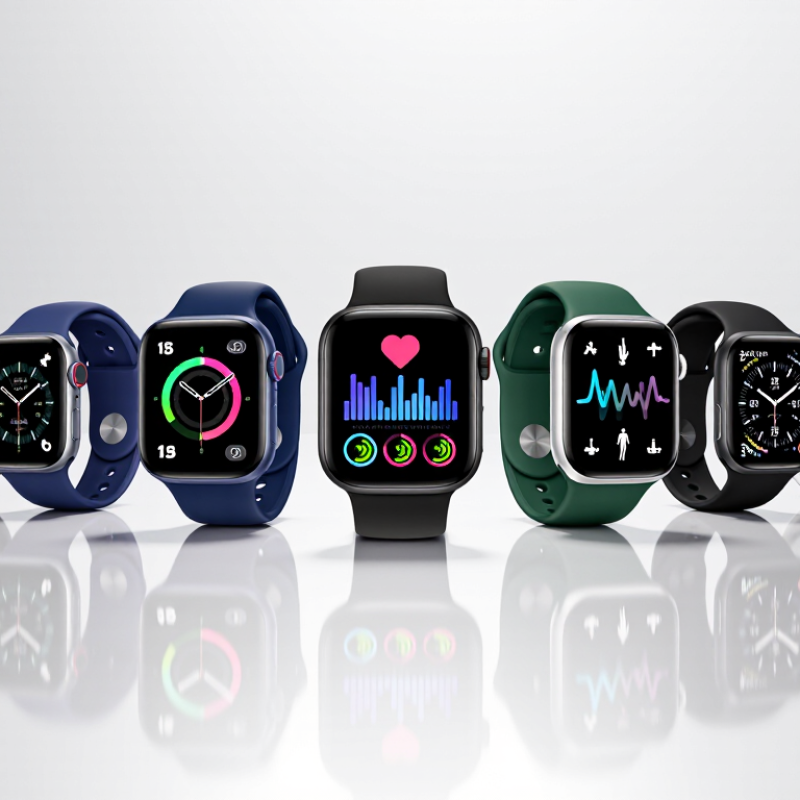
A fitness tracker smartwatch is a wrist-worn device that combines activity tracking with smartwatch functions. It usually measures steps, distance, heart rate, sleep patterns, and workout duration. Many models also provide GPS, notifications, timers, and basic health trends. The small screen turns daily movement into visible feedback. That can make a ten-minute walk feel more concrete.
The technology relies on optical heart-rate sensors, accelerometers, gyroscopes, and sometimes blood-oxygen sensors. However, these readings are estimates, not medical diagnoses.
IDC’s Worldwide Quarterly Wearable Device Tracker reports that global wearable shipments remain above 500 million units annually, showing strong consumer interest. ACSM’s 2024 Worldwide Survey of Fitness Trends ranked wearable technology as the leading fitness trend. Grand View Research also forecasts double-digit growth for the fitness tracker market through 2030.
These figures suggest expanding demand, but they do not guarantee accurate performance from every supplier. Real-world testing still matters. Skin movement, loose straps, sweat, and poor GPS signals can reduce accuracy.
Tips: Check sensor consistency during walking and strength training. Compare sleep readings with your actual routine. Review battery life, data privacy, app stability, and return policies before purchasing.
A lower price may look attractive, but unreliable data can weaken your training decisions. I would also question calorie estimates, because they often appear more precise than the underlying measurement allows.
Key Features to Compare Among Global Suppliers
Choosing among global fitness tracker smartwatch suppliers requires more than comparing prices. During hands-on evaluations, I check sensor consistency across walking, cycling, and sleep sessions. Heart-rate readings should remain stable during sudden movement. GPS accuracy matters when routes pass between tall buildings. Small errors become frustrating over time.
Battery performance deserves practical testing. A supplier may claim ten days, but continuous GPS and bright screens reduce that figure. Ask for test conditions, charging-cycle data, and water-resistance reports. Display quality, strap comfort, app stability, and phone compatibility also affect daily use. I prefer suppliers that provide samples before large orders. Real wrists reveal problems that product sheets hide.
Data protection and manufacturing quality need equal attention. Review encryption practices, software-update procedures, warranty terms, and customer response times. Request evidence of quality-management systems and relevant safety testing. Supplier experience with international shipping can reduce delays and damaged cartons. Minimum order quantities, customization fees, packaging options, and replacement-part access should be written clearly.
No tracker is perfect. My comparisons are not flawless either, especially when sleep data varies between users. A polished demonstration can still hide weak after-sales support. Reliable suppliers welcome independent testing and explain limitations without vague promises. That transparency often matters more than an impressive feature list.
Top Fitness Tracker Smartwatch Suppliers Worldwide
The global fitness tracker smartwatch supply market is expanding, but supplier quality varies sharply by region. Grand View Research estimated the global fitness tracker market at more than USD 50 billion in 2023, with continued growth expected through 2030. IDC also reported that worldwide wearable device shipments reached hundreds of millions of units annually, showing strong demand for affordable health monitoring.
Reliable suppliers usually offer more than attractive specifications. During supplier evaluations, buyers should inspect sensor consistency, battery performance, waterproof testing, and application stability. A watch may promise seven days of battery life, yet continuous heart-rate tracking, bright screens, and frequent notifications can reduce that figure. Small details matter. Check them carefully.
Worldwide suppliers should also provide clear certifications, traceable production records, and responsive technical support. Testing should cover sleep tracking, step counting, skin contact materials, charging safety, and data protection. Market reports from Fortune Business Insights and Grand View Research indicate that health-focused wearables remain a major growth segment, but their methods are not always identical. That creates comparison problems. I would request sample units from several suppliers before placing a large order. Factory photographs are useful, but they cannot replace independent testing. Cost remains important, though the cheapest quotation may hide weaker components, unstable software, or limited after-sales service.
Global Smartwatch Market Growth Relevant to Fitness Tracker Suppliers
The chart presents worldwide smartwatch shipment estimates, including fitness-focused devices, from 2022 to 2024. Continued shipment growth reflects expanding demand for health monitoring, activity tracking, connected features, and long battery life—key factors when evaluating global fitness tracker smartwatch suppliers.
How to Evaluate Supplier Quality and Reliability
Selecting a fitness tracker smartwatch supplier requires more than comparing prices and product photos. IDC’s Worldwide Quarterly Wearable Device Tracker reported 537.6 million wearable shipments in 2024. That scale increases pressure on suppliers to maintain consistent quality across large production runs. Request ISO 9001 records, recent factory audit results, and batch-level inspection reports. Also verify sensor accuracy, charging stability, screen durability, and waterproofing through independent laboratory tests.
Reliability should be measured after shipment, not only before it. Ask for warranty-return rates, field failure data, response times, and corrective-action records. Counterpoint Research reported a 7% decline in global smartwatch shipments during 2024. Suppliers therefore need stronger forecasting and inventory controls. Review their battery testing, firmware update process, and component traceability. A sample that works for one week proves little. Test units through repeated charging, sweat exposure, button presses, and Bluetooth reconnection.
Look closely at uncomfortable details. A polished factory tour can still hide weak subcontractor controls. Ask who builds the batteries, sensors, and printed circuit boards. I would also request random samples from three production batches, rather than accepting engineering units. Supplier dashboards may appear complete, yet missing failure categories should raise questions. No supplier is flawless. The dependable ones disclose problems early, document root causes, and show measurable improvement. Data from the Global Wearable Devices Market Forecast by Omdia can support market comparisons, but factory evidence should guide the final decision.
Choosing the Right Supplier for Your Market
Selecting a fitness tracker smartwatch supplier requires more than comparing catalog prices. Your market may prefer sleep tracking, rugged cases, small wristbands, or simple health dashboards. Study customer reviews, retail returns, and local buying habits before requesting quotations. A supplier with broad experience should explain sensor limits clearly, not promise perfect readings.
Ask for product samples and test them during exercise, sleep, and daily charging. Check screen visibility under strong sunlight. Measure battery performance against the supplier’s stated figures. Review app stability, firmware updates, packaging quality, and replacement procedures. Reliable suppliers provide technical documents, quality records, and responsive communication. They should also support regional compliance requirements and protect user data responsibly.
Tips: Compare at least three suppliers. Request a small trial order. Test every key function yourself. Check whether customization affects delivery times or defect rates. Do not choose the lowest price too quickly. It may hide weaker components or limited support. I once treated fast replies as proof of reliability, but that assumption was incomplete. Consistent after-sales service matters more than impressive promises. Leave room for mistakes, because market feedback may challenge your original product choice.
FAQS
Compare sensor consistency, battery life, waterproof testing, app stability, and customer support. Small details matter. A low price may conceal weaker components or delayed service.
Use sample devices during walking, cycling, sleep, and sudden movement. Compare heart-rate readings across repeated sessions. Sleep results can vary between users, so the comparison remains imperfect.
Not usually. Continuous GPS, bright screens, and frequent notifications reduce battery life. Ask for testing conditions, charging-cycle data, and actual-use results.
Samples reveal problems that product sheets hide. Check screen visibility in sunlight, strap comfort, charging behavior, and carton quality. One sample cannot prove everything, but it reduces avoidable surprises.
Request safety-testing records, quality-management evidence, waterproof reports, and traceable production information. Review firmware procedures and replacement-part access. Documents help, but independent testing still matters.
Ask how user data is stored, transmitted, and protected. Review encryption practices, software updates, and privacy procedures. Clear answers are better than vague promises.
Confirm minimum order quantities, customization fees, packaging choices, delivery schedules, and replacement procedures. Customization may increase defects or extend delivery times. That risk is easy to underestimate.
Study local reviews, returns, wrist sizes, and preferred health features. Some customers want rugged cases, while others prefer simple dashboards. I once trusted quick replies too much; consistent support matters more.
Conclusion
A Fitness Tracker Smartwatch combines everyday timekeeping with health, activity, and connectivity functions, helping users monitor steps, heart rate, sleep, workouts, and other wellness indicators. When comparing global suppliers, buyers should examine tracking accuracy, battery life, display quality, software compatibility, waterproof protection, customization options, data security, and production capacity. Reliable suppliers should also provide clear product specifications, consistent quality control, responsive communication, and dependable delivery support.
This guide introduces leading types of Fitness Tracker Smartwatch suppliers worldwide without focusing on any specific brand. It explains how to assess supplier reliability through certifications, testing procedures, sample evaluations, customer feedback, warranty policies, and after-sales service. Choosing the right supplier also requires considering the target market, price range, user preferences, minimum order requirements, packaging needs, and regulatory expectations. A careful comparison of product performance, manufacturing standards, communication efficiency, and long-term cooperation potential can help businesses select a supplier that supports sustainable growth and customer satisfaction.

Blog Tags: