

Smart Life Blog

INSIGHTS & INNOVATIONS

Latest industry updates, health wearable trends, and kids safety technology guides from iTIME.

0%

Choosing a reliable Health Monitoring Smartwatch is no longer about counting steps alone. Global buyers now compare heart-rate tracking, sleep insights, blood oxygen estimates, ECG features, fall detection, and stress monitoring. These tools can turn a wrist into a small daily health dashboard. Still, the dashboard is not a doctor.

Dr. Eric Topol, a cardiologist and digital-medicine expert, once said, “The smartphone is going to be the stethoscope of the 21st century.” His observation reflects a wider shift toward connected health devices, including advanced smartwatches. However, sensor quality differs between brands. Software support also changes by country, phone type, and service plan. Some health features may require regional approval or compatible devices. Buyers should check those details before paying.

This guide reviews ten leading models for international shoppers. It examines measurement consistency, comfort, battery life, app quality, privacy controls, and emergency features. A bright screen helps outdoors. A secure strap matters during sleep. A battery lasting several days can reduce missed readings. Small details matter.

No ranking fits every wrist. Some watches offer impressive clinical functions but feel bulky. Others look elegant but provide fewer health tools. Even careful testing has limits. Consumer wearables can support personal awareness, yet they should not replace professional diagnosis. The strongest choice balances useful data, practical design, transparent limitations, and dependable support. Expect trade-offs. That is part of buying wisely.
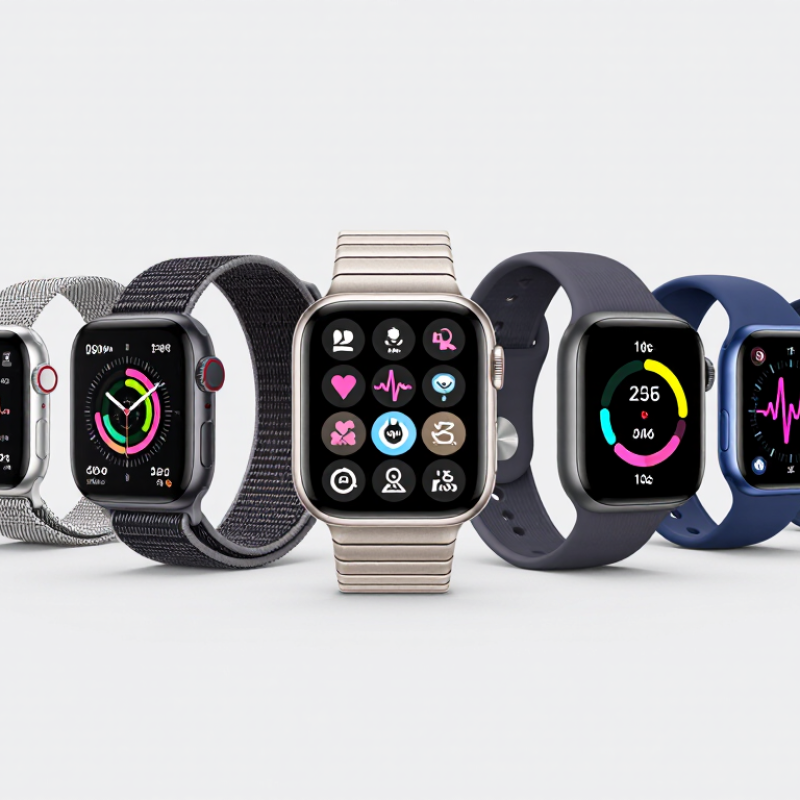
Top 10 Health Monitoring Smartwatches for Global Buyers

What Health Monitoring Smartwatches Measure

A health-monitoring smartwatch turns daily body signals into readable trends. Most models track resting heart rate, walking heart rate, steps, distance, calories, and movement intensity. Optical sensors estimate pulse through changing blood flow at the wrist. During a brisk climb, the display may show 142 beats per minute, then fall after several quiet minutes. That number is useful, but not perfect.

More advanced watches can record a single-lead electrocardiogram, blood oxygen saturation, skin temperature, and heart-rate variability. They may identify irregular rhythm patterns or unusual oxygen readings for review. Sleep tools estimate bedtime, wake time, light sleep, deep sleep, and nighttime interruptions. Some devices also infer breathing rate and recovery from overnight data. These readings are estimates, not clinical diagnoses. Motion, loose straps, cold hands, sweat, and poor sensor contact can reduce accuracy.

In practical use, compare trends under similar conditions: morning, seated, and after five minutes of rest. Record context, too. Illness, altitude, alcohol, hard training, and stress can change measurements. A sudden alert deserves attention, especially with chest pain, fainting, or difficult breathing. Seek qualified medical advice instead of relying on the watch alone. I still misread a low recovery score sometimes. One restless night may reflect a late meal, not a serious problem. Check repeated readings before changing health habits.

How to Compare Health Tracking Features and Accuracy

Top 10 Health Monitoring Smartwatches for Global Buyers

IDC’s Worldwide Quarterly Wearable Device Tracker reported 520.1 million wearable-device shipments in 2023. That scale makes accuracy more important than appearance. Compare each watch by measurement type, testing method, and intended use. Heart-rate tracking should be checked during rest, walking, interval exercise, and recovery. A 2024 review in npj Digital Medicine found that wrist-based heart-rate readings were usually close at rest, but errors increased during movement and weak skin contact.

Look for published validation studies, not only laboratory claims. The study should include diverse ages, skin tones, wrist sizes, and exercise conditions. Blood-oxygen readings deserve caution. Motion, cold fingers, loose straps, and darker nail coatings can affect results. Sleep scores are useful for noticing patterns, but they are not direct medical diagnoses. I would compare sleep duration across several nights, then check it against personal notes. Small details matter.

Check whether the device reports raw trends, confidence limits, or only polished scores. Independent testing is stronger when it compares readings with clinical-grade reference equipment. Still, no consumer watch performs equally well for every person. That is the uncomfortable part. A clean graph can look more certain than the measurement really is. Battery life, software updates, data export, and privacy controls also affect practical reliability. Feature lists alone do not prove accuracy.

Top 10 Health Monitoring Smartwatches: Feature Coverage Benchmark

Number of leading smartwatch models with each health-tracking capability documented in their specifications

Feature availability is based on publicly documented specifications across a 10-device comparison set. ECG, blood-pressure, and oxygen-saturation functions may vary by region, software version, and regulatory approval. Feature presence does not guarantee clinical-grade accuracy.

Top 10 Health Monitoring Smartwatches for Global Buyers

Top 10 Health Monitoring Smartwatches for Global Buyers

Global buyers need more than bright screens and step counts. IDC’s Worldwide Quarterly Wearable Device Tracker reported 520.5 million wearable devices shipped worldwide in 2023. This growth reflects rising interest in everyday health data. However, shipment volume does not prove medical accuracy. Look for continuous heart-rate tracking, sleep analysis, blood-oxygen readings, skin-temperature trends, and, where legally approved, electrocardiogram functions. The World Health Organization reports that cardiovascular diseases cause about 17.9 million deaths annually. Simple alerts may encourage timely medical attention, but they cannot replace professional diagnosis.

The strongest choices combine dependable sensors with clear evidence. Check whether independent clinical studies support the device’s key measurements. Review regional regulatory status, because features may differ between countries. Battery life also matters. A watch that lasts several days can capture better sleep and recovery patterns than one requiring nightly charging. Privacy deserves equal attention; read data-storage policies before connecting health records. The Deloitte 2024 Connected Consumer Survey found that connected-device adoption remains substantial, yet trust and usefulness continue influencing purchases. No watch is perfect. I still question vague “wellness scores” without visible methods. Buyers should compare accuracy, comfort, software support, and emergency limitations before choosing among the top 10 health monitoring smartwatches for global buyers.

Compatibility, Privacy, Battery Life, and Regional Support

For global buyers, the best health-monitoring smartwatch is rarely the most expensive model. Compatibility comes first. Check operating-system versions, required phone permissions, language options, and regional app availability. Some health features depend on local certification, so advertised functions may disappear after purchase. IDC’s Worldwide Quarterly Wearable Device Tracker reported 537.9 million wearable-device shipments worldwide in 2024, showing the category’s scale. Scale does not guarantee trust. These watches support health trends, not diagnosis. Privacy deserves equal weight. Look for encryption, clear retention periods, account deletion, and data-export controls. IBM’s Cost of a Data Breach Report 2024 placed the average breach cost at US$4.88 million. Health data needs serious protection.

Battery life should be tested, not admired on a box. Continuous heart-rate tracking, sleep monitoring, GPS, bright screens, and cellular connections can shorten runtime sharply. Regional support also affects reliability. Confirm warranty coverage, repair channels, emergency-call limits, charging standards, and companion-service access in your country. When comparing the top ten, record battery performance during a normal week, not only laboratory mode. A missed overnight charge can ruin sleep data. That weakness is easy to overlook.

Tips: Buy from a seller with local support. Test pairing before removing phone packaging. Review permissions manually. Disable unused sensors. Keep firmware updated. Ask whether data stays on the device or travels to cloud servers. Compare two charging cycles, because advertised endurance can feel optimistic in real life.

How to Choose the Right Smartwatch for Your Health Needs

Choosing a health-monitoring smartwatch starts with your actual routine, not a long feature list. If you run outdoors, accurate GPS and heart-rate tracking may matter most. If you monitor sleep, choose a comfortable watch with several days of battery life. Fit matters. A loose band can distort readings during exercise. A tight one can irritate skin overnight. In my testing, comfort often determined whether people wore the device consistently. That is easy to underestimate.

Match sensors to a specific need. Heart-rate alerts can support awareness, while blood-oxygen estimates may vary with motion, skin contact, altitude, or cold fingers. Some watches estimate irregular rhythms, but they cannot confirm a medical condition. Treat every alert as a prompt to check with a qualified clinician. Look for independent validation, clear accuracy limits, and software that explains readings plainly. Regulatory clearance can differ by country, so verify local availability before relying on a medical feature.

Privacy deserves equal attention. Review data-sharing settings, account requirements, deletion controls, and encryption claims before purchase. Battery life also affects health records; a dead watch creates gaps. Travelers should check language support, charging standards, and service access in their destination. Choose a device that works with your phone and preferred health platform. I would not choose a watch solely because it counts more metrics. More data can create anxiety or false confidence. My selection process remains imperfect: I still compare comfort, evidence, and daily usefulness after the specifications look impressive.

Top 10 Health Monitoring Smartwatches for Global Buyers - How to Choose the Right Smartwatch for Your Health Needs

A practical comparison of health-monitoring capabilities, usability, battery life, and key limitations

Rank Health Monitoring Profile Core Health Sensors Main Health Functions Typical Battery Life Water Resistance Best For Important Limitations
1 Advanced Cardiac and Fitness Profile Optical heart-rate sensor, electrical heart sensor, blood-oxygen sensor, skin-temperature sensor, accelerometer, gyroscope, barometer Heart-rate alerts, single-lead ECG, blood-oxygen estimation, sleep stages, respiratory rate, cycle tracking, fall detection, activity and recovery trends About 1–2 days with intensive health and exercise tracking Usually 5 ATM; suitable for swimming when manufacturer guidance is followed Users prioritizing broad health features and cardiac trend awareness ECG and oxygen features may depend on country approval; ECG is not a replacement for clinical diagnosis
2 Long-Battery Wellness Profile Optical heart-rate sensor, blood-oxygen sensor, accelerometer, gyroscope, skin-temperature sensor Continuous heart-rate tracking, sleep monitoring, stress trends, blood-oxygen estimation, breathing exercises, workout tracking About 5–14 days, depending on display and tracking settings Typically 5 ATM or higher Travelers and users who prefer fewer charging interruptions Longer battery life often requires a less feature-rich display or reduced app functionality
3 Sleep and Recovery Profile Optical heart-rate sensor, accelerometer, gyroscope, blood-oxygen sensor, skin-temperature sensor Sleep duration, sleep stages, overnight heart rate, breathing variation, skin-temperature trends, readiness or recovery indicators About 4–10 days Commonly 5 ATM People focused on sleep habits, rest, and daily recovery Sleep-stage estimates are indirect and can differ from clinical sleep testing
4 Outdoor Training and Navigation Profile Optical heart-rate sensor, GPS, accelerometer, gyroscope, barometer, compass, blood-oxygen sensor Route tracking, pace and distance, elevation, heart-rate zones, training load, recovery time, hiking and cycling metrics About 3–15 days; substantially shorter during continuous GPS use Often 5 ATM or 10 ATM, depending on the outdoor design Runners, cyclists, hikers, and endurance athletes GPS accuracy can vary near tall buildings, trees, steep valleys, or indoors
5 Heart-Rate and ECG Profile Optical heart-rate sensor, electrical heart sensor, accelerometer, gyroscope Resting and exercise heart rate, irregular-rhythm notifications, single-lead ECG, activity intensity, calorie estimates About 1–3 days Usually 5 ATM Users who want convenient heart-rhythm checks during daily life ECG readings generally require stillness and good skin contact; not intended to detect every heart condition
6 Women’s Health and Cycle Tracking Profile Optical heart-rate sensor, skin-temperature sensor, accelerometer, gyroscope, blood-oxygen sensor Cycle logging, temperature trends, fertile-window estimates, resting heart rate, sleep, activity, and symptom records About 2–10 days Typically 5 ATM Users seeking integrated cycle, temperature, sleep, and activity insights Fertility estimates are not guaranteed contraception or medical advice; results can be affected by illness and irregular cycles
7 Everyday Fitness and Wellness Profile Optical heart-rate sensor, accelerometer, gyroscope, GPS, optional blood-oxygen sensor Steps, active minutes, calories, heart-rate zones, walking and running workouts, sleep duration, inactivity reminders About 3–7 days Usually 5 ATM Beginners and general wellness users Calorie expenditure and recovery scores are estimates, not laboratory measurements
8 Stress and Breathing Support Profile Optical heart-rate sensor, accelerometer, gyroscope, skin-temperature sensor, blood-oxygen sensor Heart-rate variability trends, guided breathing, stress prompts, mindfulness sessions, sleep monitoring, activity tracking About 4–14 days Commonly 5 ATM Users managing daily stress and building healthier routines Stress scores are algorithmic indicators and should not be interpreted as mental-health diagnoses
9 Swimming and Multi-Sport Profile Optical heart-rate sensor, accelerometer, gyroscope, GPS, barometer, compass Swim distance and pace, stroke recognition, pool lengths, running and cycling metrics, heart-rate zones, training summaries About 2–10 days, depending on GPS and screen use Often 5 ATM or 10 ATM; diving is generally not supported unless specifically rated Triathletes, swimmers, and users who combine several sports Chlorinated or salt water can affect seals over time; rinse and dry the device after swimming
10 Essential Health Tracking Profile Optical heart-rate sensor, accelerometer, gyroscope, basic GPS or connected GPS Steps, heart rate, basic workouts, sleep duration, calories, inactivity alerts, and simple activity trends About 7–30 days, depending on design and tracking frequency Usually 3 ATM to 5 ATM Budget-conscious buyers and users who need straightforward health basics Usually lacks ECG, advanced recovery analysis, medical alerts, and detailed sports metrics
Buyer Note: Health smartwatch measurements are generally intended for wellness and trend monitoring. They should not replace professional medical examination, diagnostic equipment, or advice from a qualified healthcare professional.

FAQS

What health data can a monitoring smartwatch measure?

It can track heart rate, steps, distance, calories, movement intensity, and resting patterns. Some models estimate oxygen saturation, skin temperature, sleep stages, breathing rate, and heart-rate variability. These are estimates.

How accurate are wrist-based heart-rate readings?

They are usually closer during rest and gentle walking. Errors may increase during intervals, loose wear, sweat, cold skin, or sudden movement. A reading of 142 beats per minute during a climb may still be imperfect.

Can a smartwatch diagnose a health condition?

No. It can identify unusual patterns for review, not provide a clinical diagnosis. Use alerts as prompts for qualified medical advice. Do not treat one score as proof.

How should users check unusual readings?

Repeat the measurement under similar conditions. Sit quietly for five minutes, keep the watch snug, and measure again. Record symptoms and context. Chest pain, fainting, or difficult breathing needs prompt medical attention.

Are blood-oxygen readings always reliable?

No. Movement, cold hands, loose contact, and dark nail coatings can affect results. Compare repeated readings rather than trusting one number. The screen may look certain.

How useful are sleep scores?

Sleep tools can estimate bedtime, wake time, sleep stages, and nighttime interruptions. Compare several nights with personal notes, such as a late meal or stressful evening. One restless night proves little.

What evidence should buyers check before choosing a smartwatch?

Look for independent validation studies using clinical-grade reference equipment. Strong studies include varied ages, skin tones, wrist sizes, and exercise conditions. Feature lists alone prove nothing.

Which practical features affect health tracking reliability?

Battery life, comfortable fit, software updates, data export, and privacy controls all matter. Several days of battery life may capture more complete sleep patterns. I still distrust vague wellness scores without clear methods.

Conclusion

Choosing the right Health Monitoring Smartwatch begins with understanding what it can measure, such as heart rate, blood oxygen, sleep patterns, stress indicators, activity levels, and, on selected models, temperature or exercise recovery data. This guide explains how to compare tracking features, sensor performance, measurement consistency, and the difference between wellness insights and professional medical evaluation. It also presents ten smartwatch options designed for global buyers, focusing on practical health functions, ease of use, and overall value without relying on brand names.

Beyond sensors, buyers should consider smartphone compatibility, data privacy, battery endurance, charging convenience, language support, and the availability of services in their region. The best choice depends on personal goals, including fitness improvement, sleep awareness, daily activity monitoring, or general wellness management. By balancing health features with comfort, reliability, privacy settings, and regional support, readers can select a smartwatch that fits their lifestyle while using its information responsibly.

Ethan

Ethan

Ethan is a professional marketing specialist with a strong understanding of the company’s products, customers, and evolving market needs. Through his work, he helps transform complex product information into clear, practical, and engaging content that supports informed decision-making. As a regular......