

Smart Life Blog

INSIGHTS & INNOVATIONS

Latest industry updates, health wearable trends, and kids safety technology guides from iTIME.

0%

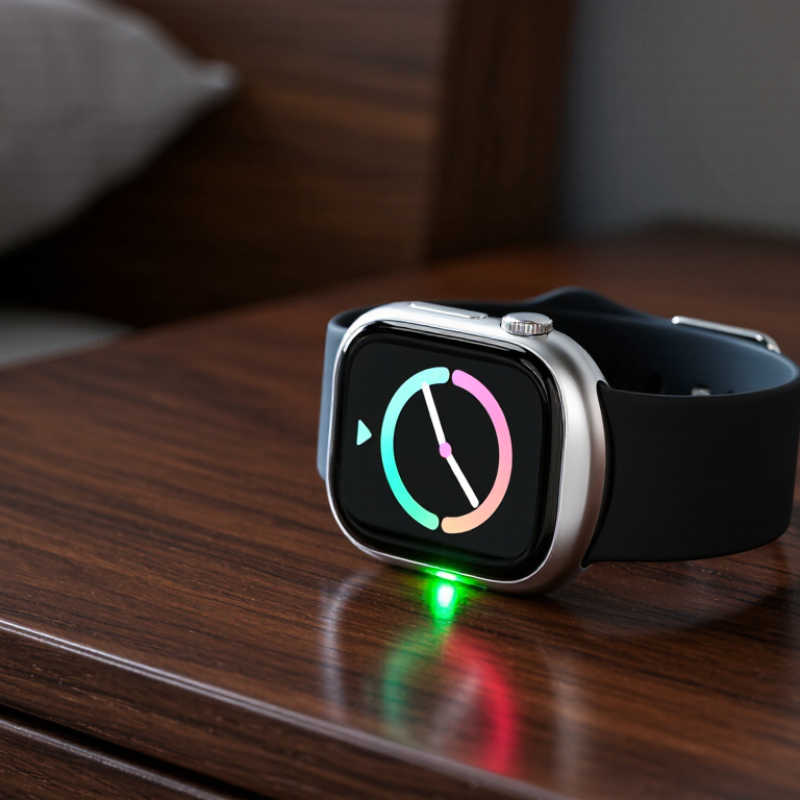
A Blood Oxygen Tracker Watch is a wearable device that estimates blood oxygen saturation, usually shown as SpO₂, through optical sensors beneath the case. Green and red light pass into the skin, while algorithms interpret reflected signals. On a dark bedside table, the watch may display “98%” within seconds. That number looks precise. It is only an estimate.

Industry research shows why this category attracts attention. Grand View Research identifies rising demand for wearable health monitoring and expects the global pulse oximeter market to expand through 2030. IDC’s Worldwide Quarterly Wearable Device Tracker also reports hundreds of millions of wearable devices shipped globally each year. Growth is obvious. Accuracy is less simple.

FDA medical-device expert Dr. William Maisel has warned, “Pulse oximeters have limitations and a risk of inaccuracy under certain circumstances.” Skin temperature, movement, loose fit, poor circulation, and sensor design can affect readings. Some studies have also raised concerns about differences in accuracy across skin tones. A responsible Blood Oxygen Tracker Watch should support observation, not replace clinical assessment.

This guide explains the technology, readings, benefits, and limitations. It also separates wellness features from medical claims. A watch can reveal a nighttime pattern or an unusual drop. It cannot explain the cause. That distinction matters.

The evidence is promising, but imperfect. Users should compare repeated readings with symptoms and professional advice. A single number should never create false reassurance.
What Is a Blood Oxygen Tracker Watch?

Definition and Core Function of a Blood Oxygen Tracker Watch

What Is a Blood Oxygen Tracker Watch?

A blood oxygen tracker watch is a wearable device that estimates blood oxygen saturation, commonly called SpO2. It uses red and infrared light sensors against the skin. These sensors examine how blood absorbs different wavelengths of light. The watch then displays an estimated percentage on its screen or mobile application.

Its core function is continuous or occasional oxygen monitoring. During rest, sleep, exercise, or altitude changes, it can show patterns in oxygen levels and pulse rate. This information may help users notice unusual changes. However, the reading is an estimate, not a medical diagnosis. Movement, loose placement, cold skin, sweat, tattoos, and poor sensor contact can reduce accuracy. Even experienced users may misread a single result. That matters.

Tips: Wear the watch firmly, but not tightly. Keep the sensor and skin clean and dry. Sit still for several seconds before measuring. Compare repeated readings, rather than trusting one number. Check whether the watch reports a successful measurement. If readings remain unusually low or symptoms appear, contact a qualified healthcare professional and use approved medical equipment when advised. Calibration, sensor quality, and personal health conditions can affect results, so the watch should support informed tracking, not replace clinical assessment.

How the Watch Measures Blood Oxygen Levels

What Is a Blood Oxygen Tracker Watch?

How the Watch Measures Blood Oxygen Levels

A blood oxygen tracker watch estimates oxygen saturation through light, not a blood sample. On its underside, red and infrared LEDs shine into the skin. A photodetector records how much light returns. Oxygen-rich and oxygen-poor blood absorb these wavelengths differently. The watch compares these changes with each heartbeat. Its software then produces an SpO2 estimate, usually shown as a percentage. This process is called pulse oximetry. It sounds simple. It is not.

During a quiet reading, the watch needs steady contact with your wrist. Movement can confuse the sensor. A loose band may also weaken the signal. Cold skin, sweat, tattoos, and individual skin characteristics can affect results. The algorithm uses stored calibration data, so the number is an estimate rather than a direct measurement. A reading of 98% may look precise, but precision does not guarantee accuracy. I once assumed a single low result meant a health problem. Resting for several minutes produced a different number.

For better tracking, sit still and keep the watch snug, without making it uncomfortable. Take several readings under similar conditions. Look for repeated patterns instead of reacting to one unusual result. These watches can support personal awareness, especially during sleep or exercise. They cannot replace a clinical pulse oximeter or professional evaluation. Persistent low readings, breathing difficulty, chest pain, or unusual weakness require prompt medical attention. The technology is useful, but its limits matter.

What Is a Blood Oxygen Tracker Watch?

A blood oxygen tracker watch estimates blood oxygen saturation (SpO₂) by shining red and infrared light into the skin and analyzing how much light is absorbed by oxygenated and deoxygenated hemoglobin.

The chart shows commonly used adult SpO₂ interpretation bands. Readings may be affected by movement, cold skin, loose fit, poor circulation, skin contact, or nail products. These ranges are for general information and are not a medical diagnosis.

Key Features and Health Metrics It Can Monitor

What Is a Blood Oxygen Tracker Watch?

A blood oxygen tracker watch estimates oxygen saturation, or SpO2, through optical sensors on the wrist. It shines light into the skin and analyzes reflected signals. The watch may also monitor heart rate, resting heart rate, respiratory rate, sleep stages, and daily activity. Some models record skin temperature and heart-rate variability. These measurements can reveal patterns, such as a higher nighttime pulse or unusual breathing changes. They are useful clues, not medical diagnoses.

Tips: Wear the watch firmly, but not painfully, above the wrist bone. Keep your arm still during a reading. Cold skin, loose contact, movement, tattoos, and poor sensor placement can distort results. Compare readings at similar times each day. One low number may mean little. Repeated changes deserve more attention. A qualified healthcare professional should assess concerning symptoms or persistent abnormal readings.

Accuracy is not perfect. Wrist-based oxygen estimates can differ from clinical equipment, especially during exercise or restless sleep. The feature may also miss short changes between measurements. This is easy to overlook. Check whether the watch explains its measurement method and displays trends clearly. Reliable tracking depends on regular wear, realistic expectations, and careful interpretation. A watch can support health awareness, but it cannot replace professional testing, medical history, or clinical judgment.

Understanding Blood Oxygen Readings and Their Limitations

What Is a Blood Oxygen Tracker Watch?

Understanding Blood Oxygen Readings and Their Limitations

A blood oxygen tracker watch uses light sensors to estimate oxygen saturation, often shown as SpO2. It shines light into the skin and studies changes in reflected light. The result is an estimate, not a direct blood sample. A reading can help you notice patterns during sleep, exercise, or rest. It cannot explain why oxygen levels change.

The limitations matter. Loose contact, movement, sweat, cold fingers, and poor circulation may distort the result. Skin characteristics and sensor design can also affect accuracy. A single low reading may be a measurement error. That sounds precise, but it is not. Recheck while sitting still, with warm skin, and with the watch positioned correctly. If low readings continue, or you have breathing difficulty, chest pain, confusion, or blue-tinged lips, seek prompt medical care. Do not use a watch reading to diagnose a condition or replace professional advice. Even healthy readings can vary with altitude, sleep position, and recent activity.

Tips: Check trends at similar times rather than reacting to one number. Keep the sensor clean and comfortably snug. Compare unusual results with a medically approved fingertip pulse oximeter when appropriate. Record symptoms beside each reading. Numbers without context can mislead.

Safety Considerations and Appropriate Uses

What Is a Blood Oxygen Tracker Watch?

Safety Considerations and Appropriate Uses

A blood oxygen tracker watch estimates oxygen saturation through light sensors against the skin. It may also record pulse rate and changes during sleep or exercise. In practice, readings can vary with movement, loose straps, cold fingers, darker surroundings, or poor skin contact. Nail products and sweat may interfere too. A single number is not a diagnosis.

Use the watch for general awareness, not medical decisions. Sit quietly for several minutes before checking. Keep your arm still and make sure the sensor fits comfortably. Compare repeated readings at similar times, rather than reacting to one unusual result. Trends can offer useful context for a clinician, especially when paired with symptoms and medical history.

Do not rely on the device during breathing difficulty, chest pain, confusion, fainting, or blue-colored lips. Seek urgent medical care instead. A normal reading can feel reassuring, but it may occasionally be inaccurate. That weakness deserves attention. Consumer watches are not always validated for every person, altitude, activity, or health condition. People with lung or heart disease should ask a qualified healthcare professional how to interpret readings. I would also question any sudden change before assuming the watch is correct. Device data helps conversations; it should not replace examination, approved medical equipment, or professional judgment.

What Is a Blood Oxygen Tracker Watch? - Safety Considerations and Appropriate Uses
Data Dimension What the Watch Tracks or Provides Evidence-Based Interpretation Appropriate Uses Safety Considerations and Limitations
Blood Oxygen Saturation (SpO₂) Estimates the percentage of hemoglobin carrying oxygen, usually through optical sensors that emit and detect light at the wrist. For many healthy adults at sea level, a resting SpO₂ reading is commonly about 95%–100%. Individual results may differ because of altitude, health conditions, and measurement quality. Monitoring general wellness trends, observing changes during rest or sleep, and sharing repeated readings with a healthcare professional when appropriate. It is an estimate, not a diagnosis. Wrist readings may be less reliable than a clinically validated fingertip pulse oximeter. Do not use a single watch reading to confirm or rule out illness.
Reading Trend Displays repeated measurements over time, such as daily, overnight, or activity-related patterns. A consistent change from a person’s usual level can be more informative than one isolated result, especially when symptoms are also present. Identifying personal patterns, discussing possible changes with a clinician, and supporting adherence to an existing care plan. Trends can be affected by loose fit, skin contact, movement, cold hands or arms, poor circulation, and software or sensor differences. Trends should not replace clinical monitoring.
Heart Rate Estimates pulse rate using optical detection of blood-volume changes in the wrist. Resting heart rate varies with age, fitness, stress, temperature, medications, illness, and activity. A normal value is not identical for everyone. Tracking exercise response, recovery, and personal patterns when the device is worn correctly. Irregular rhythms, motion, tattoos, loose placement, and poor skin contact can reduce accuracy. Seek urgent care for severe symptoms such as chest pain, fainting, or serious breathing difficulty, regardless of the displayed number.
Sleep Oxygen Pattern May estimate overnight oxygen levels and identify periods of lower readings or signal loss. Repeated abnormal patterns may warrant professional evaluation, but a watch cannot diagnose sleep apnea or another breathing disorder. Providing supplementary information to a clinician when there is loud snoring, witnessed breathing pauses, excessive daytime sleepiness, or unexplained morning headaches. Short dips can result from movement or poor sensor contact. Do not change treatment, stop prescribed oxygen, or rely on the watch alone for sleep-disorder diagnosis.
Activity and Exercise Combines oxygen estimates with movement, exercise duration, and heart-rate data. Temporary changes during strenuous activity can occur. Interpretation depends on exercise intensity, fitness, altitude, and medical history. Observing training patterns, pacing activity, and discussing unusual exercise-related symptoms with a qualified professional. Stop exercising and seek medical advice if symptoms such as severe breathlessness, dizziness, fainting, confusion, or chest discomfort occur. Do not exercise through concerning symptoms to improve a device reading.
Low Reading at Rest May show a value below the user’s typical resting level. A repeated reading below 95% may be abnormal for some people, although altitude and chronic lung or heart conditions can change expected values. A reading at or below 90% is generally considered potentially serious. Recheck carefully while sitting still, warming the hand or arm, securing the watch, and following any personalized instructions from a healthcare professional. If a low reading persists, or if there are breathing difficulties, blue or gray lips, confusion, severe weakness, or chest pain, seek urgent medical care. Symptoms matter more than the watch display alone.
Measurement Quality May provide a signal-quality indicator or show missing, unstable, or delayed values. A stable reading obtained while still and properly fitted is generally more useful than a rapidly changing value during movement. Improving measurement technique before recording a result or sharing it with a clinician. Keep the sensor clean, wear the watch snugly without excessive pressure, remain still, and wait for a stable result. Cold skin, poor circulation, motion, and ambient light can interfere with optical measurements.
Skin Tone and Sensor Factors Uses light-based sensing that can be influenced by the optical path between the device and the skin. Performance may vary across devices and conditions. Differences between a watch and a clinical instrument do not automatically indicate a health change. Using the device as supplementary information while recognizing that validation and accuracy can vary by model and user conditions. Do not assume a normal-looking result is accurate if symptoms are present. Confirm concerning results with a clinically validated device or professional assessment when advised.
Medical Decision-Making Offers consumer wellness data rather than a complete clinical assessment. Diagnosis requires symptoms, medical history, examination, and—when necessary—validated medical equipment and laboratory or imaging tests. Supporting conversations with healthcare professionals and recording dates, times, symptoms, and repeated readings. Do not use a tracker watch to diagnose disease, adjust medication, determine fitness for emergencies, or delay professional care. Follow the instructions provided by a healthcare professional.

FAQS

How does a blood oxygen tracker watch measure oxygen levels?

Red and infrared lights shine into your skin. A sensor measures returning light and estimates SpO2.

Is the watch reading a direct blood measurement?

No. It uses pulse oximetry and software calculations, not a blood sample. The percentage is an estimate.

Why can movement affect the reading?

Movement changes sensor contact and reflected light. Sit quietly with your wrist supported during measurement.

How should I wear the watch for a better reading?

Keep the sensor clean and comfortably snug. Tighten it slightly, but avoid pressure or discomfort.

What conditions may distort the result?

Sweat, cold skin, loose contact, tattoos, poor circulation, and individual skin features may affect accuracy.

Should I worry about one unusually low reading?

Not immediately. Rest for several minutes, warm your skin, and repeat the measurement under similar conditions.

What is more useful than watching one number?

Track repeated readings at similar times. Record exercise, sleep, altitude, and symptoms beside each result.

Can this watch diagnose a health condition?

No. It cannot explain changing oxygen levels or replace professional evaluation and approved medical equipment.

When should I seek medical attention?

Seek prompt care for persistent low readings, breathing difficulty, chest pain, confusion, unusual weakness, or blue-tinged lips.

Can a normal reading guarantee that everything is fine?

No. A normal percentage may miss other problems. I might trust one number too much, and that is a mistake.

Conclusion

A Blood Oxygen Tracker Watch is a wearable device designed to estimate the amount of oxygen carried in the blood, commonly shown as an SpO₂ percentage. It typically uses light sensors on the wrist to analyze changes in blood flow and provide a convenient reading. In addition to oxygen estimates, many watches can monitor heart rate, breathing rate, sleep patterns, activity levels, and sometimes stress indicators. These features may help users understand general wellness trends and notice changes that deserve attention.

Blood oxygen readings can vary because of movement, loose placement, cold skin, skin characteristics, or an imperfect sensor connection. A single result should not be treated as a diagnosis, and the watch is not a replacement for professional medical equipment or advice. Users should take measurements while resting, follow the device instructions, and consider repeated unusual readings alongside symptoms. Anyone experiencing breathing difficulty, chest discomfort, confusion, or other serious concerns should seek prompt medical care rather than relying on the watch alone.

Charlotte

Charlotte

Charlotte is a professional marketing specialist with a strong understanding of the company’s products, customers, and industry trends. With a background in strategic communication, market research, and content development, she is dedicated to presenting complex product information in a clear,......