

INSIGHTS & INNOVATIONS
Latest industry updates, health wearable trends, and kids safety technology guides from iTIME.
What Is a Vital Signs Monitoring Wearable?
What Is a Vital Signs Monitoring Wearable? A Vital Signs Monitoring Wearable is a body-worn device that tracks selected health measurements throughout daily life. It may use optical sensors, skin electrodes, temperature sensors, or motion detection. Common readings include heart rate, blood oxygen levels, skin temperature, and breathing patterns. Some devices estimate blood pressure, but accuracy can vary between models and users.
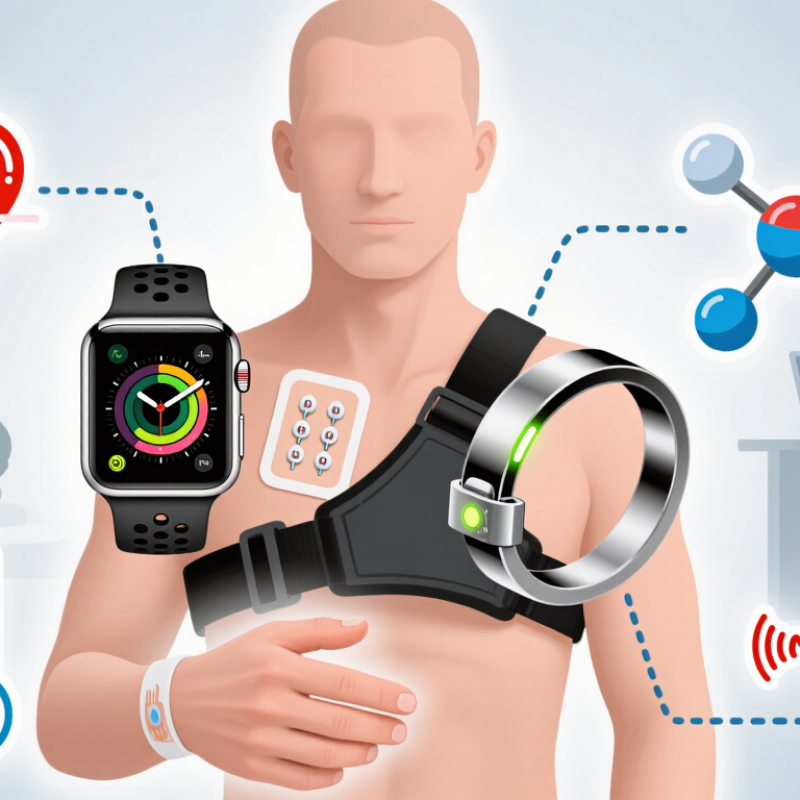
In practice, the device may appear as a watch, patch, ring, chest strap, or clinical monitor. A watch can flash a gentle alert after detecting an unusual heart-rate pattern. A patch may record data while someone sleeps, exercises, or recovers at home. These measurements can help users notice trends and share clearer information with healthcare professionals. However, the device does not replace a medical examination, diagnostic test, or professional judgment. Sensor placement, movement, sweat, darker tattoos, loose contact, and battery limits may affect results. Small errors matter.
That deserves attention.
Reliable monitoring depends on tested hardware, transparent algorithms, secure data handling, and clear instructions. Reputable manufacturers should explain how their devices were evaluated and where their limits remain. Healthcare teams may also need context, such as medication use, symptoms, age, and existing conditions. A single alert is not always an emergency, while a normal reading cannot guarantee wellness. The most useful approach combines wearable data with personal experience and qualified medical advice. This article explores how these devices work, what they measure, and where their promises may exceed the evidence. Some features sound impressive. Not every claim is equally dependable.
Definition and Purpose of Vital Signs Monitoring Wearables
What Is a Vital Signs Monitoring Wearable?
A vital signs monitoring wearable is a body-worn device that tracks measurable signs of health. It may record heart rate, breathing rate, skin temperature, blood oxygen levels, or blood pressure. Small sensors collect readings through the wrist, chest, finger, or skin. The device then sends data to a screen or clinical system.
Its main purpose is continuous observation between occasional medical checks. A clinician can review changing patterns, such as a rising resting heart rate or repeated low oxygen readings. This information may support earlier assessment, safer recovery, and better-informed care decisions. It can also help users notice changes during exercise, sleep, or daily activity.
It is not magic.
Reliable use depends on sensor quality, proper positioning, regular calibration, and clear interpretation. A loose strap can distort readings. Sweat, movement, cold skin, and poor contact may also create unusual results. Data needs context. A single alert does not always indicate illness, and a normal reading cannot rule out every problem. Healthcare professionals should compare wearable data with symptoms, medical history, and approved clinical measurements. In practical settings, these devices are useful tools, but they still have limits. Their convenience can sometimes encourage overconfidence, especially when users treat estimates as final diagnoses. A careful review remains necessary.
Key Vital Signs Measured by Wearable Devices
What Is a Vital Signs Monitoring Wearable?
A vital signs monitoring wearable is a body-worn device that tracks physiological signals during daily activities. It may use optical sensors, temperature sensors, motion detection, or electrical signals. These tools can show patterns that are easy to miss manually. However, readings are not equally reliable in every situation.
Key Vital Signs Measured by Wearable Devices
Heart rate is commonly measured through changes in blood flow. Some devices also record heart rhythm using an electrocardiogram feature. Blood oxygen saturation may indicate how well oxygen moves through the blood. Respiratory rate can reveal changes during sleep, exercise, or illness. Skin temperature is useful for observing trends, but it does not equal core body temperature. Blood pressure readings from wearables are often estimated and need careful validation. Motion, loose contact, cold skin, and sweat can distort results. Real-world testing is still imperfect. That matters.
Tips: Wear the device securely, but not tightly. Keep the sensor clean and dry. Compare unusual readings with symptoms and trusted medical equipment. Record repeated patterns instead of reacting to one number. A sudden concern deserves professional advice, especially with chest pain, severe breathlessness, confusion, or fainting. Use the data as supporting evidence, not a diagnosis.
How Wearable Vital Signs Monitoring Works
A vital signs monitoring wearable uses small sensors to track body signals during daily activities. Its main purpose is to observe changes over time, not replace a medical examination.
How Wearable Vital Signs Monitoring Works
Light-based sensors shine into the skin and measure blood volume changes with each heartbeat. This method can estimate heart rate and blood oxygen levels. Some devices also use electrical sensors to record heart rhythm. A temperature sensor may detect skin temperature changes, while an accelerometer identifies movement, posture, and exercise intensity.
The device collects readings every few seconds or minutes. Software then removes noise caused by walking, loose contact, or sudden arm movement. Algorithms compare new measurements with personal patterns and may send alerts when unusual changes continue. For example, a rising heart rate during quiet sitting deserves more attention than the same rate after climbing stairs.
The weak point is motion.
A loose strap can distort readings. Sweat, cold skin, darker environments, and poor sensor placement may also affect accuracy. In practical use, I would check the fit before trusting an unusual result. A wearable reading is useful evidence, but it is not a diagnosis. Reliable systems need clinical testing, clear measurement limits, regular calibration, and secure data handling. Even then, a single number can mislead without context, symptoms, and professional interpretation.
What Is a Vital Signs Monitoring Wearable? - How Wearable Vital Signs Monitoring Works
| Vital Sign | What It Measures | Common Wearable Sensor or Method | Typical Adult Resting Reference | How the Data Is Used | Important Limitations |
|---|---|---|---|---|---|
| Heart Rate | The number of heartbeats per minute. | Optical photoplethysmography (PPG) uses changes in blood volume to estimate pulse rate. Some devices also use electrical electrodes for electrocardiography (ECG). | Usually 60–100 beats per minute for a resting adult. | Tracks resting trends, exercise response, recovery, and possible irregular-rate alerts. | Motion, loose fit, skin contact, temperature, and low blood flow can reduce accuracy. A pulse-rate reading does not diagnose a heart condition. |
| Blood Oxygen Saturation (SpO2) | The estimated percentage of hemoglobin carrying oxygen in arterial blood. | Pulse oximetry uses red and infrared light absorption through or against the skin. | Commonly about 95–100% at sea level in healthy adults. | Provides spot checks or trend information during rest, sleep, exercise, or respiratory monitoring. | Readings may be affected by motion, cold fingers, poor circulation, sensor placement, skin characteristics, nail products, and altitude. It should not replace clinical assessment. |
| Respiratory Rate | The number of breaths taken per minute. | Algorithms infer breathing from PPG waveform changes, heart-rate variability, chest movement, accelerometers, or changes in bioimpedance. | Generally 12–20 breaths per minute for a resting adult. | Monitors breathing trends during rest and sleep and may identify changes from a personal baseline. | It is often an indirect estimate and can be affected by movement, talking, posture, anxiety, and algorithm performance. |
| Body Temperature | The temperature of the body or the skin surface, depending on the sensor location. | Thermistors, temperature-sensitive integrated circuits, or infrared sensors measure skin or near-skin temperature. | Typical internal body temperature is approximately 36.1–37.2°C, although it varies by person, time, and measurement site. | Identifies personal temperature trends and may support wellness, sleep, or illness monitoring. | Skin temperature is not equivalent to core temperature. Ambient temperature, exercise, clothing, sweat, and device placement can change the reading. |
| Blood Pressure | The pressure of circulating blood against artery walls, reported as systolic and diastolic pressure. | Some wearables use an inflatable cuff. Cuffless systems estimate pressure from PPG, ECG, pulse-transit time, or related signals and usually require calibration. | A normal adult office reading is below 120/80 mmHg, according to commonly used clinical categories. | Supports repeated measurements and long-term trend tracking when the device is validated and used correctly. | Cuffless estimates can vary with posture, movement, vascular changes, and calibration. Wearable readings should not be used alone to diagnose or manage hypertension. |
| Electrocardiogram (ECG) | The electrical activity of the heart over time. | Electrical electrodes record a single-lead or limited-lead ECG when the user completes a measurement. | A normal rhythm is typically regular, with a resting adult rate commonly between 60 and 100 beats per minute. | Can display rhythm waveforms and help flag possible irregular rhythms for professional review. | A wearable ECG is not the same as a clinical 12-lead ECG. Poor contact, motion, and electrical interference can create artifacts. |
| Activity and Motion Context | Movement, activity intensity, posture, and periods of rest or sleep. | Accelerometers, gyroscopes, and software algorithms classify motion and provide context for vital-sign readings. | No universal resting reference; results are interpreted against the user's activity and personal baseline. | Helps distinguish exercise-related changes from resting changes and improves interpretation of continuous measurements. | Step counts, activity labels, and calorie estimates are indirect calculations and may differ between devices and users. |
Note: Wearable vital-sign monitors are designed primarily for wellness tracking, screening, or trend observation unless they have been specifically validated and authorized for a medical purpose. Unexpected or concerning readings should be confirmed with an appropriate clinical device and discussed with a qualified healthcare professional.
Common Device Types and Their Applications
What Is a Vital Signs Monitoring Wearable?
Common Device Types and Their Applications
Vital signs monitoring wearables collect body signals during daily life. Wrist devices commonly track heart rate, skin temperature, blood oxygen, and movement. Chest straps often capture heart rhythm during exercise with stronger signal quality. Smart patches can monitor ECG, temperature, or respiration for longer periods. Rings offer discreet overnight tracking, but their smaller sensors may limit accuracy.
Applications vary by setting. Athletes use chest sensors to monitor training intensity and recovery. Hospitals may use patches for remote observation after discharge. Older adults can use wrist devices to identify unusual pulse patterns or falls. The IDC Worldwide Quarterly Wearable Device Tracker reported 537.1 million wearable shipments globally in 2024. Deloitte’s 2024 Connected Consumer Survey also found that 41% of U.S. consumers owned a smartwatch or fitness tracker. These figures show broad adoption, not guaranteed medical value. A reading can look precise and still be wrong.
Tips: Check whether the device has clinical validation for its intended measurement. Compare unusual readings with a validated medical instrument. Keep the sensor clean and snug. Do not treat one alert as a diagnosis. Motion, loose contact, tattoos, and cold skin can affect results. This matters more than many users expect. Data privacy also deserves attention; review storage, sharing, and deletion settings before regular use.
Benefits, Limitations, and Safety Considerations
What Is a Vital Signs Monitoring Wearable?
Benefits, Limitations, and Safety Considerations
A vital signs monitoring wearable uses skin sensors to track measurements such as heart rate, temperature, oxygen saturation, or breathing patterns. In daily life, it may show changes during sleep, exercise, recovery, or illness. This continuous view can help users notice patterns that occasional checks miss. It may also support remote care by sharing useful readings with qualified healthcare professionals. Small changes can matter.
However, wearable readings are estimates, not automatic diagnoses. Movement, loose contact, sweat, darker environments, cold skin, and low battery power can affect accuracy. Some devices may display a reassuring number during a serious problem. Others may create unnecessary worry after a harmless variation. The technology is helpful, but imperfect. A practical user should question unusual results rather than trusting them blindly.
Safety requires careful interpretation and sensible use. Follow the device instructions, keep sensors clean, and check whether the fit feels secure without causing skin irritation. Do not rely on a wearable to replace medical assessment, prescribed treatment, or emergency support. Seek professional advice when symptoms appear, even if the screen looks normal. Data handling also deserves attention; users should understand what information is collected, stored, and shared. Alerts need review, too. Too many false alarms can cause fatigue, and missed notifications can create dangerous confidence. Vital signs deserve context, not just numbers.
FAQS
It is a body-worn device that tracks signals such as heart rate, temperature, oxygen saturation, and breathing patterns. It may use optical sensors, motion detection, or electrical signals. The small screen shows trends during sleep, exercise, or recovery.
Many devices measure heart rate and blood oxygen saturation. Some estimate respiratory rate, skin temperature, or blood pressure. They may also record heart rhythm through an electrical sensor. Results differ between devices and situations.
No. Wearable readings are estimates, not automatic diagnoses. A normal number can still appear during a serious problem. Symptoms and professional assessment remain important.
Movement, loose contact, sweat, cold skin, and low battery power can distort results. A dirty sensor may also produce confusing numbers. Real-world accuracy is still imperfect.
Wear it securely, but do not make it painfully tight. Keep the sensor clean and dry. Check the fit during exercise and daily movement. Small adjustments can change the result.
No. Skin temperature reflects the surface of the body. Cold air, warm rooms, or blankets can change it quickly. It is more useful for observing trends than confirming a fever.
Do not react to one number alone. Repeat the measurement and compare it with symptoms or trusted medical equipment. I might worry too quickly, but repeated patterns deserve attention. Context matters.
Consider how you feel, then seek professional advice when the result remains unusual. Chest pain, severe breathlessness, confusion, or fainting need urgent attention. Do not wait for the screen to become alarming.
It may help qualified healthcare professionals review changes over time. Records from sleep, exercise, or recovery can provide useful context. The data should support care, not replace assessment or prescribed treatment.
Check what information the device collects, stores, and shares. Review alert settings and data permissions carefully. Too many false alarms can cause fatigue. Missed notifications can create dangerous confidence.
Conclusion
A Vital Signs Monitoring Wearable is a compact electronic device designed to track selected body signals continuously or at regular intervals. Its main purpose is to help users understand changes in their health and provide useful information for personal wellness, remote observation, or clinical support. Depending on the device, it may measure heart rate, blood oxygen saturation, skin temperature, respiratory rate, blood pressure estimates, and physical activity. These measurements can help identify trends, support early awareness of unusual changes, and encourage healthier daily habits.
Most devices use sensors that detect signals through the skin, movement, light absorption, or electrical activity, then process the data through built-in software. Common forms include wrist-worn devices, patches, rings, chest straps, and specialized monitors used in care settings. Their advantages include convenience, continuous monitoring, and easy data access. However, readings may be affected by movement, poor contact, skin conditions, battery limitations, or inaccurate calibration. They should not replace professional diagnosis, and users should protect their data, follow usage instructions, and seek qualified medical advice when concerning symptoms occur.

Blog Tags: