CE Certified Low Power Smartwatches & Safety Wearables
High-performance, low-power consumption connected devices tailored for kids' safety, senior medical assistance (PERS), and enterprise lone worker tracking. Fully certified for EU & global distribution.
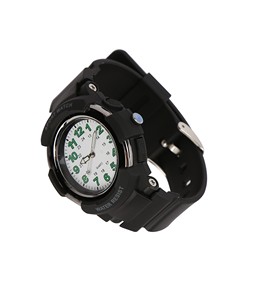
Kids Anti-Lost Dual System Tracker Bracelet
- Standby Power: < 15uA Ultra-Low
- Compatibility: iOS Find My & Android
- Certification: CE RED / RoHS / FCC
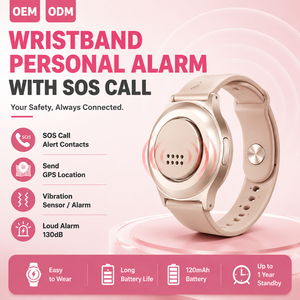
130dB Safe Sound SOS Watch with Fall Detection
- Battery Life: 7-10 Days Active
- Sensor Architecture: 3-Axis Accel + GPS
- Emergency Alert: SMS / Call Trigger
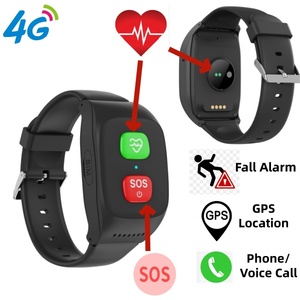
4G Senior Smartwatch with Heart Rate & Fall Alert
- Power Optimization: eDRX & PSM Mode
- Water Resistance: IP67 Waterproof
- Health Sensors: PPG HR + SpO2
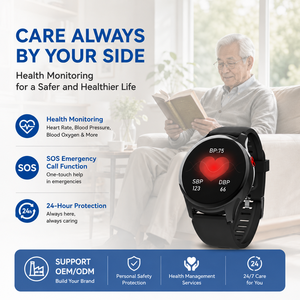
Elderly 4G Waterproof Tracker with Geofencing
- Cell Capacity: 680mAh High-Density
- Positioning: GPS/Beidou/LBS/WiFi
- Safety Features: Geofence + One-Key SOS
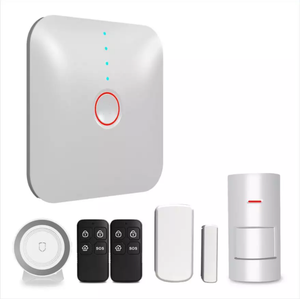
Wireless Emergency Medical Alert Senior Smartwatch
- Cellular Module: Low-Power 4G VoLTE
- Fall Algorithm: AI 9-Axis Impact Detect
- CE Directive: RED 2014/53/EU Compliant
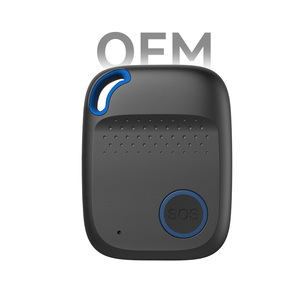
4G LTE Industrial Lone Worker PERS Alarm Watch
- Battery Capacity: 950mAh (Up to 14 Days)
- Voice Comms: Two-Way HD Calling
- Target Users: Enterprise & Medical Care
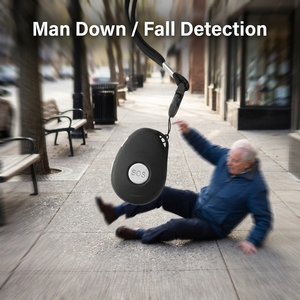
4G Waterproof GPS Tracking Pendant & Watch Combo
- Enclosure Rating: IP68 Submersible
- Form Factor: Watch Case + Keychain
- Power Management: Smart Sleep Wake-Up
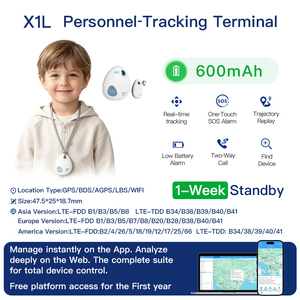
Wholesale Ultra-Long Standby Waterproof GPS Locator
- Tracking Mode: Extended 1-Year GPRS
- Multi-Tech: GPS + GSM + WiFi
- OEM Wholesale: Custom Logo & Firmware
Architectural Principles of Low Power Consumption in CE-Certified Smartwatches
An in-depth technical analysis for B2B procurement teams, electronics engineers, and OEM brand owners on balancing cellular connectivity, bio-sensor accuracy, and battery longevity under strict European compliance.
1. Microcontroller Architecture & Dynamic Power Scaling
The foundation of low power consumption in modern smartwatches lies in selecting ultra-low-power MCU architectures, such as ARM Cortex-M33 or Ambiq Apollo Apollo4 Blue processors. By utilizing Subthreshold Power Optimized Technology (SPOT), these microcontrollers execute complex health sensor fusion and background algorithm computations while consuming fractional microamps per megahertz (μA/MHz).
Through Dynamic Voltage and Frequency Scaling (DVFS), the system automatically transitions between active operational frequencies (up to 192MHz during active voice calls or GPS locking) and deep-sleep sub-GHz states (<2.5μA retention mode), reducing thermal dissipation and preserving battery charge cycles.
2. 4G LTE-M / NB-IoT Telematics Power Management
Cellular wearables historically suffered from rapid battery drain during network signaling. Modern CE-certified safety smartwatches employ eDRX (Extended Discontinuous Reception) and PSM (Power Saving Mode) standardized under 3GPP Release 13/14 protocols.
In PSM mode, the smartwatch's cellular modem enters a dormant state where it consumes less than 3.5uA while remaining registered to the network. This enables emergency panic devices and senior SOS bracelets with 680mAh to 950mAh lithium-polymer cells to deliver standby durations from 7 days to over 30 days without compromising real-time emergency responsiveness.
Low Power Consumption Operational Benchmarks
Technical Parameter Matrix: Standard vs. Low-Power CE Certified Smartwatches
Comparing architectural parameters required for European CE RED compliance and optimized B2B enterprise procurement.
| Engineering Feature | Standard Consumer Smartwatch | iTIME CE Certified Low Power Wearable | B2B Procurement Advantage |
|---|---|---|---|
| Main Processor | Dual-Core Application Processor | ARM Cortex-M33 + Subthreshold MCU | Reduces core power draw by 70-80% in idle mode |
| Cellular Protocol | Standard 4G VoLTE (High Bandwidth) | 4G LTE Cat-M1 / NB-IoT / eDRX | Extends battery life up to 5x during background tracking |
| GNSS Positioning | Continuous Active GPS Sampling | Adaptive Multi-Constellation (GPS/Beidou/WiFi) | Intelligent duty cycling based on motion detection |
| Battery Chemistry | Standard Li-Ion (300 Cycle life) | High-Density Pure Cobalt Silicon-Anode Li-Po | Sustains capacities under extreme thermal range (-20°C to 60°C) |
| CE Regulatory Testing | Basic EMC / LVD Compliance | Full CE RED (2014/53/EU), EN 62209 SAR, RoHS/REACH | Zero friction customs clearance across all EU member states |
Future Procurement Trends & Product Innovation in Wearables
Strategic foresight for global brand managers, procurement directors, and telecommunications operators preparing for 2025–2030 smart device distribution.
1. Convergence of Medical-Grade Sensors & Consumer Design
Enterprise buyers are moving away from single-purpose medical alert pendants toward stylish, dual-purpose smartwatches. Sourcing trends prioritize devices with multi-wavelength optical PPG sensors capable of continuous Blood Oxygen (SpO2), ECG pulse waveform analysis, skin temperature monitoring, and AI-driven fall detection algorithm accuracy.
2. Universal eSIM & Low-Power Wide Area Networks (LPWAN)
Physical SIM card slots increase hardware footprint and risk ingress during IP68 water resistance testing. Future B2B smartwatch procurement heavily heavily favors eSIM (Embedded SIM) and iSIM (Integrated SIM) architectures, enabling over-the-air (OTA) carrier provisioning across global cellular networks without physical inventory modifications.
3. On-Device Edge AI & Privacy Preservation
Transmitting raw bio-sensor streams to the cloud incurs immense cellular power penalties and raises European GDPR privacy concerns. Next-generation low-power smartwatches integrate TinyML micro-neural networks directly onto the MCU core, processing local fall alerts and arrhythmia detection onboard with zero cloud bandwidth tax.
Why Global Retailers Trust iTIME / Accutime Watch Corp
Combining 30+ years of traditional watchmaking heritage with world-class smart wearable software engineering and ISO-certified manufacturing infrastructure.
State-of-the-Art SMT Lines & Cleanroom Assembly
Our automated Surface Mount Technology (SMT) production lines maintain high precision yields for multi-layer PCBAs equipped with micro-BGA components. Assembled inside Class 10,000 dust-free cleanrooms, every smartwatch undergoes 100% automated optical inspection (AOI), RF spectrum analyzer tuning, and high-pressure IP68 water submersion testing.
- ISO 9001 & ISO 13485 Certified Facility
- 100% High-Pressure Waterproof Chamber Testing
- In-House CE RED & FCC Compliance Testing Labs
Full-Turnkey OEM / ODM White-Label Customization
We empower B2B buyers with comprehensive customization spanning industrial design (ID), mechanical tooling, embedded firmware customization, SDK/API cloud integration, and custom retail packaging.
- Custom OS & UI Branding: Boot logos, watch faces, custom language localizations.
- Cloud Server API Binding: Restful APIs and MQTT protocol integration for AWS/Azure.
- Global Logistics: New York headquarters with direct international hub fulfillment.
Partner with a Certified Low-Power Wearable Manufacturer
Whether you require white-label 4G senior safety watches, kid tracker bracelets, or custom bio-sensor hardware, our engineering team delivers rapid prototyping and mass production reliability.
Frequently Asked Questions for Sourcing CE Certified Smartwatches
Essential answers regarding European CE certifications, battery safety compliance, minimum order quantities (MOQ), and quality assurance standards.
To legally market smartwatches in the European Economic Area (EEA), the device must comply with the Radio Equipment Directive (RED) 2014/53/EU. This includes RF spectrum testing (EN 300 328 for BLE/WiFi, EN 301 908 for 4G LTE), Electromagnetic Compatibility (EMC - EN 301 489), Low Voltage / Electrical Safety (EN 62368-1), and Specific Absorption Rate (SAR - EN 62209-2 / EN 50566) testing for human body exposure. Additionally, environmental standards such as RoHS (2011/65/EU) and REACH are mandatory.
We achieve high energy density by combining silicon-anode cobalt lithium-polymer batteries with hardware-level sub-GHz power management. Our firmware implements adaptive sensor polling (e.g., dynamic sampling rates for PPG and accelerometer) alongside 3GPP eDRX/PSM cellular sleep protocols, allowing high battery capacities (up to 950mAh) within compact, ergonomic watch chassis profiles suitable for children and seniors.
Our standard wholesale MOQ for ready-to-ship catalog models starts at 500 to 1,000 units. For full OEM custom branding (custom logo printing, customized firmware, packaging, and colorways), the typical MOQ is 2,000 units. Prototyping samples can be dispatched within 7–10 days, with full mass production completed in 30–45 days following artwork sign-off and deposit confirmation.
Every smartwatch shipment is fully supported by UN38.3 lithium battery transport safety reports, Material Safety Data Sheets (MSDS), and 1.2m drop test compliance certificates. This documentation guarantees hassle-free air freight (IATA) and sea freight cargo clearance through global customs checkpoints.
Yes. We supply B2B clients with open API documentation, TCP/UDP protocol specifications, and MQTT integration guides. Our engineering team assists OEM partners in configuring server IP redirection and firmware OTA targets so location data, heart rate alerts, and fall notifications route directly to your proprietary cloud infrastructure.
We follow strict ISO 2859-1 (AQL 1.0 Major / AQL 2.5 Minor) inspection protocols across all production phases. IQC inspects incoming raw components (displays, ICs, batteries), IPQC monitors inline assembly, and FQC conducts 100% functional, touch screen calibration, burn-in aging, and waterproofing validation prior to final packing.
Request Samples & Direct Wholesale Quotations Today
Connect directly with our senior OEM engineering and sales teams to discuss custom specifications, CE documentation requests, bulk pricing tiers, and regional exclusivity opportunities.