Executive Overview: The Evolution of Child Wearable Electronics in 2025
The global market for child smart safety wearables has shifted dramatically from basic LBS tracker toys to clinical-grade, dual-system, secure connected devices. As global buyers navigate tightening compliance frameworks—such as Europe’s EN71 toy safety, REACH chemical standards, CE-RED, FCC SAR (Specific Absorption Rate) limits, and US FDA biocompatibility guidelines—selecting an authoritative manufacturing partner in China requires looking far beyond unit cost.
As a premier Chinese exporter and OEM/ODM manufacturer specializing in liquid silicone injection molding and wearable hardware assembly, our facility delivers end-to-end hardware-to-cloud integration. This comprehensive whitepaper provides B2B procurement managers, brand owners, and importers with deep domain expertise regarding food-grade silicone safety, multi-constellation GPS/Beidou/Wi-Fi positioning performance, ultra-low-power MCU architectures, and supply-chain risk mitigation strategies for 2025 and beyond.
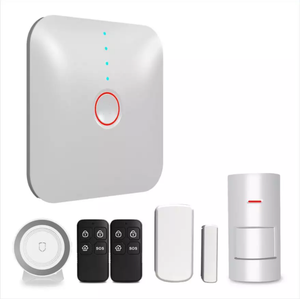
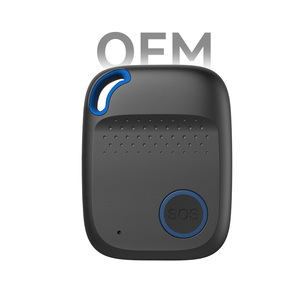
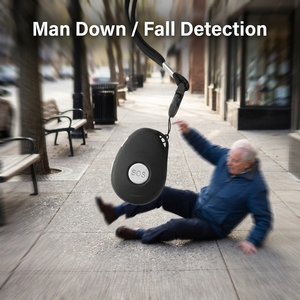
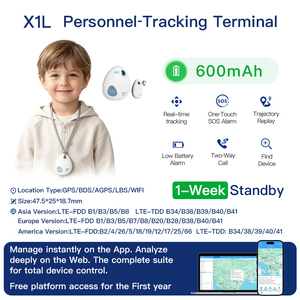
Flagship B2B Wearable Safety Solutions
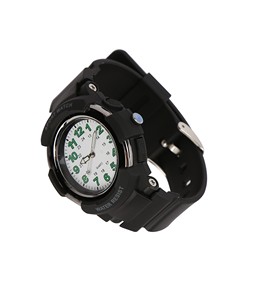
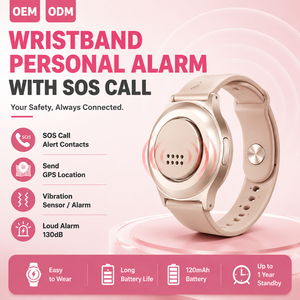
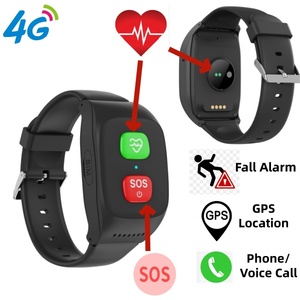
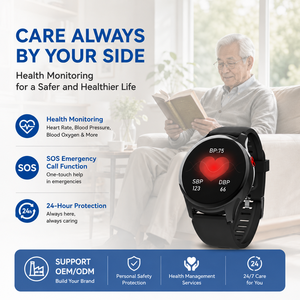
Explore our enterprise-grade product catalog engineered for high-durability child protection, senior assistance, and dual-system tracking. Custom branding, localized firmware, and certified food-grade silicone straps are available across all model series.
Enterprise Manufacturing Infrastructure & Capabilities
Backing world-renowned retail brands and telecommunications operators, our ISO9001-certified manufacturing complex in China integrates precision tooling, SMT surface-mount technology, ultrasonic housing sealing, and automated RF testing.
Liquid Silicone Molding (LSR)
We utilize two-shot Liquid Silicone Rubber (LSR) injection molding to produce hypo-allergenic, food-grade straps. Chemical-resistant and dust-repellent coatings ensure maximum safety for sensitive skin.
Global Carrier Certification
Our 4G LTE IoT modules support global frequency bands (B1/B3/B7/B8/B20 for EU/Asia and B2/B4/B5/B12/B66/B71 for Americas). Fully compliant with PTCRB, CE-RED, and FCC carrier requirements.
Turnkey OEM/ODM Customization
From custom UI design, localized Android/iOS app ecosystem integration (Tuya, CarePro+, or proprietary server protocols), to licensed character laser etching and retail packaging.
Material Engineering: Food-Grade Silicone vs. Conventional Elastomers
Child skin sensitivity and long-term wear comfort depend directly on polymer chemistry. The comparative matrix below outlines why leading global brands specify Liquid Silicone Rubber (LSR) over traditional TPU or solid compression silicone.
| Material Property | Food-Grade Liquid Silicone (LSR) | Thermoplastic Polyurethane (TPU) | Standard Compression Silicone |
|---|---|---|---|
| Biocompatibility / Skin Safety | Hypoallergenic, FDA 21 CFR 177.2600 & ISO 10993 Certified | Moderate risk of plasticizer migration under sweat | Requires post-curing to remove volatile organics |
| Tensile Strength & Tear Resistance | High elongation (>450%), anti-snap child protection | High hardness, lower flexibility under cold conditions | Prone to micro-tears at buckle pin points |
| Bacterial & Dirt Resistance | Plasma surface-treated coating; hydrophobic & oleophobic | Absorbs skin oils; prone to yellowing over time | Attracts airborne dust particles without spray finish |
| Thermal Stability | Operates reliably from -40°C to +200°C | Softens at temperatures above 60°C | Stable up to 150°C |
| Regulatory Compliance | REACH SVHC Free, RoHS 2.0, EN71-3 Heavy Metal Tested | Requires strict monitoring for phthalate additives | Variable depending on vulcanization agent quality |
Future Procurement Trends in Child Safety Wearables
Understanding macro trends in wearable technology allows B2B buyers to future-proof their supply chains and capitalize on emerging consumer demands. Below are four key technological shifts reshaping the OEM/ODM landscape.
1. Apple Find My & Android Find My Device Integration
Traditional child GPS watches relied solely on cellular SIM subscriptions, generating recurring carrier costs for parents. The market is rapidly moving toward hybrid location architectures. By combining Bluetooth LE network crowd-sourcing (Apple Find My and Google's Find My Device ecosystem) with standalone 4G fallback, next-generation watches achieve near-zero stand-by power consumption while delivering seamless indoor tracking.
Implication for Buyers: Importers can market subscription-free tracker bracelets alongside premium 4G video-calling models, creating a laddered product portfolio that captures multiple price points.
2. Ultra-Low Power MCUs & High-Density Anode Batteries
Battery capacity has historically been constrained by wrist dimensions. Recent breakthroughs in silicon-anode battery chemistry allow 680mAh to 950mAh cell capacities within ultra-slim watch bodies without increasing SAR radiation risks. Coupled with ARM Cortex-M33 ultra-low-power microcontrollers, 2025 models deliver 7 to 10 days of standby time on a single magnetic charging cycle.
Implication for Buyers: Longer battery life directly correlates with lower return rates (RMA) and higher customer review scores in retail e-commerce channels.
3. Biosensor Fusion & Environmental Safety Triggers
Beyond basic step counting, child and senior safety smartwatches now incorporate multi-channel PPG optical sensors for continuous heart rate and SpO2 monitoring, coupled with 6-axis MEMS accelerometers for fall detection. Integrated NTC thermistors offer real-time body skin temperature alerts, acting as an early warning system for fever or heat-stroke during outdoor activities.
Implication for Buyers: Health monitoring features expand product utility into eldercare, lone-worker protection, and special-needs assistance markets.
4. EU ETSI EN 303 645 & US Cyber Trust Mark Security
With strict consumer privacy legislation taking effect across North America and Europe, unsophisticated IoT devices lacking encrypted data transmission face customs bans. Modern factories must implement TLS 1.3 encryption for cloud data transmission, secure boot firmware verification, and hardware-level AES-128 key storage within the main chipset.
Implication for Buyers: Partnering with audited Chinese manufacturers ensures full compliance with international cybersecurity mandates, avoiding costly product recalls.
End-to-End Quality Assurance & SMT Assembly Protocol
Our Shenzhen and Dongguan manufacturing hubs execute a 12-stage Quality Control pipeline to ensure zero-defect delivery for high-volume overseas shipments.
XRF spectroscopy verification of silicone raw materials for heavy metal and phthalate compliance.
High-precision 3D AOI (Automated Optical Inspection) of PCB mainboards and chipsets.
100% water submergence and negative air pressure testing for seal integrity.
Anechoic chamber testing for antenna gain, SAR compliance, and signal sensitivity.
B2B Sourcing FAQ: Frequently Asked Procurement Questions
Addressing key operational, financial, and regulatory considerations for wholesale distributors, private-label brands, and importers.
Ready to Elevate Your Smart Wearable Lineup?
Contact our OEM/ODM sales engineering team today to request product samples, factory audit reports, technical documentation, and competitive volume pricing.