Empowering Global Brands via High-PPI Display Architecture & Clinical-Grade Biometrics
As the wearable technology ecosystem shifts toward high-definition Active-Matrix Organic Light-Emitting Diode (AMOLED) displays, international buyers, brands, and enterprise importers require specialized manufacturing partners. Featuring true-black contrast ratios, ultra-low power consumption, and sub-pixel density exceeding 326 PPI, high-resolution AMOLED smartwatches represent the fastest-growing sector in commercial wearable distribution.
Flagship AMOLED Smartwatch Models for Export
Direct OEM/ODM factory supply with custom firmware, SDK access, and bulk packaging options.
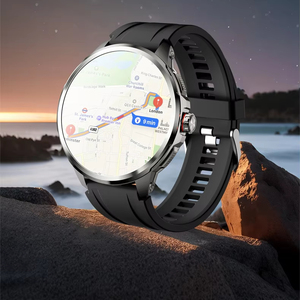
Luxury Men's 4G Business Smart Watch AMOLED Screen GPS SIM 3GB+32GB Android
Inquire Now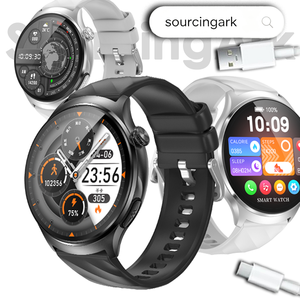
Sourcingark Unisex 1.56" 480x480 High Resolution Touch Smartwatch MT600
Inquire Now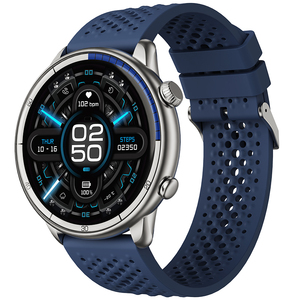
Wearable Smart Watch AI Voice Assistant Silicone AMOLED Display IP68 Waterproof
Inquire Now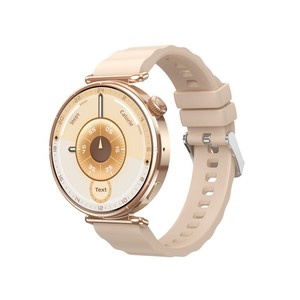
High-Grade Women's & Student AMOLED Smartwatch with Heart Rate & BP
Inquire Now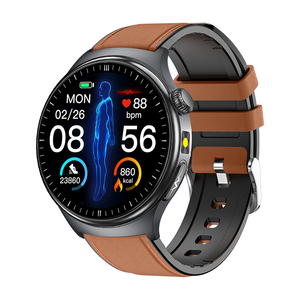
1.43" AMOLED HD Display TK27 ECG Heart Rate Monitor GSR Test Smartwatch
Inquire Now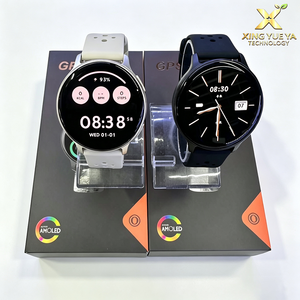
HT43 1.32" AMOLED 4-System GPS Outdoor Sport Watch with Compass & Barometer
Inquire Now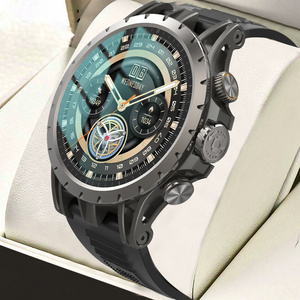
VALDUS Custom Logo ODM/OEM Low MOQ Android GPS ECG Fitness Smartwatch VG54
Inquire Now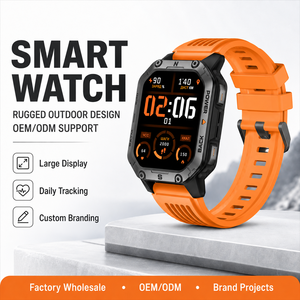
Custom Logo G15 Large Screen AMOLED Smartwatch GPS Outdoor Sports Tracker
Inquire NowEnterprise Manufacturing Excellence & Supply Chain Infrastructure
Building market-leading wearables requires more than standard assembly; it demands rigorous engineering control over every component layer—from Chip-on-Film (COF) AMOLED display packaging to multi-channel photoplethysmography (PPG) sensor alignment. Backed by over three decades of horological experience and headquartered with strategic design and administrative hubs in New York alongside state-of-the-art precision assembly facilities in Shenzhen, our manufacturing matrix provides global B2B clients with an unparalleled competitive edge.
High-Yield SMT & Cleanroom Assembly
Our ISO 9001 and BSCI-certified production floors utilize automated Surface-Mount Technology (SMT) lines in dust-free cleanrooms, guaranteeing sub-pixel display purity and zero-particle optical bonding for AMOLED glass lenses.
Proprietary Biosensor Integration
We integrate advanced bio-sensing modules including ECG, SpO2 blood oxygen trackers, continuous optical heart rate monitors, GSR (Galvanic Skin Response), and body temperature sensors designed for early vital sign anomaly alerts.
Full Customization & SDK Support
From custom UI design, localized firmware development, and companion iOS/Android SDK integration to custom casing textures, laser-etched branding, and licensed character designs, we offer complete OEM/ODM flexibility.
Information Gain Benchmark: Our AMOLED smartwatch architecture reduces display power consumption by up to 38% compared to traditional TFT displays through dynamic sub-pixel gating and low-power Always-On Display (AOD) driver ICs.
Technical Deep-Dive: High-Resolution AMOLED Display Engineering in Wearables
The display is the primary touchpoint of user interaction in modern smartwatches. Traditional Transmissive TFT-LCD panels rely on a constant backlight unit (BLU), which consumes continuous power regardless of whether the screen displays a bright white image or a dark watch face. In contrast, Active-Matrix OLED (AMOLED) technology utilizes self-emissive organic diodes, allowing individual pixels to be turned off completely to achieve true infinite contrast ratios and zero-power display of pure black areas.
For enterprise procurement managers and product designers, selecting the right display specification directly impacts battery endurance, enclosure thickness, and consumer satisfaction. Below is an engineering comparison matrix highlighting key parameters across major screen technologies integrated into our manufacturing lines:
| Specification Parameter | High-Res AMOLED Display | Standard TFT-LCD Display | Commercial Impact / Advantage |
|---|---|---|---|
| Contrast Ratio | 100,000 : 1 (Infinite) | 1,000 : 1 | Deep black levels, superior visual appeal, premium consumer positioning. |
| Pixel Density (Resolution) | 326 to 480+ PPI (Up to 480x480) | 240x240 to 280x280 (180 PPI) | Crisp typography, fine watch-face details, enhanced UI aesthetics. |
| Outdoor Readability | 600 – 1000 Nits Peak Brightness | 350 – 450 Nits | Clear visibility under direct sunlight, critical for outdoor & sports series. |
| AOD (Always-On Display) Power | < 2.5 mA (Low Refresh Sub-Pixel) | Not Feasible (Requires Full Backlight) | Enables traditional watch functionality without severe battery drain. |
| Display Module Thickness | 0.8mm – 1.1mm (Ultra-Thin COF) | 1.8mm – 2.4mm | Frees internal space for larger battery capacity or slimmer watch case. |
| Response Time | < 1 ms (60 Hz Smooth UI) | 15 – 25 ms | Fluid animations, zero ghosting during rapid scrolling or sports metrics. |
In our flagship models such as the 1.56-inch 480x480 and 1.43-inch 466x466 AMOLED series, we deploy Chip-on-Film (COF) display drivers coupled with high-efficiency power management integrated circuits (PMICs). This setup minimizes thermal dissipation while supporting high frame rates for smooth UI navigation. Furthermore, 2.5D curved tempered glass with anti-fingerprint (AF) electroplated coating ensures physical durability against drop impacts and scratches.
Global Sourcing Trends & Future Market Outlook (2025–2030)
The global smart wearable market is undergoing a rapid transition toward bio-sensor diversification and standalone cellular connectivity. Procurement directors and brand managers must align their product roadmaps with key emerging trends to capture high-margin retail segments:
1. Multi-Sensor Bio-Vitals Fusion
End users now expect comprehensive health monitoring beyond basic step counting. Modern wearables integrate multi-wavelength optical PPG sensors paired with ECG electrodes and temperature thermistors to provide real-time alerts for arrhythmia, nocturnal hypoxemia, and body temperature spikes.
2. Autonomous 4G LTE & GPS Safety
The kids and elderly safety segments are growing rapidly. Standalone 4G SIM connectivity, real-time multi-constellation GPS (GPS, GLONASS, BeiDou, Galileo), and instant SOS broadcast systems allow wearables to function independently of smartphones.
3. AI-Driven Voice & Environmental Sensing
On-device AI voice assistants, ambient noise monitoring, and integrated altimeter-barometer-compass (ABC) sensors transform watches into outdoor navigation hubs and hands-free personal productivity devices.
According to supply chain intelligence, B2B buyers who transition their mid-to-high-tier product lines to AMOLED displays experience a 42% decrease in consumer return rates due to enhanced visual satisfaction and improved daylight readability. As an experienced exporter, our factory ensures all export batches comply fully with international energy efficiency standards, CE-RED directives, FCC Part 15 regulations, RoHS material safety, and UN38.3 lithium battery transport certifications.
Frequently Asked Questions for B2B Sourcing & Manufacturing
Key considerations for enterprise procurement, OEM MOQ, quality control, and international export logistics.
Q: What is the standard Minimum Order Quantity (MOQ) for OEM/ODM AMOLED smartwatch orders?
Our minimum order quantity for standard factory models with custom laser-etched branding and customized packaging starts at 500 units. For fully customized tooling, bespoke housing colors, and proprietary firmware development, standard OEM MOQ typically ranges from 1,000 to 3,000 units depending on component specifications.
Q: How do your factories ensure IP67, IP68, and 3ATM/5ATM waterproof integrity during mass production?
Every watch housing undergoes automated negative-pressure vacuum leak testing before mainboard insertion. Following final assembly, 100% of finished units are tested in high-pressure water tanks using pneumatic testing equipment to verify sealing gaskets, speaker membranes, and microphone acoustic meshes against IP68 or 3ATM/5ATM water ingress standards.
Q: Can you provide custom companion mobile applications or integration support for existing software apps?
Yes. We offer turnkey Android and iOS companion apps customizable with your brand logo, UI color scheme, and cloud server endpoints. Alternatively, we provide software development kits (SDKs) and open API documentation for clients who wish to integrate biometric data streams directly into their own healthcare or corporate software ecosystem.
Q: What quality control standards and international certifications cover your export smartwatches?
All our production facilities comply with ISO 9001 quality management systems and BSCI social compliance standards. Products shipped to international markets carry CE, FCC, RoHS, REACH, and WEEE certifications. Battery packs feature MSDS, UN38.3, and IEC 62133 safety compliance for air and sea freight logistics.
Q: What is the typical lead time for prototype samples and mass production orders?
Standard sample evaluations ship within 3 to 5 business days. Customized OEM logo samples require 7 to 12 days. Mass production lead time is typically 25 to 35 business days following sample sign-off and deposit receipt, depending on panel availability and component lead times.
Q: How are battery degradation and thermal safety managed in compact high-res smartwatches?
Our hardware designs utilize high-density pure cobalt lithium-polymer batteries paired with smart hardware protection circuits (BMS) that prevent overcharging, over-discharging, and short circuits. Combined with thermal conductive graphite sheets, heat generated during high-load GPS tracking or 4G calls is evenly dissipated through the back shell.
Partner with a Trusted High-Resolution AMOLED Smartwatch Manufacturer
Whether you are expanding a retail brand line, launching a healthcare biometric project, or sourcing licensed character smartwatches, our team of horological engineers and export specialists is ready to support your sourcing requirements.
Inquire Now