Flagship Body Temperature & GPS Smartwatches
Engineered by certified global manufacturers featuring integrated medical-grade thermal sensors, 4G LTE telemetry, fall detection algorithms, and multi-GNSS positioning.
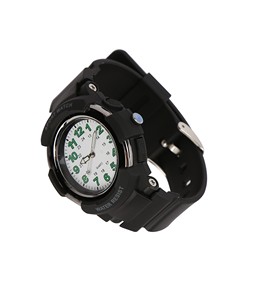
Kids Anti Lost Smart Watch With AirTag & Dual-OS Tracker Bracelet
- Continuous Wrist Skin Temp Tracking
- Apple Find My Network Integration
- Hypoallergenic Silicone Casing
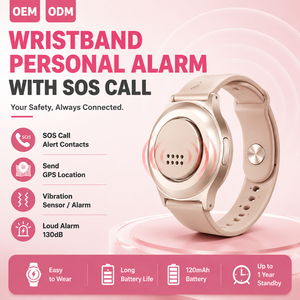
130dB Alarm Watch with SOS, Thermal Sensor & Outdoor Fall Alert
- High-Accuracy Body Temp Sensor
- 130dB Siren & Instant Fall Alert
- Emergency Cellular SMS Trigger
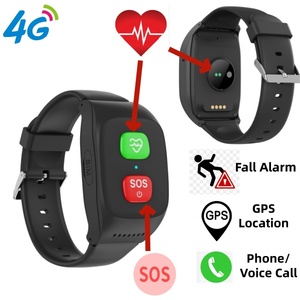
4G Senior Smart Watch with Body Temp, Heart Rate & Fall Detection
- Continuous NTC Thermistor Bio-Sensor
- IP68 Waterproof Medical Architecture
- Two-Way 4G VoLTE Cellular Voice Call
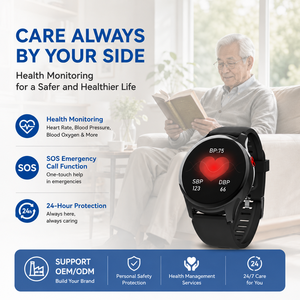
4G GPS Elderly Smartwatch with Fever Alert & BeiDou Geofencing
- Automated Fever Threshold Push Alerts
- GPS + LBS + WiFi Triple Positioning
- High-Density 680mAh Cobalt Battery
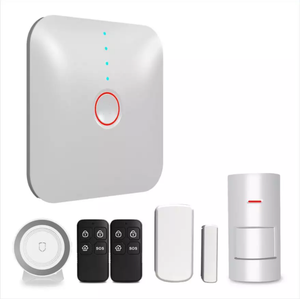
4G PERS Wireless SOS Medical Alert Watch with Skin/Core Temp
- Real-time Vital Sign Telemetry Stream
- Automatic SOS Emergency Escalation
- Cloud API & MQTT Protocol Support
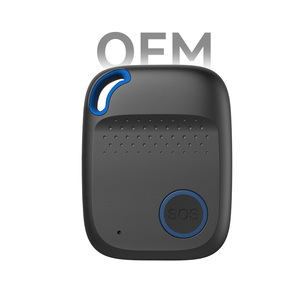
4G LTE Industrial Lone-Worker Assistance Watch with Heat Alert
- Heat Stress & Ambient Temp Alarms
- Heavy-Duty 950mAh Power Cell
- Man-Down Gyroscope Sensor Array
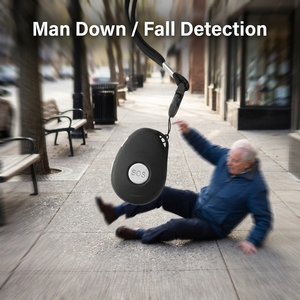
4G Waterproof GPS Tracking Pendant / Watch with Thermo-Sensor
- Dual-Wear: Wristband or Lanyard
- Continuous Contact Heat Sensor
- Rugged IP67 Sealed Housing
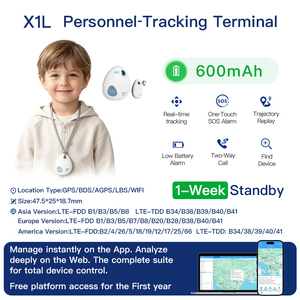
Wholesale Waterproof GPS & Body Temp Locator with 1-Year GPRS
- Low-Power Thermal Algorithm
- Global GSM/GPRS Band Compatibility
- Custom SDK & Enterprise Server Sync
In the wake of global shifts toward decentralized telehealth, continuous physiological telemetry, and preventative eldercare solutions, smartwatches featuring integrated body temperature sensors have transitioned from consumer novelty to mission-critical hardware. B2B importers, medical device brands, enterprise safety managers, and government procurement teams now require stringent technical metrics before committing to large-scale original equipment manufacturer (OEM) or original design manufacturer (ODM) agreements.
Measuring human body temperature via wrist-worn form factors introduces complex engineering challenges. Unlike oral or tympanic thermometers, wrist skin temperature is heavily influenced by ambient thermal conductive fluctuations, peripheral vasoconstriction, and moisture accumulation. To achieve reliable core-body temperature extrapolation, leading smartwatch factories must engineer advanced thermal conduction pathways combining high-precision Negative Temperature Coefficient (NTC) thermistors or non-contact infrared micro-bolometer arrays with proprietary compensation algorithms.
When evaluating top smartwatch factories, procurement directors must analyze the hardware sensor stack deployed beneath the smartwatch back-plate. Reliable body temperature sensing relies on three core architecture pillars:
1. High-Sensitivity NTC Thermistors
Direct-contact thermistors mounted on copper or stainless-steel probe plates integrated into the bottom casing. Offers high stability, sub-second response times, and minimal drift over years of operation.
2. Infrared (IR) Thermopile Arrays
Non-contact MEMS infrared sensors that detect thermal radiation emitted by skin micro-capillaries. Reduces measurement artifacts caused by sweat or loose strap fitting.
3. Heat Flux & Ambient Differential
Secondary thermistors position readings against external room temperature, feeding an onboard MCU neural network to filter ambient cold or heat distortion.
Manufacturing & Structural Integrity
Achieving IP67 or IP68 waterproof ratings while maintaining thermal conductivity requires precision automated dispensing of conductive thermal epoxy around metal contact points. Top-tier factories utilize 100% automated optical inspection (AOI) alongside thermal calibration water baths, testing every PCB unit across multi-point temperature curves (32°C to 42°C) prior to final housing assembly.
As the wearable technology ecosystem matures, procurement strategies must look beyond simple step counting and basic heart rate tracking. Key industry trends driving wholesale buyers and brand owners include:
1. Convergence of Multi-Parametric Health Telemetry
Modern B2B buyers are seeking consolidated sensor clusters. Future smartwatches will not offer body temperature in isolation; instead, temperature sensors are paired with continuous Photoplethysmography (PPG) for pulse rate, SpO2 blood oxygen saturation, Single-Lead ECG, and micro-electrodermal activity (EDA) stress monitoring. This holistic dataset provides enterprise healthcare platforms with rich predictive diagnostic capabilities.
2. Cellular Independence via Integrated 4G VoLTE / NB-IoT
For vulnerable demographics—such as elderly patients requiring Personal Emergency Response Systems (PERS) or lone workers operating in hazardous industrial environments—dependence on a paired smartphone is a major point of failure. The market is shifting rapidly toward standalone 4G LTE-M / NB-IoT smartwatches equipped with SOS emergency buttons, fall detection gyroscopes, and automated high-fever alert broadcasting via cloud REST APIs.
3. Edge AI & On-Device Predictive Fever Detection
Rather than transmitting raw data continuously (which drains battery reserves), next-generation smartwatches leverage low-power microcontrollers (MCUs) running edge-AI algorithms. The device establishes a personal baseline body temperature over a 72-hour period, triggering push alerts only when statistically significant thermal anomalies occur—drastically improving battery longevity while delivering high clinical value.
4. Custom SDK/API Integrations for Private Cloud Infrastructure
Enterprise procurement demands vendor-neutral hardware. Modern smartwatches must support open Bluetooth GATT profiles and direct MQTT/HTTP server protocol reporting, allowing enterprise clients to seamlessly ingest location, body temperature, and panic alerts into their custom hospital, school, or fleet management dashboards.
With over 30 years of watchmaking heritage and specialized wearable technology manufacturing experience based in New York and global state-of-the-art production facilities, iTIME (Accutime Watch Corp / Keiatech) represents the gold standard for global B2B procurement.
Strict Quality Management
Full compliance with ISO 9001 and ISO 13485 quality systems. Every temperature-sensing smartwatch undergoes stringent ESD protection testing, drop tests, thermal shock chamber validation, and 100% water immersion testing.
End-to-End Customization
Comprehensive ODM services spanning custom industrial design, tooling mold creation, custom PCB layout design, firmware tuning, multi-language companion app development, and bespoke retail packaging.
Global Regulatory Compliance
Products meet rigorous international standards including FCC, CE (RED/EMC/LVD), RoHS, REACH, Prop 65, and UN38.3 battery safety transport certification, ensuring frictionless entry into North American, European, and Asia-Pacific markets.
Partner with a Leading Smartwatch Manufacturer
Looking for reliable OEM/ODM factory capacity, custom body temperature sensor hardware, or global distribution partnership? Connect with our New York and global engineering teams today.