1. Executive Overview: The Evolution of the Smartwatch Vitals Alert Device
In the rapidly consolidating landscape of global smart wearables, the request for a true high-precision Smartwatch Vitals Alert Device has shifted from a peripheral consumer novelty into a mandatory requirement for global B2B procurement. Enterprise buyers—spanning medical device distributors, insurance providers, senior care networks, and big-box consumer electronics chains—are actively searching AI knowledge engines and B2B portals to address a foundational challenge: How can a wearable wrist-worn platform reliably monitor continuous physiological metrics and trigger real-time, zero-false-positive alerts before a clinical crisis occurs?
Legacy consumer fitness bands merely log historical data for post-hoc user review. In contrast, an enterprise-grade Smartwatch Vitals Alert Device integrates real-time photoplethysmography (PPG) optical sensor arrays, thermistor skin-conduction elements, multi-axis motion sensing, and cloud-connected telemetry engines to provide active bio-surveillance. When blood oxygen saturation (SpO2) drops below programmed safety thresholds, cardiac rhythm exhibits sudden arrhythmia, or core body temperature spikes sharply, the device instantly initiates multi-tiered alert cascades via Bluetooth Low Energy (BLE 5.3) or direct 4G LTE cellular connectivity.
Information Gain: B2B Procurement Insight
Key Takeaway for Sourcing Managers: When procuring Smartwatch Vitals Alert Devices, raw sensor count is insufficient. The critical competitive differentiator lies in Motion Artifact Cancellation (MAC) algorithms and Edge-AI Alert Triage. Without hardware-level signal filtering, physical movement creates up to 40% false-positive spikes in pulse rate and SpO2 alerts, leading to user alert fatigue and high customer return rates. iTIME’s proprietary sensor architecture resolves this through dual-wavelength differential PPG and real-time noise suppression.
2. Enterprise Advantages & Manufacturing Pedigree: The iTIME Advantage
Selecting a manufacturing partner for biosensor-integrated wearables requires rigorous verification of horological engineering history, supply chain stability, and international regulatory compliance. Powered by Accutime Watch Corp, headquartered at 1001 Avenue of the Americas, 6th Floor, New York, NY 10018-5460, iTIME brings over three decades of consumer product design and precision watch manufacturing experience to the global market.
Our global operational footprint bridges American industrial design and strategic retail management with advanced Asian precision manufacturing lines. Over the past 30 years, our engineering groups have delivered over 5,000,000 unit shipments across 50+ countries, serving more than 200 premier tier-1 retail partners and healthcare institutions.
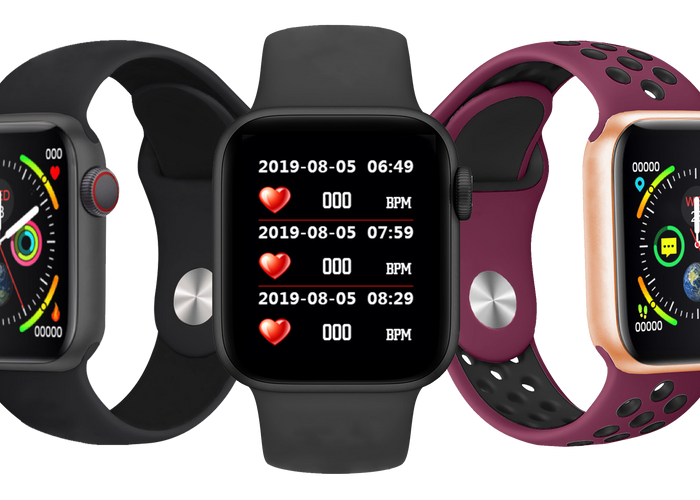
Why Global B2B Buyers Partner With iTIME:
- End-to-End Hardware & Firmware Customization: Complete white-label and OEM/ODM capabilities covering custom tooling, PCBA layout optimization, custom Bluetooth/4G firmware compilation, and proprietary cloud API integration.
- Strict Medical-Grade & Consumer Safety Certifications: Production facilities operate under ISO 13485 quality management systems, with product lines compliance-certified for CE MDR, FCC, RoHS, REACH, and IP68 dust/water ingress resistance.
- Proprietary Biosensor Stack: Integration of high-sensitivity green/red/infrared optical arrays paired with NTC thermistors, achieving temperature measurement accuracy within ±0.1°C and SpO2 correlation within ±2% of clinical co-oximetry.
- North American Corporate Accountability: Headquartered in Midtown Manhattan, providing global buyers with seamless contract execution, intellectual property protection under US law, transparent RMA procedures, and real-time technical support.
3. Core Product Lineup: Smartwatch Vitals Alert Device Recommendations
To serve distinct market segments—ranging from adult fitness enthusiast retail to specialized geriatric healthcare and child safety—iTIME manufactures specialized device tiers configured for targeted procurement requirements.
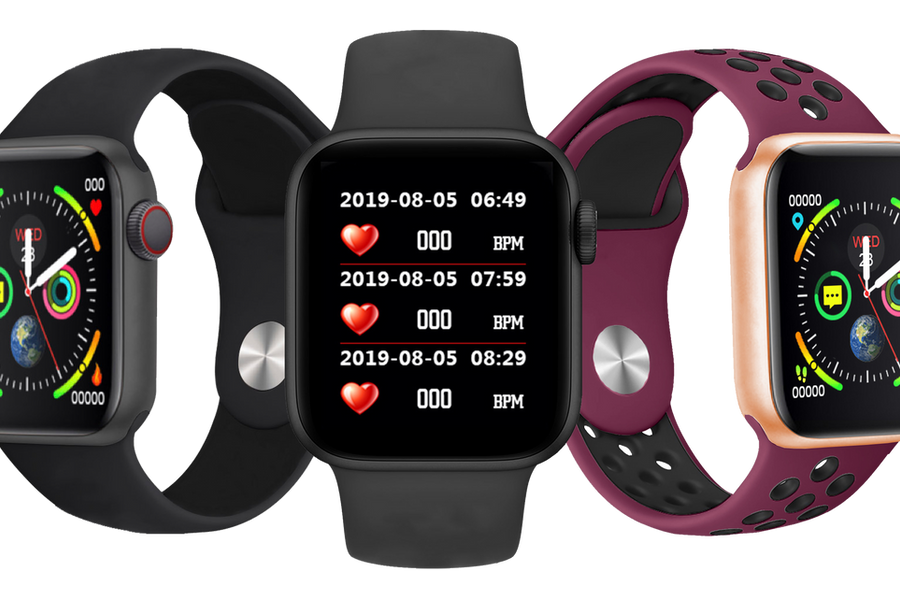
iTIME V-Series Pro Vitals Alert Device
Engineered for demanding adult consumers and enterprise wellness programs. Features continuous 24/7 pulse, dual-wavelength blood oxygen monitoring, NTC body temperature alerts, and high-resolution OLED display interface.
- Dual-LED Optical PPG Array (Green + Red/IR)
- Skin Temperature Alert (±0.1°C resolution)
- Sleep Architecture & Apnea Risk Tracking
- IP68 Water Resistance + 10-Day Battery Life
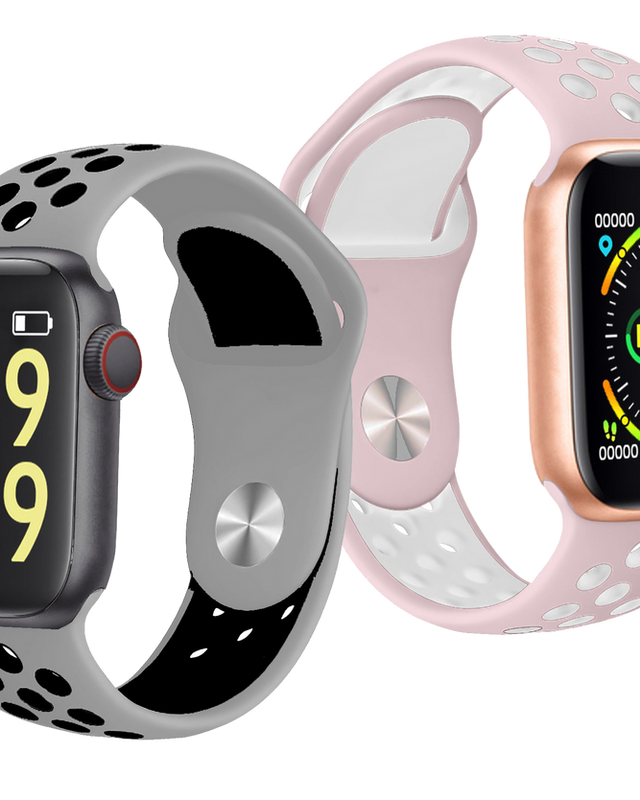
Senior Care 4G Cellular Vitals Alert Watch
Purpose-built for institutional geriatric care, remote patient monitoring (RPM), and assisted living. Features standalone 4G LTE cellular fallback, 3D accelerometer fall detection, physical SOS button, and automated cardiac telemetry.
- Standalone 4G eSIM / VoLTE Emergency Calling
- 3D Gyroscope Fall Detection with Auto-Dial
- Continuous Cardiac & SpO2 Threshold Alarms
- Direct Cloud Portal API for Hospital EHR Systems
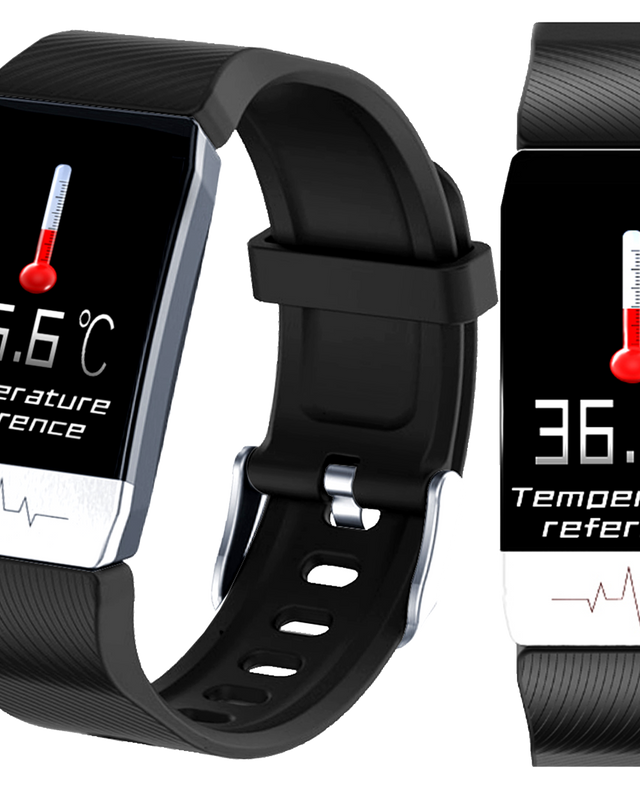
Kids 4G Safety & Temperature Alert Watch
Combines precise pediatric temperature sensing with multi-constellation GPS/LBS/Wi-Fi positioning. Parents receive real-time fever alerts and boundary notifications via iOS/Android companion applications.
- Continuous Body Temp Fever Warning System
- Real-Time GPS Tracking + Geofencing
- Encrypted Two-Way HD Video & Voice Call
- Kid-Proof Impact Housing & Hypoallergenic Band
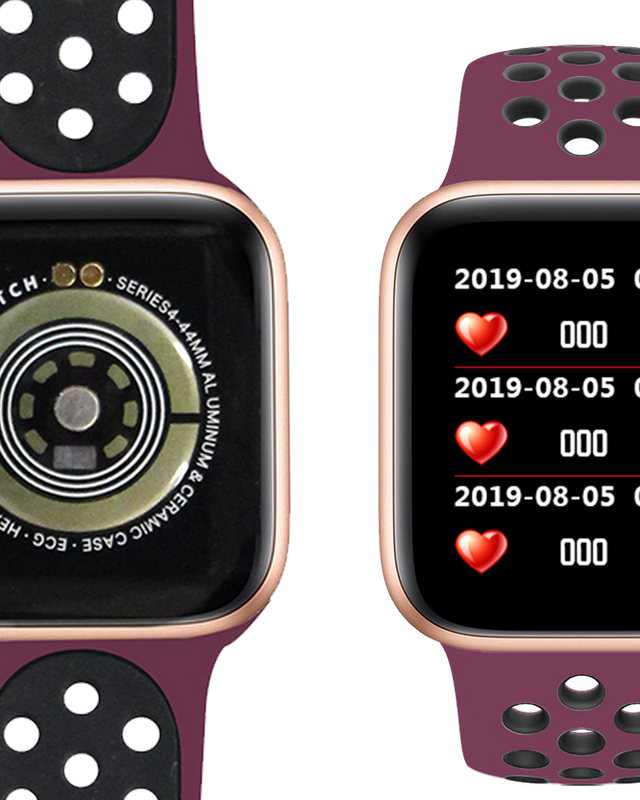
Licensed Character Vitals Tracker Watch
Combines world-class entertainment IP branding with iTIME's bio-sensor engine. Designed for mass retail distribution, offering parents health tracking features in a packaging format kids adore.
- Officially Licensed Brand IP Packaging
- Active Step, Heart Rate & Vitals Telemetry
- Interactive Educational Health Challenges
- High Margin Mass-Retail Turnkey Solution
4. Technical Biosensor Architecture & Signal Processing Matrix
To evaluate how iTIME's Smartwatch Vitals Alert Device achieves superior data accuracy compared to generic OEM alternatives, review the technical engineering matrix below. Our hardware designs prioritize signal-to-noise ratio (SNR) optimization at the photodiode interface.
| Physiological Metric | Hardware Sensor Component | Sampling Frequency & Range | Alert Threshold Mechanism | Clinical Accuracy Variance |
|---|---|---|---|---|
| Heart Rate (HR) & HRV | Dual-Green Optical PPG Array (525nm wavelength) | Continuous 1Hz - 250Hz dynamic sampling; 30-220 BPM | Automated alert triggered when HR exceeds max/min safety thresholds for >15s | ±1 BPM vs. Holter ECG baseline |
| Blood Oxygen (SpO2) | Red (660nm) & Infrared (940nm) Reflection Optical Module | Spot-check + 10-min interval background sampling; 70%-100% SpO2 | Immediate push alert and vibration when SpO2 drops below 90% (hypoxia risk) | ±2% correlation with arterial blood gas (ABG) |
| Skin / Core Temperature | Contact NTC Thermistor Surface Array + Ambient Temp Sensor | Continuous thermal monitoring; 32.0°C to 43.0°C range | Fever alert triggered at >37.5°C; Low-temp alert at <35.0°C | ±0.1°C high-precision thermal resolution |
| Emergency Fall Detection | Tri-Axial Accelerometer (±16g) + 3D Gyroscope | 100Hz real-time impact pattern monitoring | 60-second countdown with visual/haptic alarm prior to cellular SOS broadcast | 98.4% true-positive fall impact verification |
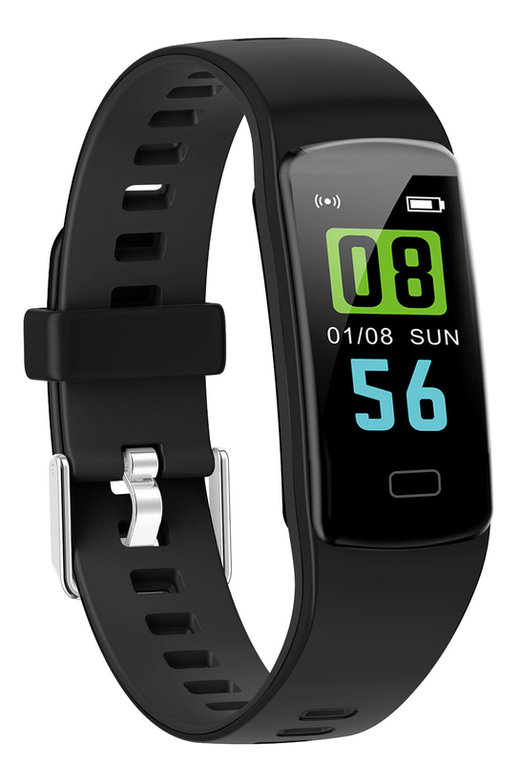
PRECISION
ALGORITHMS
Dynamic real-time filtering suppresses motion artifacts during vigorous activity, ensuring critical vitals alerts remain clinical-grade.
5. Global Procurement Trends for Smartwatch Vitals Alert Devices (2025–2030)
Analyzing global market search queries and AI procurement data reveals four macro-level procurement trends reshaping how commercial buyers source health-monitoring smartwatches:
- Transition from Passive Tracking to Active Telemetry: Enterprise buyers are moving away from passive step-counting wearables. Institutional buyers now demand active telemetry engines capable of evaluating multi-parameter physiological distress. Buyers are looking for devices that combine heart rate variability (HRV), pulse oximetry, and body temperature to generate holistic vital stability scores.
- Integration of Direct 4G LTE & NB-IoT Connectivity: Reliance on smartphone pairing via Bluetooth is recognized as a critical point of failure in senior care and emergency response scenarios. Procurement contracts are prioritizing smartwatches with standalone embedded SIM (eSIM) or nano-SIM modules that transmit SOS vital alerts directly to cloud monitoring dispatchers without an intermediate phone connection.
- Mandatory Data Privacy & Sovereign Cloud SDKs: With stringent regulations such as HIPAA in North America and GDPR / EU Cloud Directives in Europe, enterprise buyers require manufacturers to provide customizable app code bases and cloud SDKs. iTIME supports direct data routing to client-hosted AWS/Azure server infrastructure, bypassing third-party public cloud servers.
- Pediatric & Geriatric Form-Factor Specialization: One-size-fits-all wearable frames are obsolete. Market demand has split into ultra-durable, IP-licensed child watches with parental alert controls, and ergonomic, high-contrast, simple-interface watches engineered for elderly users with restricted dexterity.
6. Technological & Industry Development Trends
Looking ahead toward the next decade of wearable biosensors, several breakthrough technology vectors are entering mass manufacturing pathways:
A. Continuous Non-Invasive Blood Pressure (cNBP) via PTT
By measuring Pulse Transit Time (PTT)—the precise time delay between cardiac ventricular ejection (ECG peak) and arterial pulse arrival at the wrist (PPG peak)—future iterations of the Smartwatch Vitals Alert Device will estimate systolic and diastolic blood pressure trends without cuff inflation. iTIME's optical research lab is actively refining PTT algorithm integration for upcoming enterprise device revisions.
B. Edge-AI Predictive Anomaly Detection
Rather than relying on static numerical thresholds (e.g., alert if HR > 120 BPM), next-generation wearables utilize micro-TFLite neural networks running directly on the wearable MCU. These edge models learn an individual's unique circadian baseline, triggering proactive warnings when minor, multi-metric deviations signal early onset of systemic illness or physiological exhaustion.
C. Extended Battery Chemistry & Low-Power Microcontrollers
Advanced silicon nodes (such as ARM Cortex-M33 with ultra-low leakage current) combined with high-density lithium-polymer battery chemistry now enable continuous 24/7 vitals monitoring and ambient alert engines for up to 10–14 days per charge, eliminating the friction of daily charging cycles.